What Is the Difference Between Incoming and Outgoing Calls?
What Is the Difference Between Incoming and Outgoing Calls?Incoming and outgoing
Becke Telcom
What Is the Difference Between Incoming and Outgoing Calls?
Incoming and outgoing calls are two basic terms in telephony, but in business communication they mean more than simply “calls you receive” and “calls you make.” These terms affect how PBX systems route calls, how VoIP platforms apply dialing rules, how contact centers measure performance, and how organizations understand customer service, sales activity, dispatch coordination, and telecom costs.
In simple terms, an incoming call is a call received by a person, extension, team, or phone system. An outgoing call is a call initiated by a person, extension, operator, or communication platform. The difference sounds straightforward, but the system logic behind each call type is different. Inbound calls focus on access and response. Outbound calls focus on initiation, delivery, and control.
Understanding this distinction helps businesses design clearer call flows, read call reports correctly, configure SIP trunks and gateways more accurately, and manage communication workflows with fewer misunderstandings.
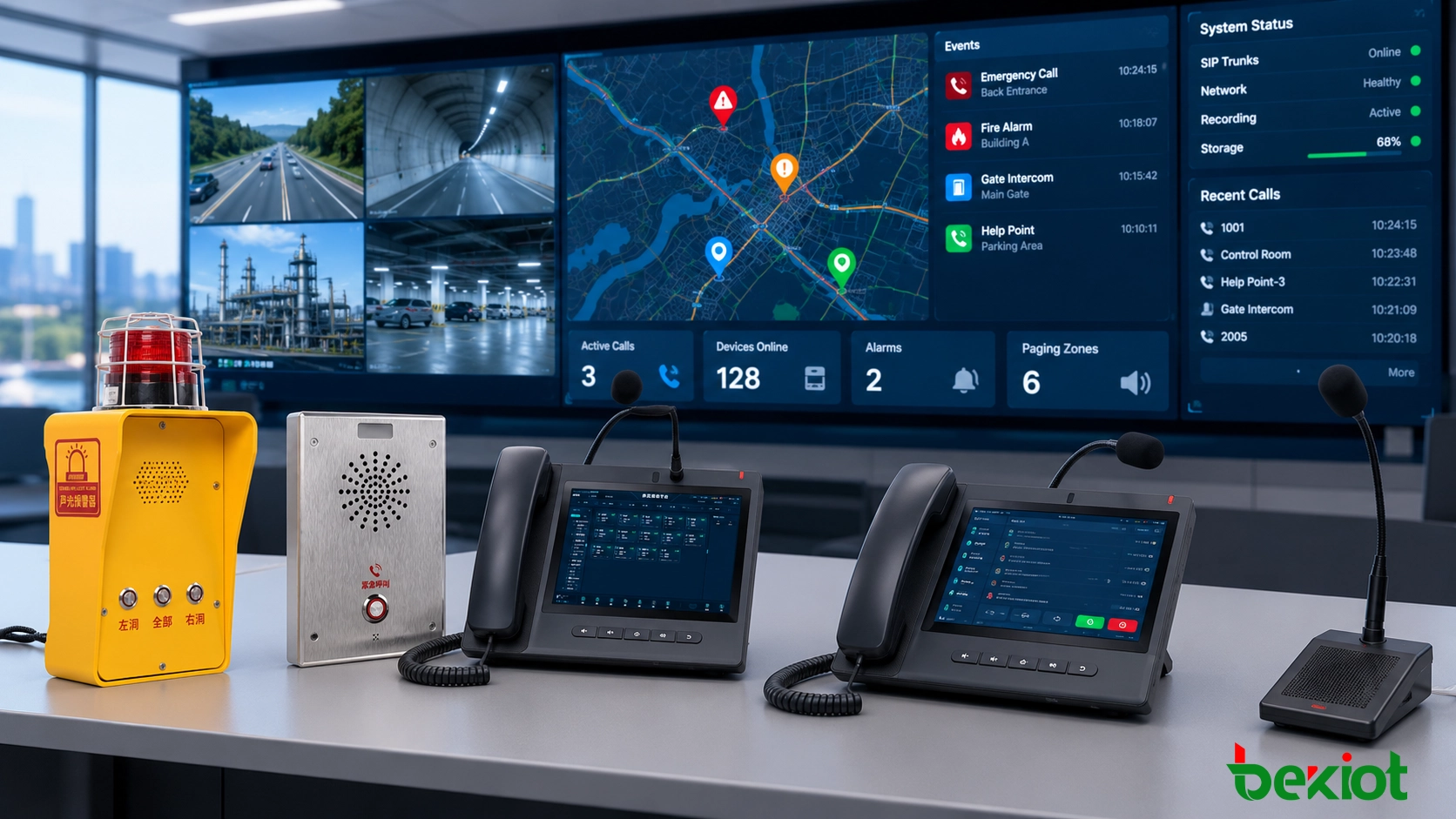
Incoming calls enter a business phone system and are routed to the right destination through IVR, queues, ring groups, or direct extensions.
Quick Answer
An incoming call is a call that comes into a phone system, user, extension, queue, or department. A typical example is a customer dialing a company number and reaching reception, support, sales, or an IVR menu.
An outgoing call is a call placed from a phone system, user, extension, agent, or platform to another destination. A typical example is a sales agent calling a customer, a support team returning a missed call, or a dispatcher contacting a field team.
Call Type
Basic Meaning
Main Focus
Common Example
Incoming Call
A call received by a user, extension, team, or system
Answering, routing, service access, response quality
A customer calls a company support number
Outgoing Call
A call initiated by a user, extension, agent, or platform
An incoming call arrives from another caller and reaches a user, extension, department, queue, or communication platform. The caller may be outside the organization, such as a customer dialing a public company number. The caller may also be internal, such as one employee calling another extension.
In most business phone systems, the term is often used for calls entering the organization through a DID number, SIP trunk, PSTN gateway, toll-free number, or public telephone line. After the call reaches the system, routing rules decide where it should go.
Typical Inbound Use Cases
Incoming calls are closely related to customer service and response readiness. They are common in reception desks, support centers, sales hotlines, appointment desks, emergency contact points, complaint handling, information inquiry, and public service communication.
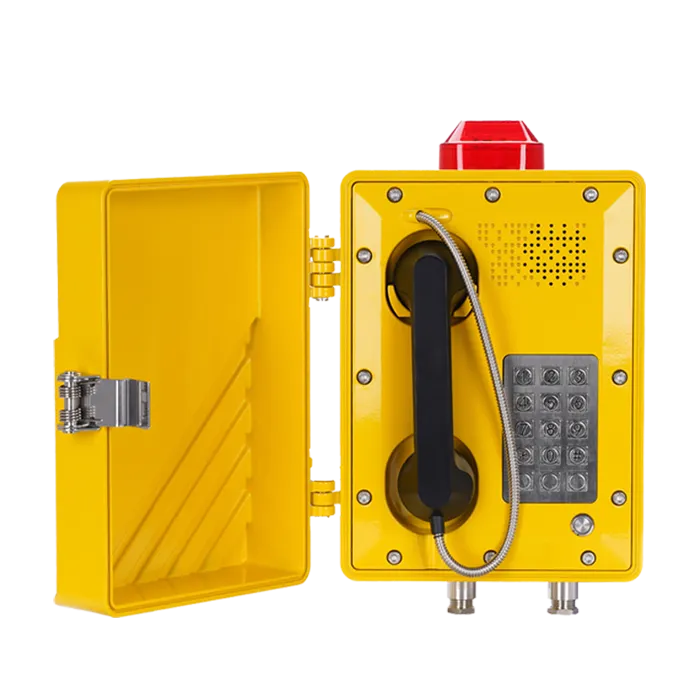
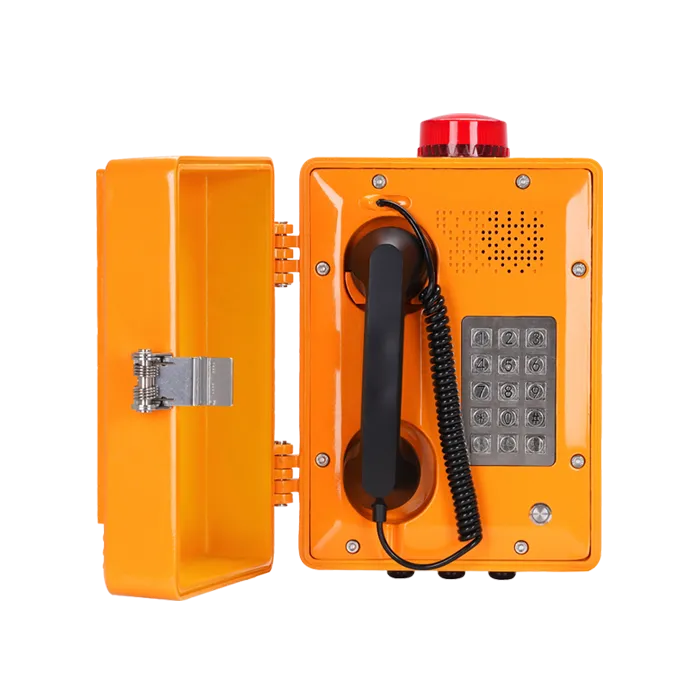
In industrial, transport, or safety-related environments, inbound traffic may also come from emergency phones, tunnel intercoms, roadside call boxes, help points, control stations, or field communication terminals. In these situations, the call may represent an urgent incident rather than a normal customer inquiry.
Incoming calls usually show how well an organization receives communication and responds to people who need assistance.
What Outgoing Calls Mean in Business Telephony
An outgoing call is started by a user, extension, agent, operator, automated platform, or dispatch console. It may be dialed manually, generated by a callback workflow, triggered by a notification system, or started as part of an operational process.
In a PBX or VoIP environment, outgoing traffic is controlled by dialing rules. The system may check the number format, user permission, caller ID, destination type, route pattern, trunk availability, and cost policy before the call is placed.
Typical Outbound Use Cases
Outgoing calls are often used for sales outreach, callbacks, appointment confirmation, service follow-up, notification delivery, dispatch operations, internal coordination, partner communication, and proactive customer contact.
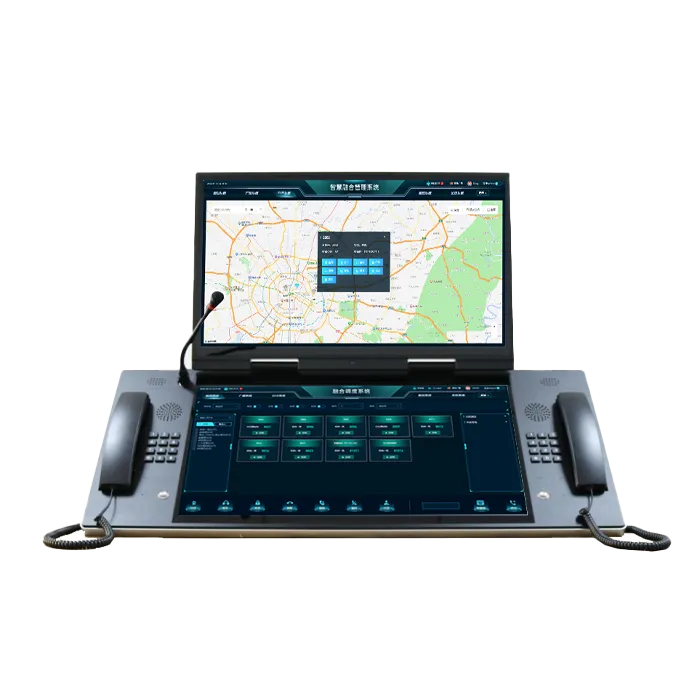
In industrial or mission-critical communication, a control room may place outbound calls to field stations, patrol teams, maintenance units, security posts, or emergency responders. In this context, outbound calling is not about sales. It is about active coordination.
Outgoing calls usually show how actively an organization initiates communication to complete a task, deliver a service, or coordinate an operation.
How Inbound Call Handling Works
A typical inbound call enters the business communication system through a public number, SIP trunk, gateway, or carrier connection. The PBX or VoIP platform identifies the called number and applies routing rules based on business logic.
The call may be sent to an IVR menu, auto attendant, call queue, ring group, receptionist, department, or direct extension. More advanced systems can route calls by business hours, caller ID, language preference, region, VIP status, service priority, or emergency rule.
Business communication systems use routing rules to move incoming calls from the entry point to the correct person, team, or workflow.
Answering, Queueing, and Escalation
In many organizations, several people may be responsible for answering the same inbound number. A customer service number may go to a queue. A main office line may ring reception first. An emergency help point may alert a control room and start call recording automatically.
This is why inbound design is closely connected with wait time, missed calls, abandoned calls, service level targets, escalation paths, and after-hours handling. If the system does not route incoming calls efficiently, callers may wait too long, abandon the call, or fail to reach help when it matters.
How Outbound Call Handling Works
When a user or system places an outbound call, the communication platform checks whether the caller is allowed to dial that destination. It may also normalize the number, add or replace prefixes, select a caller ID, and choose the best available route.
For example, local calls may use one SIP trunk, mobile calls may use another route, and international calls may require special permission. Some organizations also use least-cost routing, department-level restrictions, call recording policies, or outbound campaign rules.
Permission, Cost, and Route Control
Outbound traffic usually requires stricter governance because the organization is actively using carrier resources. Managers may need to control who can call mobile numbers, long-distance destinations, international numbers, or premium-rate services.
This makes outgoing call configuration important for both cost management and security. A poorly designed outbound route can increase telecom spend, create compliance risk, or allow unauthorized calling.
Core Differences That Matter
Comparison Point
Incoming Calls
Outgoing Calls
Direction
Received by the user, team, or organization
Started by the user, team, or organization
Business Purpose
Respond to customer needs, incidents, inquiries, or service requests
Start follow-up, outreach, coordination, notification, or task execution
Routing Logic
IVR, queues, ring groups, time conditions, escalation rules
Dial plans, permissions, number rules, caller ID, trunk selection
Main Metrics
Answer rate, wait time, missed calls, abandoned calls, service level
Attempts, connection rate, talk time, callback completion, route usage
Management Focus
Availability and response quality
Productivity, cost control, and policy compliance
Why Reports Separate the Two Directions
Incoming and outgoing calls should be reported separately because they describe different business realities. Inbound reports show how reachable the organization is. Outbound reports show how actively the organization communicates.
If both directions are mixed together, performance analysis becomes less useful. A team may look busy because it makes many outbound calls, but that does not prove it is answering customers quickly. Another team may handle heavy inbound traffic but place fewer outbound calls because its role is mainly service response.
Inbound Metrics
Common inbound indicators include total received calls, answered calls, missed calls, abandoned calls, average answer time, queue waiting time, peak-hour volume, first response performance, and service level compliance.
These metrics are especially useful for customer service centers, public hotlines, appointment desks, reception teams, emergency contact points, and support operations.
Outbound Metrics
Common outbound indicators include total dial attempts, connected calls, answer ratio, average talk time, callback completion, agent activity, route usage, and destination cost. In sales or campaign environments, reports may also include conversion, follow-up rate, and appointment creation.
These metrics are useful for sales teams, callback centers, dispatch offices, proactive service teams, notification systems, and departments that need to measure task execution.
Why the Difference Matters in PBX and VoIP Systems
In PBX, IP PBX, and VoIP platforms, call direction affects trunk design, dial plan configuration, security policy, call recording, caller ID handling, and analytics. The same platform may handle both directions, but the logic behind each direction is not the same.
Inbound setup usually focuses on how outside callers reach the right internal destination. Outbound setup focuses on how internal users reach approved external or internal destinations. Both sides need planning, but the problems they solve are different.
Contact Center Context
In contact centers, inbound calling is usually tied to customer access and service quality. Outbound calling is tied to follow-up, campaigns, reminders, surveys, collections, or proactive support.
Because the goals differ, staffing and performance evaluation should also differ. Inbound teams need enough coverage to handle unpredictable demand. Outbound teams need structured activity plans and clear task outcomes.
Industrial and Dispatch Context
In industrial communication systems, incoming calls may come from emergency phones, help points, field stations, gate intercoms, or production-area terminals. Outgoing calls may be placed by dispatchers, supervisors, security operators, or control rooms.
This distinction is important in transportation, utilities, manufacturing, energy, mining, public safety, and large campus environments. The system must support both urgent reception and proactive coordination.
Common Misunderstandings
An Incoming Call Is Not Always External
In a broad sense, an incoming call can be any call received by a user or extension, even if it comes from another internal extension. In business reporting, however, the term often refers to calls entering the organization from outside through a public number or trunk.
Because platforms may define reporting scope differently, managers should always check how the system classifies internal, external, transferred, and forwarded calls.
Outgoing Calls Are Not Only Sales Calls
Outbound calling is often associated with sales, but that is only one use case. Support teams return calls, hospitals confirm appointments, schools notify families, dispatchers contact field teams, and control rooms coordinate emergency response.
A better way to describe outgoing calls is proactive communication. The purpose depends on the business process behind the call.
Call Direction Can Change During Transfers
A call may begin as incoming, then be transferred internally, forwarded to another number, or bridged into a conference. Depending on the PBX or reporting tool, these later legs may be logged separately.
This is why detailed call detail records can look different from a simple call history screen. For accurate analysis, the reporting method should match the business question being asked.
Practical Configuration Checklist
When designing or reviewing a business phone system, it helps to plan inbound and outbound logic separately. The following questions can prevent many common configuration problems.
Which public numbers, SIP trunks, or gateways receive inbound calls?
Should incoming calls go to IVR, queues, ring groups, reception, or direct extensions?
How should the system handle missed calls, after-hours calls, and overflow traffic?
Which users are allowed to place local, mobile, long-distance, or international calls?
Which caller ID should be presented for different departments or outbound routes?
Should outbound calls use least-cost routing, backup trunks, or route restrictions?
Which call types should be recorded, reported, or excluded from analytics?
Conclusion
The difference between incoming and outgoing calls begins with direction. Incoming calls are received by a user, extension, team, or organization. Outgoing calls are initiated by a user, extension, team, operator, or platform. In professional communication systems, this distinction affects routing, permissions, reporting, cost control, staffing, and service quality.
Incoming calls are mainly about availability and response. Outgoing calls are mainly about initiative and execution. Whether the environment is a PBX system, VoIP deployment, contact center, industrial dispatch network, or enterprise communication platform, understanding the two call types helps organizations build better workflows and interpret call data more accurately.
FAQ
What is an incoming call?
An incoming call is a call received by a person, extension, team, or phone system. In business reporting, it often refers to a call entering the organization through a public number, SIP trunk, gateway, or carrier line.
What is an outgoing call?
An outgoing call is a call initiated by a user, extension, agent, operator, or communication platform. It may be made for sales, support callbacks, appointment confirmation, dispatch coordination, notification, or internal communication.
Are incoming calls always external?
No. In general usage, an incoming call can be any call received by an extension, including an internal call. In many business reports, however, incoming calls usually mean calls coming from outside the organization.
Why are outgoing calls linked to cost control?
Outgoing calls often use carrier trunks, SIP routes, gateways, or paid telecom services. Because the organization initiates the traffic, managers usually need to control permissions, routes, caller ID, and destination types.
Can one PBX system handle both incoming and outgoing calls?
Yes. Modern PBX, IP PBX, and VoIP systems can handle both directions. However, inbound and outbound calls usually use different routing rules, permissions, reports, and management policies.