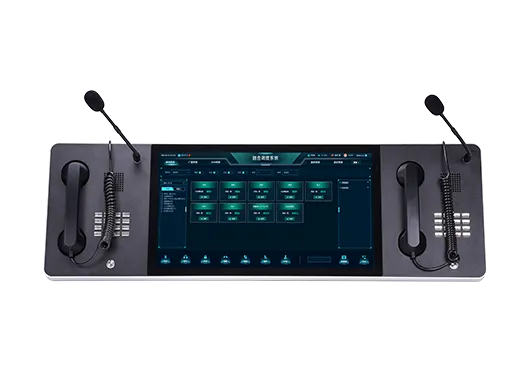
VHF radio communication explained for aviation, maritime, emergency and dispatch projects, covering frequency use, radio-to-IP integration, deployment design, testing and platform linkage.
Becke Telcom
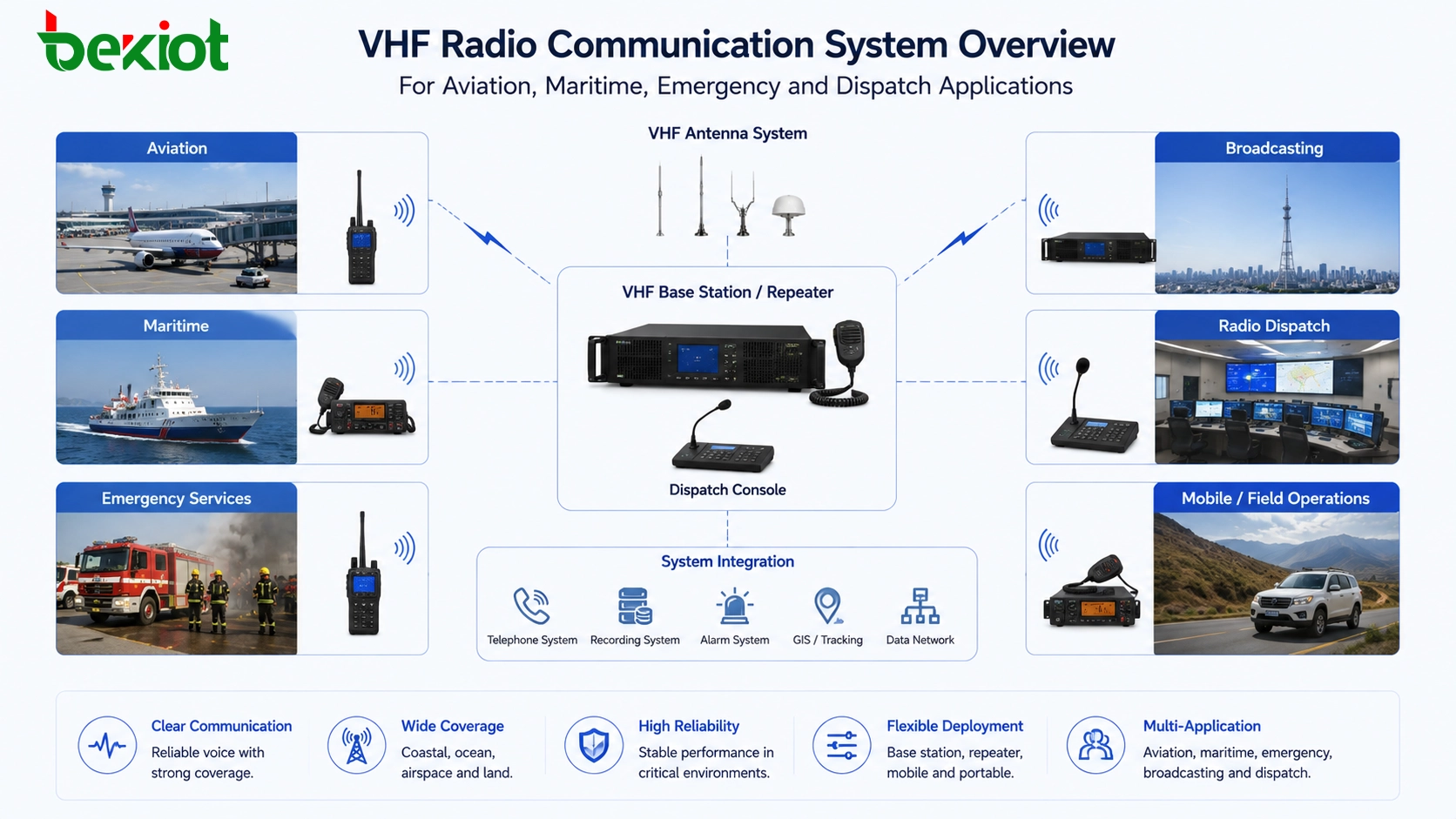
A VHF radio system is often discussed only as a frequency band, but in real communication projects it is usually part of a larger operational environment. Airport ground teams, port dispatch rooms, emergency command centers, vessel operators, coastal stations, and field response teams may all depend on radio channels that cannot simply be replaced by ordinary IP phones or mobile apps.
The engineering question is therefore not only “What is VHF?” A more useful question is how VHF radio communication can remain reliable in the field while also being connected to dispatch consoles, SIP systems, recording platforms, command centers, and emergency management workflows. This article explains the technical logic behind VHF communication and how radio-to-IP integration should be planned.
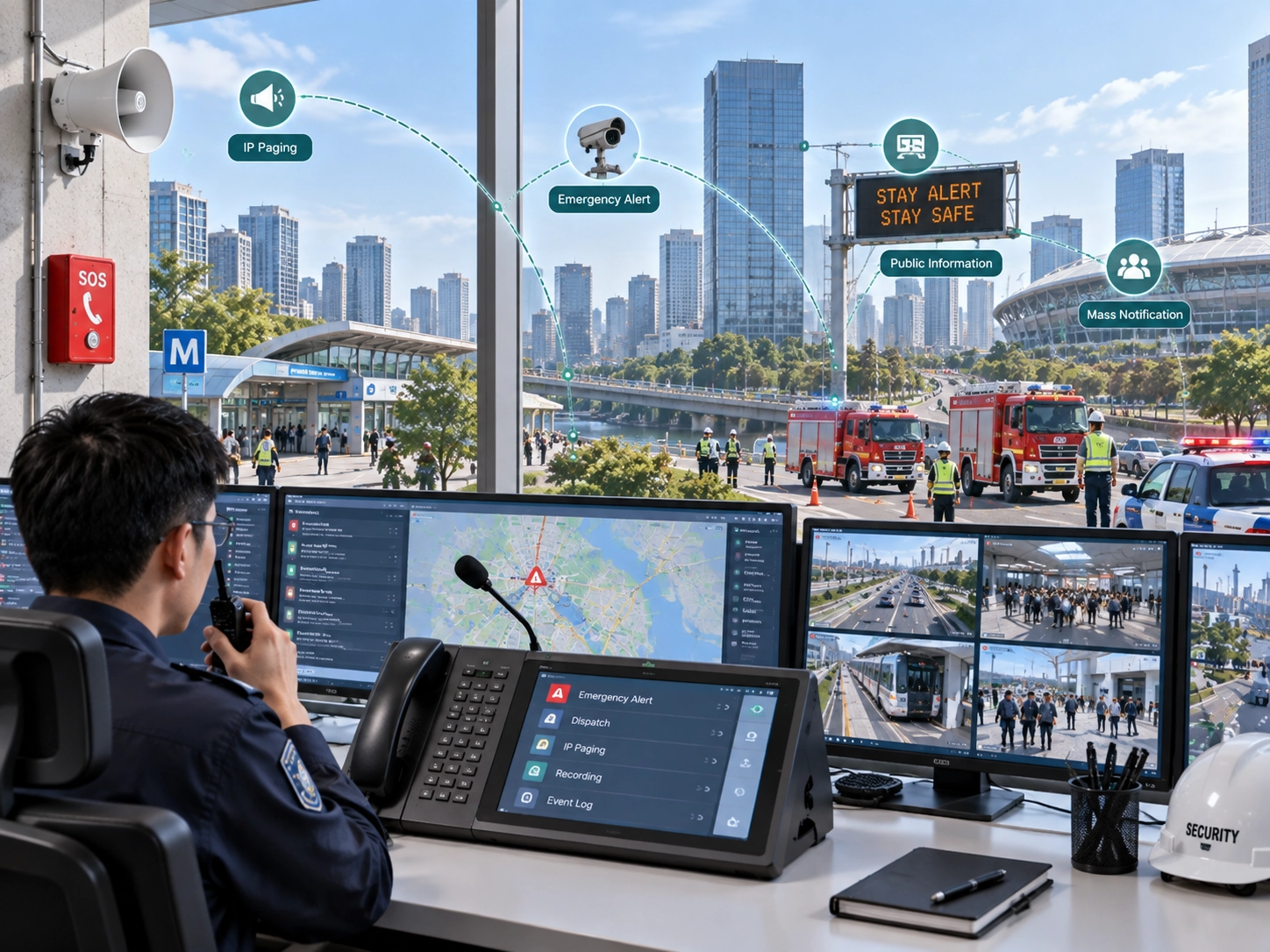
VHF radio is still an important field communication resource in aviation, maritime, emergency, and dispatch environments.
What VHF Means in Engineering
Very High Frequency, or VHF, refers to the radio frequency range from 30 MHz to 300 MHz. Signals in this band are widely used for voice communication, broadcasting, marine radio, aviation radio, public safety communication, and other professional radio systems.
Compared with many IP-based communication systems, VHF radio does not start from a network account, a SIP extension, or a server-side call route. A radio transmits voice through a selected radio frequency channel, and other radios or stations listening on that channel can receive the transmission. This gives VHF a simple and direct operating model that remains valuable in field work.
In communication integration projects, VHF is rarely treated as a standalone topic. It is usually connected with questions such as coverage planning, antenna location, channel discipline, push-to-talk control, operator permission, call recording, emergency response, and how a command center can access a radio channel without disturbing established radio procedures.
Why This Band Is Still Used
VHF communication offers a practical balance between coverage, voice clarity, antenna size, and equipment maturity. It is often suitable for line-of-sight or near-line-of-sight communication over airports, ports, coastal areas, open industrial sites, vessels, terminals, and field operation zones.
Its value is not only technical. Many industries have built their operating procedures around radio use. Operators know how to monitor a channel, press a push-to-talk key, wait for the channel to be clear, identify themselves, and pass short instructions. These habits are part of daily safety communication, especially in aviation and maritime environments.
A network voice system can provide flexible routing and platform management, but it does not automatically replace radio communication. Where a field team needs fast group listening, simple operation, independent radio coverage, and familiar emergency procedures, VHF can remain the most practical voice medium.
How Radio Operation Differs from VoIP
VoIP communication is built on packet networks. Calls are usually controlled by SIP servers, IPPBX systems, softswitch platforms, SBCs, or unified communication applications. Each user normally has an account, extension number, route, codec setting, and call state.
VHF radio follows a different operating rhythm. A radio channel is often shared by many users. Communication is commonly half-duplex, so one person speaks while others listen. The push-to-talk action is not just a button; it controls when the transmitter is active on the channel.
This difference is important when connecting VHF radio to IP systems. A VHF radio should not be treated as a normal SIP phone. The integration layer must handle audio input, audio output, PTT triggering, channel status, delay, recording path, user permission, and sometimes emergency priority logic.
Where It Is Commonly Applied
Aviation Ground Communication
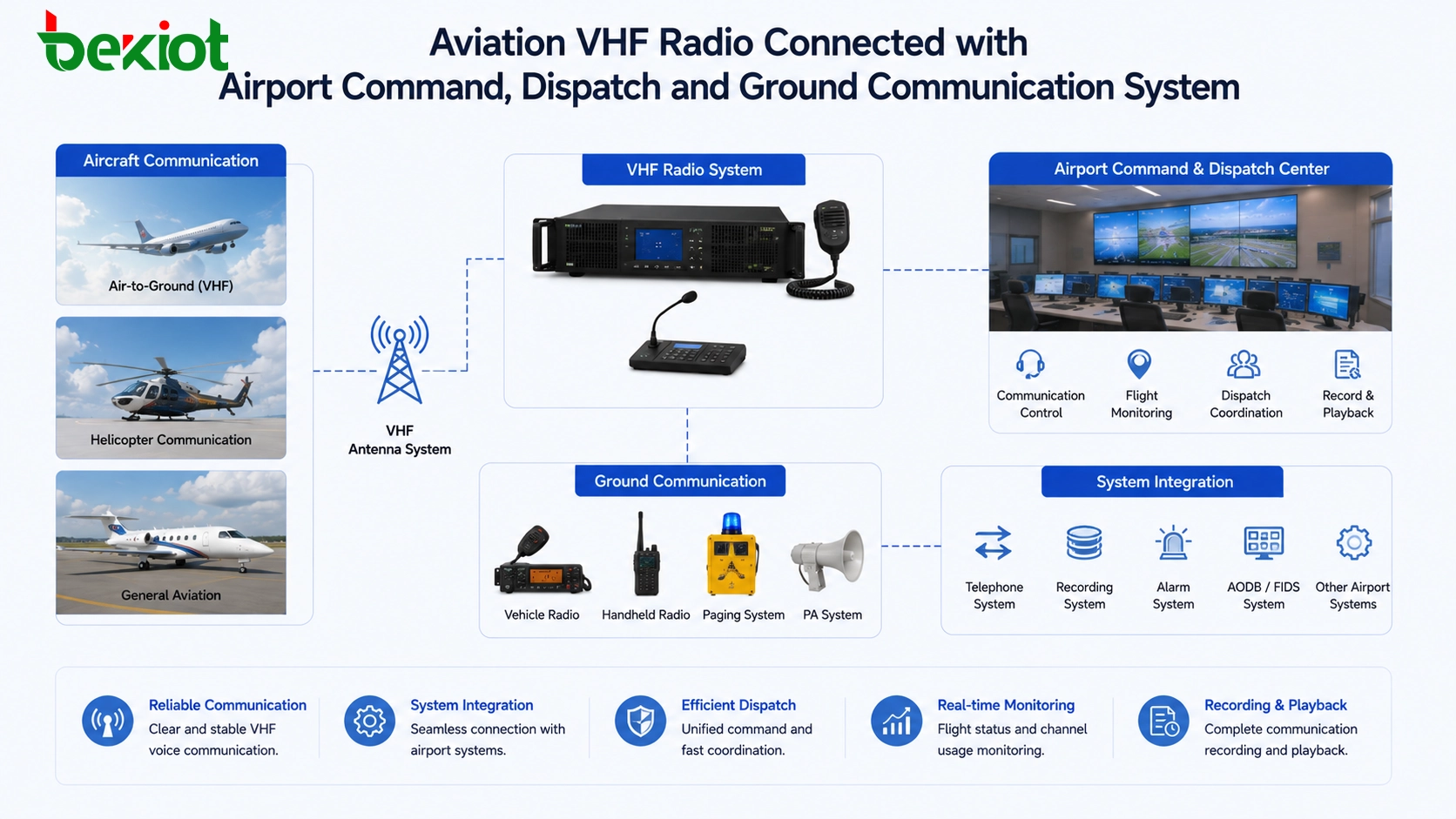
Aviation communication uses dedicated radio resources for aircraft-to-ground and ground operation coordination. Civil air traffic control VHF communication is commonly associated with the 118.000 MHz to 136.975 MHz band. In airport projects, VHF radios may be linked with tower-related positions, operation control rooms, ground service teams, emergency command rooms, or maintenance departments.
The purpose of integration is not to replace certified aviation communication procedures. It is usually to allow authorized operators to monitor, record, or access the radio channel from a controlled command position. This requires careful handling of audio quality, electromagnetic interference, grounding, PTT timing, and permission rules.
Marine and Port Communication
Marine VHF radio is widely used between vessels, coast stations, ports, patrol boats, offshore platforms, and maritime safety positions. It supports daily navigation communication, port entry coordination, traffic information, weather warnings, assistance requests, and emergency communication.
Marine VHF channels are generally located around the 156 MHz to 162 MHz range, depending on channel allocation and operating region. Channel 16 at 156.8 MHz is especially important because it is used for calling and distress alerting. For port dispatch or coastal monitoring projects, the radio channel may need to be connected with dispatch desks, call recording systems, IP communication platforms, or emergency management screens.
Emergency and Field Response
In emergency response, radio remains useful because field teams often need short, direct, and group-oriented communication. Rescue teams, patrol groups, temporary command posts, and mobile response units may operate in places where public mobile networks are unstable or overloaded.
A command center may need to listen to field radio traffic, speak to radio users, record important calls, or link radio communication with incident information. In this situation, the system design should avoid turning a shared radio channel into a chaotic conference call. PTT control, speaking permission, and operator training become part of the technical solution.
Industrial and Remote Sites
Industrial facilities, ports, energy sites, tunnels, mines, water projects, and remote terminals may already have radio equipment installed. These radios often serve maintenance staff, patrol teams, vehicle operators, and emergency personnel. Reusing them can be more realistic than forcing all users to move to a new communication method at once.
When these sites introduce an IP dispatch platform, the existing VHF resource can be connected through a radio access gateway or customized audio-control interface. This allows dispatch users to communicate with field teams while keeping the radio habits that operators already understand.
In aviation projects, VHF integration should respect existing radio procedures while adding controlled dispatch access.
What Radio-to-IP Integration Actually Does
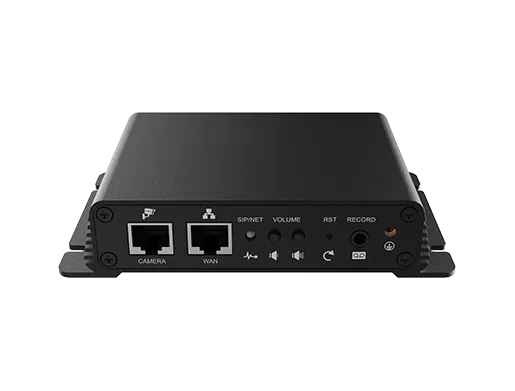
Radio-to-IP integration creates a controlled bridge between a radio channel and an IP communication system. On the radio side, the system may connect to speaker output, microphone input, accessory ports, PTT control lines, antenna systems, or dedicated radio interfaces. On the IP side, it may connect to SIP servers, dispatch consoles, recording platforms, IP phones, soft clients, or emergency command software.
The bridge must move voice in both directions. When a radio user speaks, the audio should be sent to the dispatch platform or recording system with acceptable clarity and delay. When an authorized dispatch user talks back, the system must activate the transmitter through PTT control and feed audio into the radio correctly.
This sounds simple, but the detail matters. Poor audio level matching can cause weak sound or distortion. Incorrect PTT control can keep the transmitter keyed too long or fail to transmit at the right moment. Missing permission control can allow too many users to access a channel. A successful design treats radio behavior and IP behavior as two different systems that need a disciplined interface.
Key Design Questions Before Deployment
Which Radio Environment Is Being Connected?
The first step is to confirm the actual use case. Aviation, maritime, emergency, industrial, public safety, and private radio networks may have different channel plans, procedures, licensing requirements, and operational risks. The system cannot be designed from the VHF frequency range alone.
Engineers should document the radio type, channel usage, antenna location, coverage requirement, operating department, emergency procedure, and who is allowed to transmit. This information affects every later decision, from cabling to permission management.
Which Interfaces Are Available?
Not every radio is easy to integrate. Some devices provide accessory ports for audio and control. Some require customized cables. Some only expose speaker and microphone paths. Before choosing a gateway or platform, the project team should confirm the available audio input, audio output, PTT signal, grounding method, power supply, and physical installation conditions.
Interface confirmation should be done with the actual radio model, not only with a product brochure. Radios from different manufacturers may handle accessory ports, audio levels, impedance, and control pins differently. A small mismatch can lead to unstable transmission or poor voice quality.
How Will PTT Be Controlled?
Push-to-talk control is one of the most sensitive parts of radio integration. If the PTT signal is triggered too early, the first part of the message may be lost. If it is released too late, the channel may remain occupied. If multiple dispatch users can transmit without rules, field communication may become confusing.
A practical design should define who can transmit, whether one user has priority, how long transmission can continue, whether the system needs a timeout limit, and how operators see the current channel state. In emergency or maritime scenarios, these rules are not optional details.
Can the Audio Path Handle Real Noise?
VHF communication may include background noise, wind, engine sound, weak signal, microphone variation, and radio squelch behavior. The IP side may use codecs, jitter buffers, echo control, recording compression, or dispatch headset devices. These two audio worlds need to be tested together.
During commissioning, engineers should test normal voice, loud voice, weak voice, noisy field voice, long-distance reception, dispatch talkback, recording playback, and emergency call review. Audio that sounds acceptable in a quiet office may fail in a real port, airport, tunnel, or emergency scene.
Who Needs Recording and Traceability?
Many VHF integration projects are connected with safety and accountability. A command center may need to know which channel was used, when a call occurred, who transmitted from the platform side, and what was said during an incident.
Recording design should include channel labels, time stamps, operator identity, storage policy, retrieval method, and permission control. For regulated environments, recording should be planned before deployment rather than added after the system is already in service.
A Practical System Architecture
A reliable architecture normally has several layers. The field layer includes VHF radios, antennas, power supplies, local microphones, speakers, and any existing radio accessories. This layer should remain stable because it is the primary communication resource for radio users.
The access layer connects the radio device to the integration equipment. It handles audio capture, audio injection, PTT control, signal isolation, grounding, and sometimes local monitoring. This layer is where many project problems appear, so cable quality and electrical compatibility should be verified carefully.
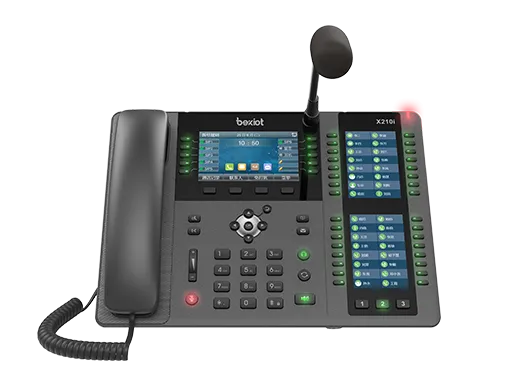
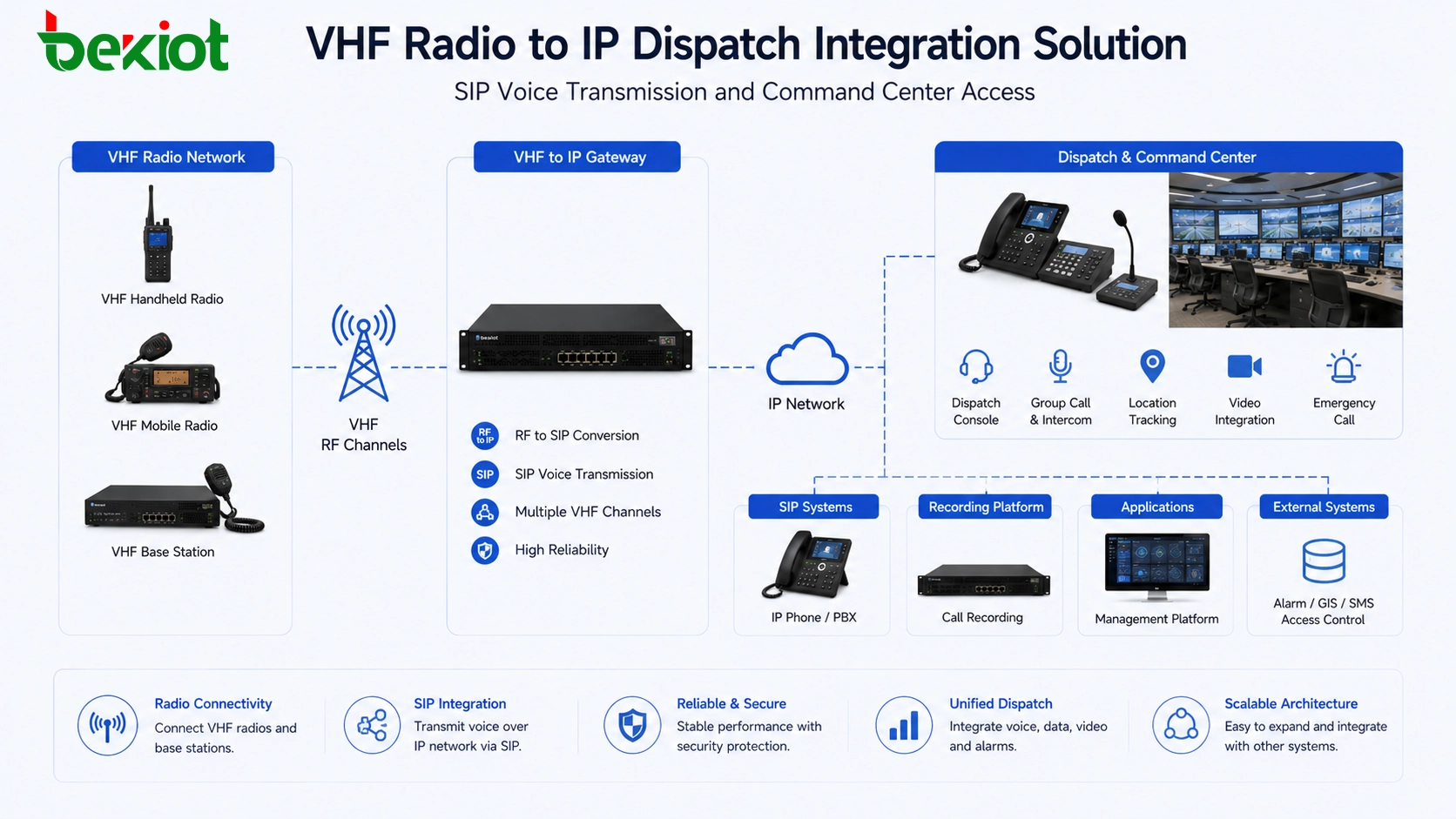
The conversion layer turns radio-side audio and control into IP-based communication. In many systems, SIP is used so the radio channel can work with dispatch consoles, IPPBX platforms, call recording systems, IP phones, or softphone users. The conversion layer may also manage codec selection, RTP media path, talkback control, and failover behavior.
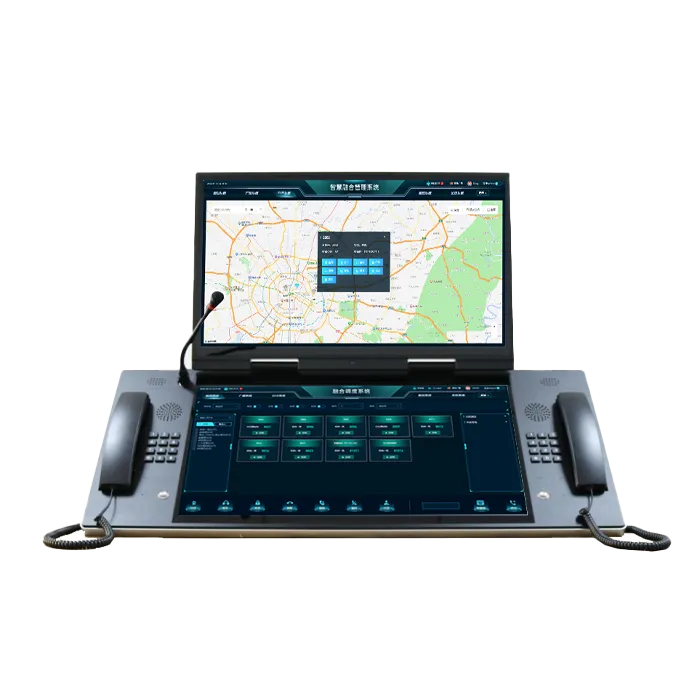
The application layer is where operators work. It may include a dispatch console, airport operation center, port control room, emergency command platform, GIS screen, CCTV linkage, alarm system, recording server, or unified communication dashboard. The goal is not to make the radio disappear; the goal is to make radio communication visible, manageable, and usable from the command workflow.
A radio-to-IP architecture connects field radio channels with SIP systems, dispatch consoles, recording servers, and command applications.
Typical Integration Values
Project Area
Main Requirement
Integration Value
Airport Operations
Connect aviation radio resources with authorized command positions
Improves coordination between radio users, ground teams, and operation centers
Port and Coastal Management
Allow dispatch rooms to access marine VHF communication
Supports vessel coordination, safety communication, weather alerts, and incident response
Emergency Command
Bridge field radio channels with emergency management platforms
Helps command users monitor, speak, record, and coordinate during response tasks
Industrial Sites
Reuse existing radio equipment while adding IP dispatch access
Reduces replacement pressure and keeps familiar radio operation for field teams
Recording and Review
Preserve radio communication for later investigation or training
Improves traceability, accountability, and post-event analysis
Deployment and Testing Checklist
Radio Survey
The project should begin with a site survey. Engineers should confirm radio model, antenna position, channel usage, signal coverage, power environment, grounding, existing accessories, and the operating teams that rely on the radio. This prevents the integration plan from being based on assumptions.
The survey should also identify any special rules. Aviation and maritime communication can involve strict procedures, while industrial sites may have internal safety policies. These rules affect who can transmit, when recording is required, and how emergency communication should be handled.
Interface Test
Before full deployment, the radio interface should be tested on a bench or pilot site. Audio input and output levels should be checked with actual speech, not only with a tone generator. PTT triggering should be tested repeatedly to confirm timing, stability, and release behavior.
If customized cabling is used, it should be documented clearly. Pin definitions, connector type, shielding, grounding, and installation method should be recorded so maintenance teams can repair or reproduce the connection later.
Platform Interoperability
When SIP or IP dispatch is involved, the team should test registration, routing, media direction, codec negotiation, network delay, packet loss behavior, recording path, and dispatch console operation. The radio channel should be tested with IP phones, soft clients, and dispatch seats only if those users are part of the final workflow.
Interoperability testing should include abnormal cases. Engineers should check what happens when the network disconnects, the radio loses power, the SIP server restarts, the gateway reboots, or two users try to transmit at nearly the same time.
Operational Acceptance
Final acceptance should involve the people who will actually use the system. A technical test may show that audio passes through correctly, but operators also need to confirm whether the workflow is clear, whether channel labels are understandable, whether transmission control is safe, and whether recordings can be found quickly.
Training is also part of acceptance. Dispatch users must understand that a VHF channel is shared and half-duplex. They should not treat radio communication like a normal telephone call. Clear operating rules reduce channel conflict and improve emergency response quality.
Common Mistakes to Avoid
One common mistake is focusing only on whether the audio can be connected. Audio connection is only the beginning. A reliable system also needs correct PTT control, proper grounding, usable channel labels, permission management, recording policy, and maintenance documentation.
Another mistake is allowing too many IP users to transmit through the same radio channel. This may look convenient from a platform perspective, but it can damage radio discipline. In shared-channel communication, access control is more important than adding more buttons.
A third mistake is testing the system only in a quiet office. Radio integration should be tested in the real environment, with actual operators, real background noise, realistic transmission distance, and the same network path that will be used after delivery.
When Integration Is Worth Considering
VHF-to-IP integration is worth considering when an organization already relies on VHF radios but needs better command access, centralized recording, remote dispatch, event linkage, or cross-system communication. It is also useful when a command center must coordinate field radio users together with telephone users, IP dispatch users, or emergency management staff.
It may not be necessary for a small radio group that only needs local handheld communication and has no command platform, recording requirement, or remote access need. In that case, improving antenna placement, radio coverage, battery management, and operating discipline may bring more value than platform integration.
The best project outcome is usually a balanced one: keep the proven radio channel for field users, add IP access only where it improves coordination, and control transmission permission carefully. This approach preserves the reliability of radio while adding the management advantages of modern communication platforms.
Final Summary
VHF is a 30 MHz to 300 MHz radio frequency band used in many professional communication environments. In aviation, maritime, emergency, and industrial projects, its importance comes from more than frequency characteristics. It also comes from established procedures, simple push-to-talk operation, shared listening, and reliable field communication habits.
When VHF radios need to work with dispatch consoles, SIP systems, IP phones, call recording, command centers, or emergency platforms, a radio-to-IP integration layer is required. This layer must handle audio, PTT, permission, recording, network media, and operational workflow.
A good VHF integration project should begin with the radio environment, not the software platform. Engineers need to understand the channel, the users, the operating rules, the radio interface, and the real communication risks. Only then can the IP side add value without weakening the reliability of the original radio system.
FAQ
Does VHF radio need the internet to work?
No. A basic VHF radio channel works through radio transmission, not through the internet. Internet or IP networking is only needed when the radio channel is connected to dispatch platforms, SIP systems, recording servers, or remote command centers.
Can a push-to-talk app replace VHF radio?
A push-to-talk app can be useful when mobile networks are stable and users need software-based communication. It does not automatically replace VHF radio in aviation, maritime, emergency, or remote field environments where dedicated radio procedures and independent radio coverage are required.
Why is PTT control important in radio-to-IP integration?
PTT control decides when the radio transmitter is active. If it is not handled correctly, messages may be clipped, the channel may stay occupied, or unauthorized users may transmit. Reliable PTT control is one of the core requirements of VHF-to-IP design.
Should VHF communication be recorded?
Recording is recommended when radio communication is connected with safety operations, emergency response, dispatch management, aviation, maritime coordination, or incident review. The recording design should include time stamps, channel names, operator identity, and controlled access.
What should be confirmed before reusing existing VHF radios?
Engineers should confirm the radio model, frequency use, available interfaces, audio levels, PTT method, antenna condition, power supply, grounding, licensing or operating rules, and compatibility with the target dispatch or SIP platform.