Why Is Interfering with Emergency Communication So Dangerous?
Interfering with emergency communication can block 911 calls, disable help points, or spread false alerts. This guide explains common interference types, real-world impacts, and practical resilience measures for safer response coordination.
Becke Telcom
Emergency communication exists to move a request for help from the person who needs it to the people who can respond. When that path is broken, blocked, or misdirected, the delay is not measured in seconds of inconvenience. It is measured in the time it takes for medical care, fire crews, security teams, or on-site responders to learn that something is wrong. In the worst cases, that delay changes the outcome of the incident itself.
Interference with emergency communication can take many forms, from physically preventing someone from making a call to sending false information that confuses responders. The common thread is that the flow of urgent information is interrupted at a critical moment. Understanding what that means in practice is the first step toward designing systems and procedures that resist it.
What Counts as Interference with Emergency Communication?
The clearest example is blocking a person from calling for help. That might mean taking away a phone, preventing someone from reaching an emergency intercom, disconnecting a power or network cable, or physically restraining someone who is trying to contact responders. In these cases, the equipment may be functional, but access to it is deliberately removed.
Damage and disabling are closely related. A person who smashes a smartphone, cuts a telephone line, disables a panic button, or takes an emergency gateway offline is not just damaging property. They are removing the victim's ability to reach law enforcement, fire services, medical personnel, or an internal security control room. Modern emergency systems depend on chains of devices, so interference can target any link in that chain.
Electronic disruption is another major category. Jammers and other signal-blocking devices can prevent cellular calls, radio coordination, or wireless alarms from getting through. Because wireless paths are often shared by many users and services, a single jammer can affect an entire area at once. That makes it especially dangerous in warehouses, transport corridors, campuses, and public venues.
Interference does not have to be physical or electronic. False information can be just as harmful. Someone may knowingly report that help is no longer needed, give inaccurate location details, or create confusion that sends responders in the wrong direction. Emergency dispatch systems rely on trusted information. When that trust is manipulated, response time and accuracy both suffer.
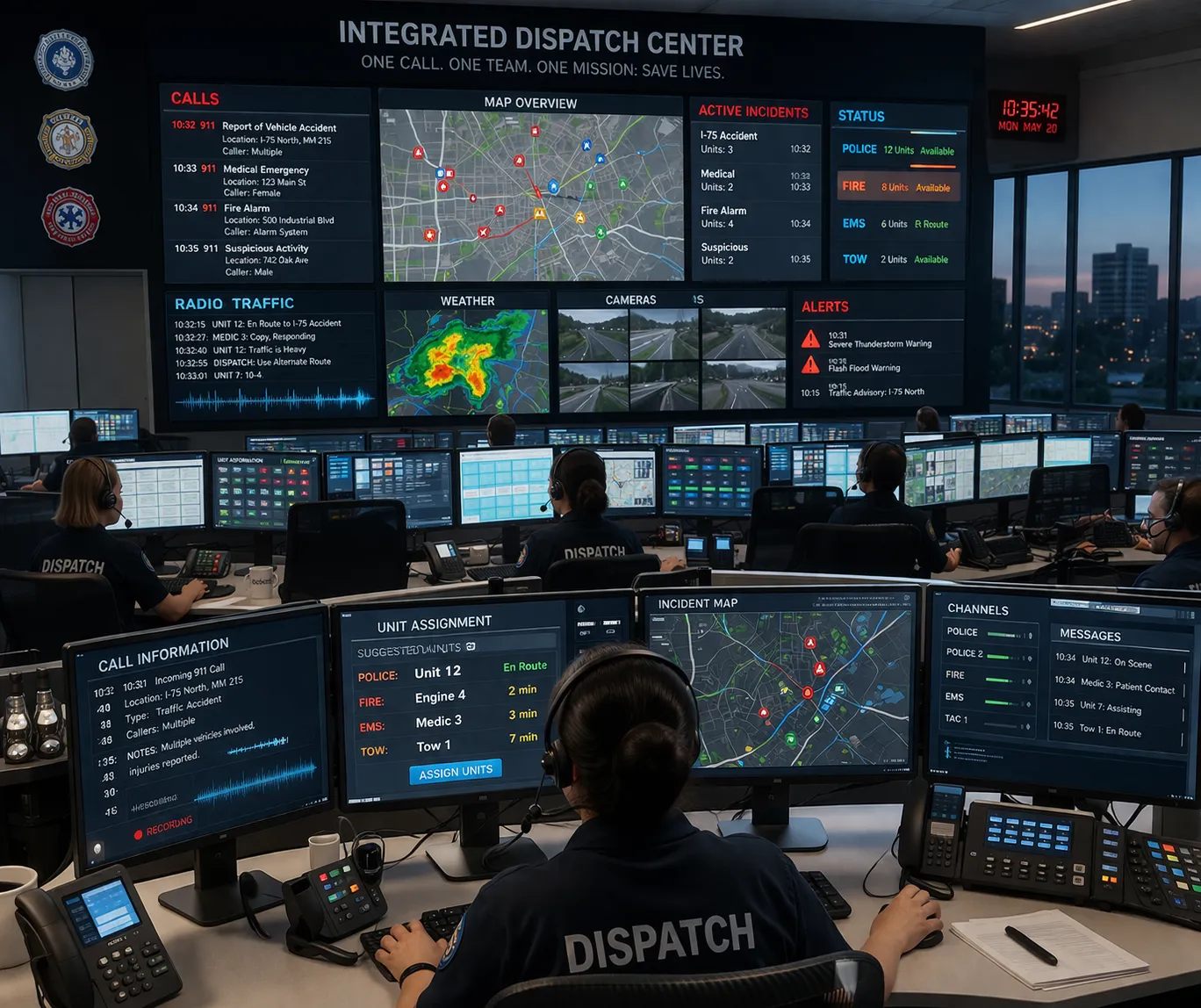
Finally, interference can happen inside the response process itself. A dispatcher may be unable to reach field teams, a paging zone may fail to broadcast, or a control room may lose visibility into alarm status. Emergency communication is a workflow, not a single call. Interruption at any point in that workflow can reduce situational awareness and delay coordinated action.
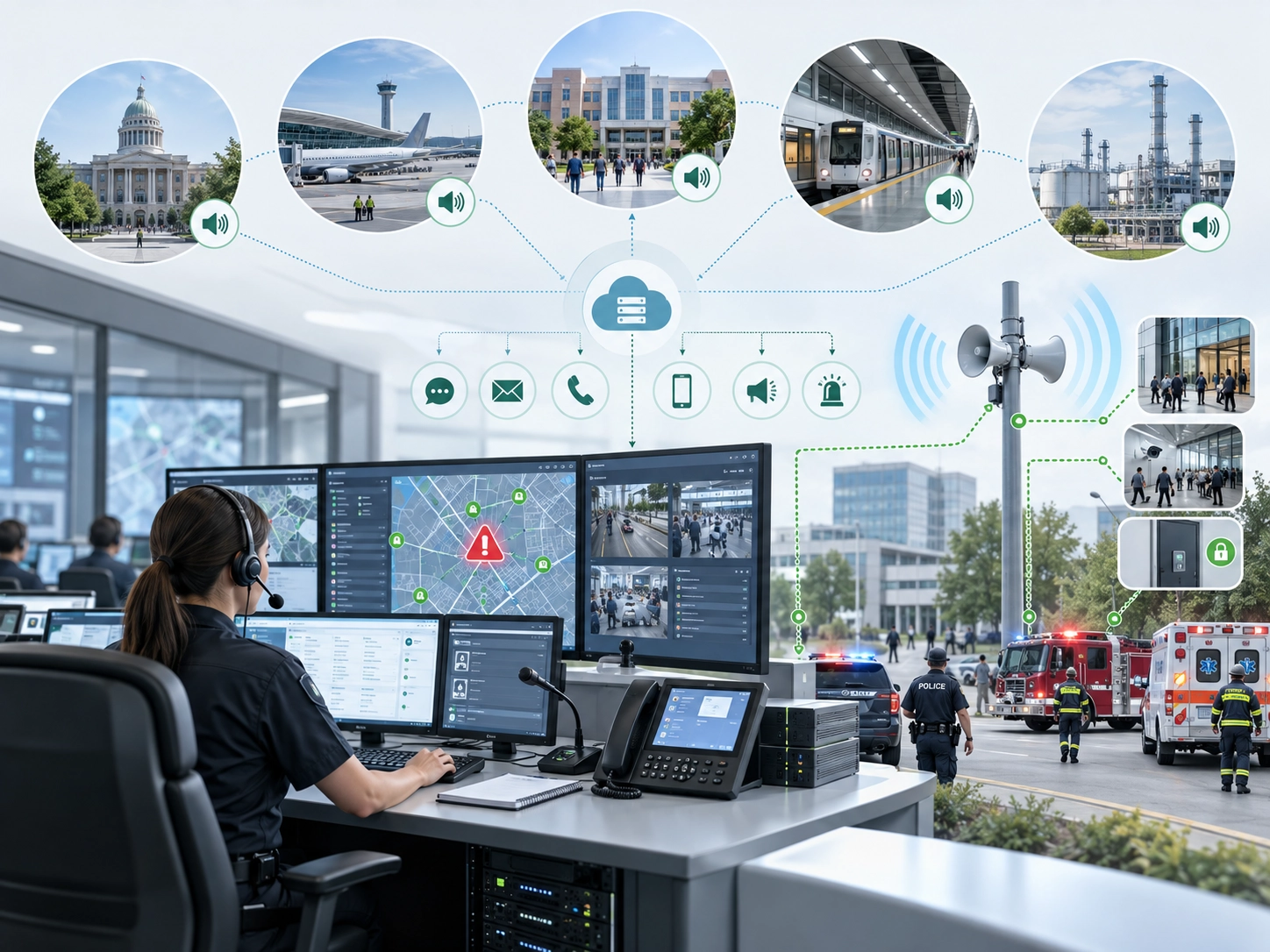
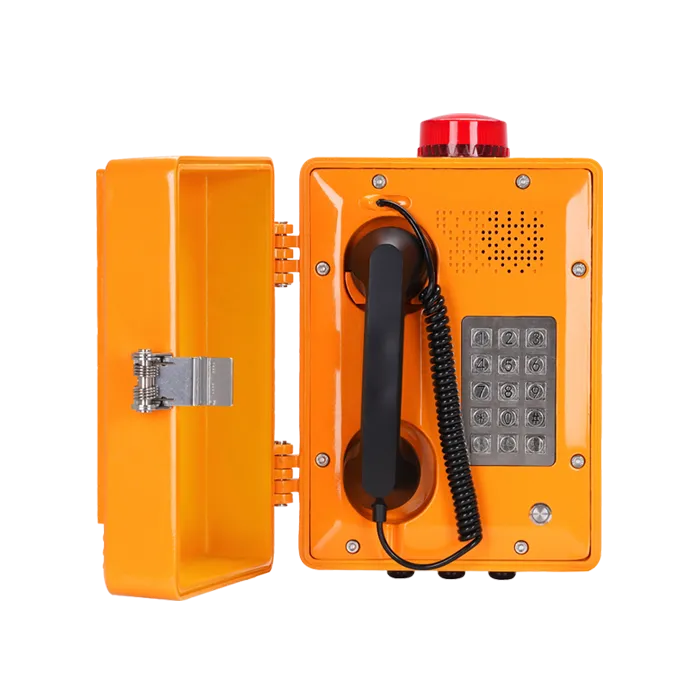
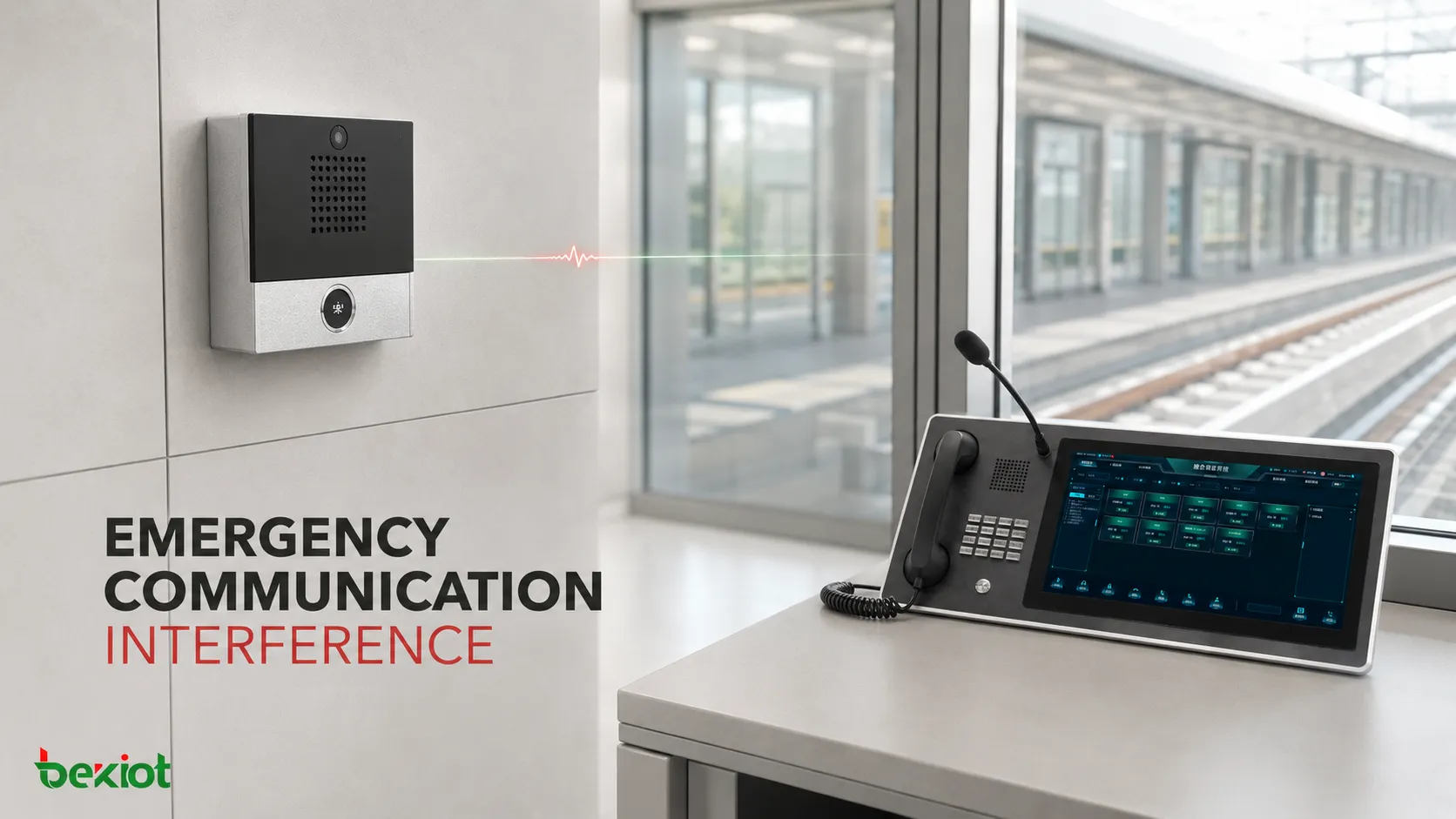
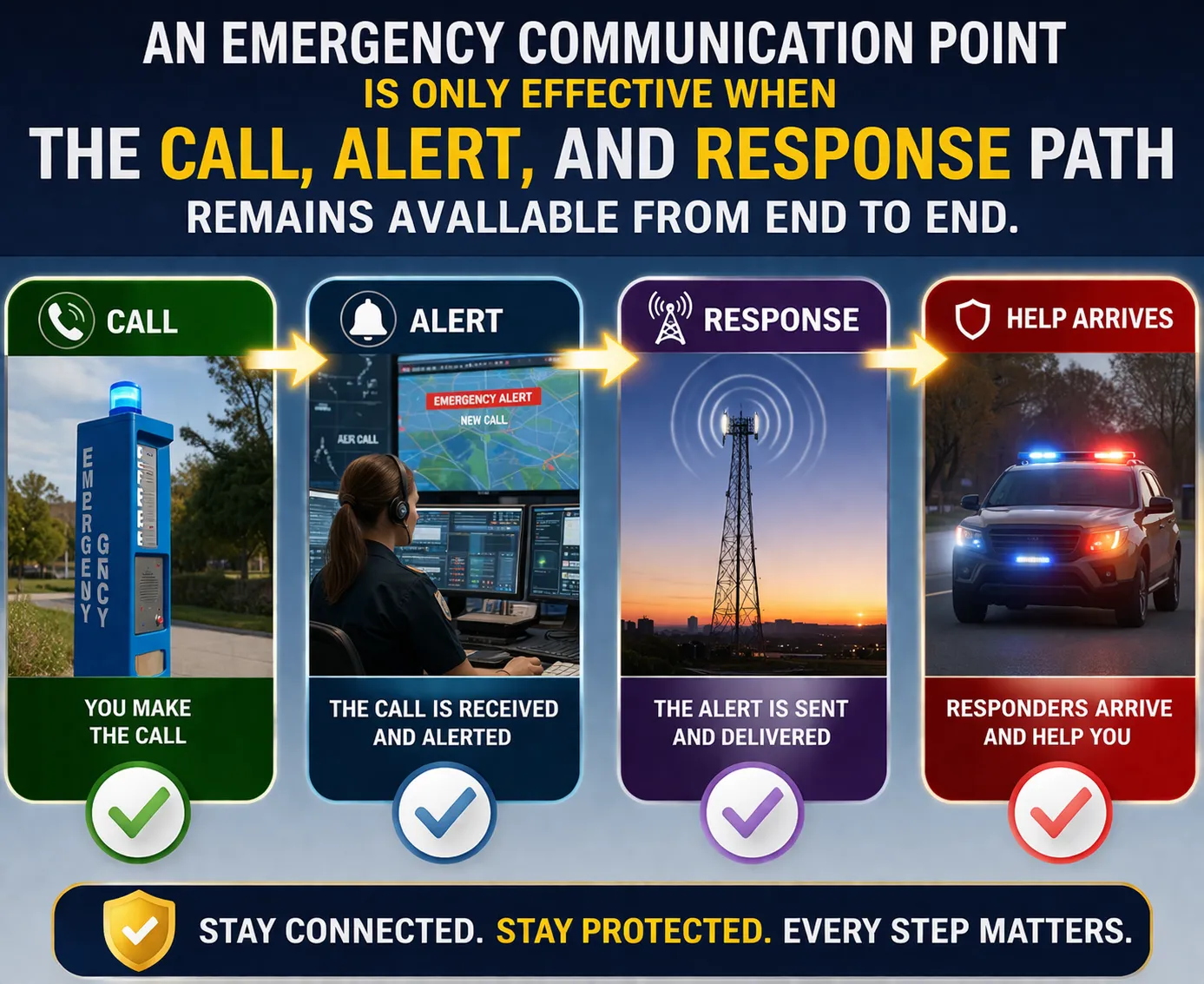
An emergency communication point is only effective when the call, alert, and response path remains available from end to end.
Intentional Disruption vs. Technical Failure
Not every emergency communication failure is deliberate. Systems can go down because of poor maintenance, weak coverage, damaged cabling, battery loss, software faults, misconfiguration, or network congestion. Those are reliability problems. They need engineering controls, monitoring, and diagnostics to reduce their impact.
Intentional interference is different. It involves deliberate action taken to prevent communication, degrade access to help, or disrupt coordination. The distinction matters because the response is not the same. A design problem calls for redundancy and better diagnostics. Deliberate disruption calls for security controls, event logging, and policy enforcement in addition to technical resilience.
A resilient emergency system does not assume that every failure is accidental. It is built to withstand both faults and deliberate disruption. That means using multiple communication paths, monitoring device health continuously, controlling physical access to critical endpoints, and keeping accurate logs of every event. When those practices are in place, teams can detect abnormal behavior earlier and respond more effectively, whether the cause is a failed component or an intentional act.
How Interference Affects Emergency Response
The first impact is delayed incident reporting. When a call cannot be placed immediately, the clock starts before responders even know an emergency exists. A medical event, fire, assault, or equipment failure may continue to escalate while the reporting path remains blocked. This is especially serious in isolated environments such as highways, tunnels, industrial plants, ports, and large public venues where the nearest help point may already be some distance away.
If communication is interrupted or altered, operators may receive only partial information. They may know that something is wrong without knowing the precise location, the nature of the incident, or the number of people affected. That lack of detail can slow dispatch decisions and make it harder to choose the right resources for the first response.
Many emergencies involve more than one team. Security, medical staff, maintenance crews, public safety personnel, transport operations, and site supervisors may all need to coordinate through a shared communication framework. If interference disrupts that framework, teams may respond in parallel without alignment, duplicate the same task, or miss critical instructions such as evacuation routes, area isolation, or access control updates.
The greatest impact falls on the person who needs assistance. They may be unable to explain their condition, confirm their location, hear instructions, or know whether help is on the way. In many emergencies, even a short delay changes the outcome. That is why communication availability should be treated as part of the safety system itself, not as an optional convenience layered on top of operations.
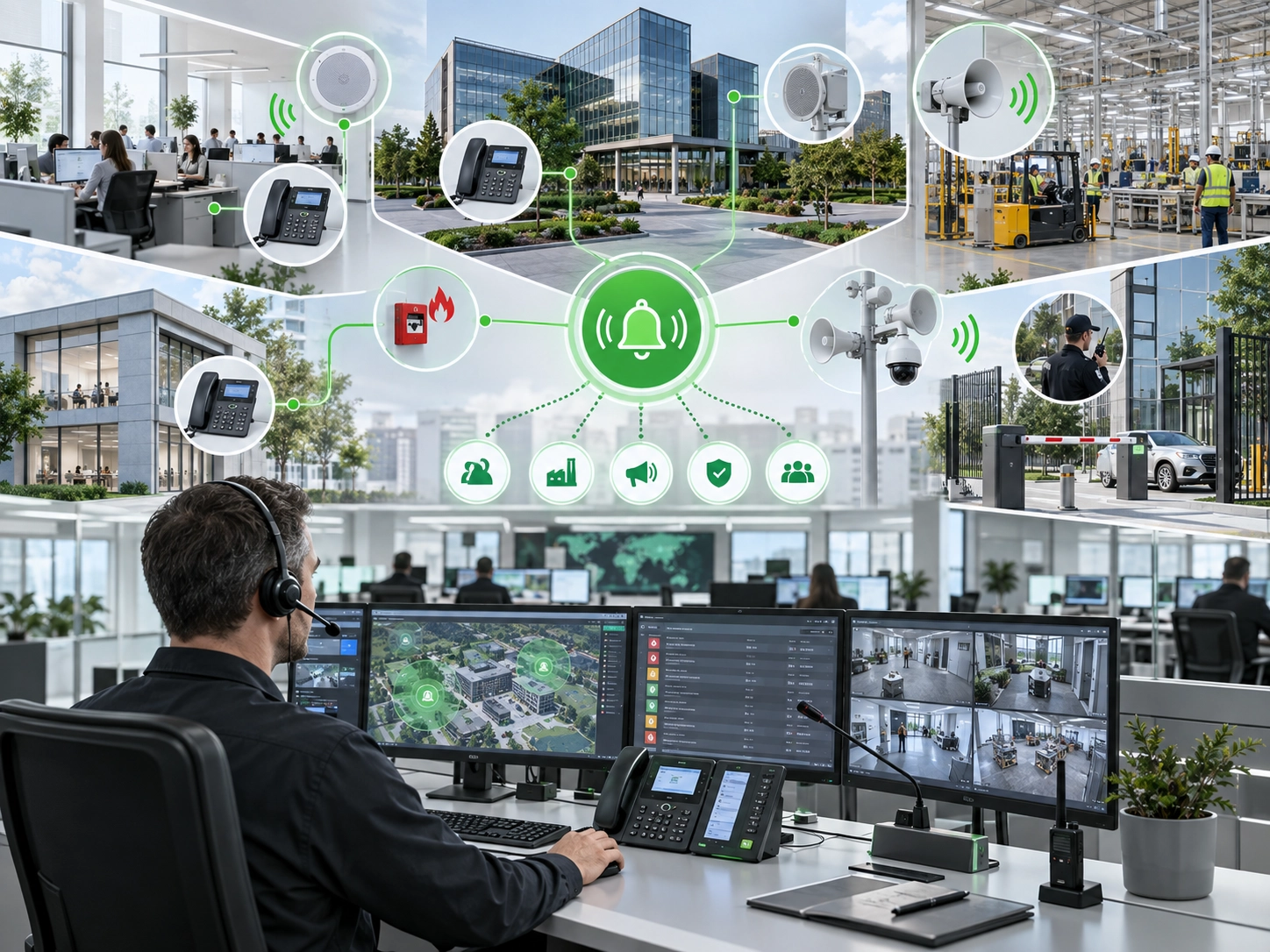
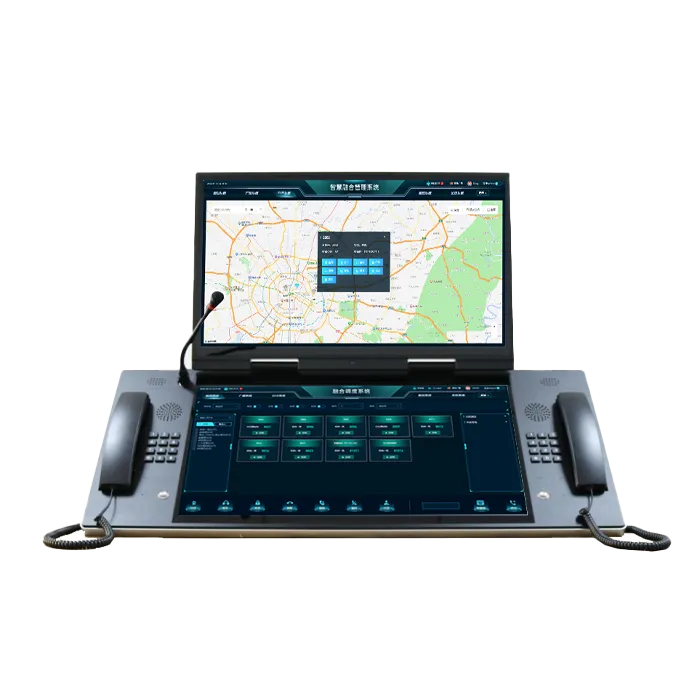
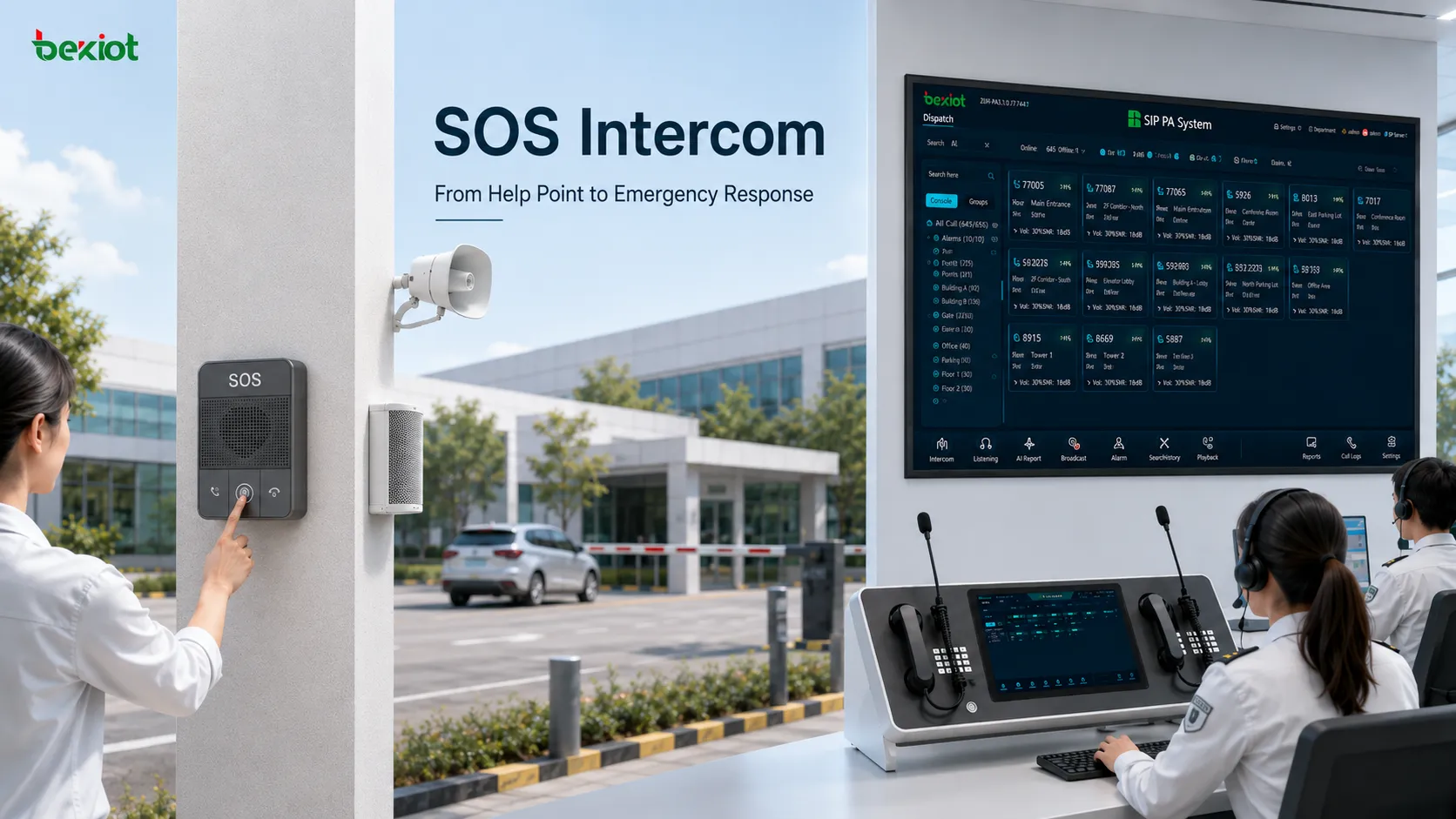
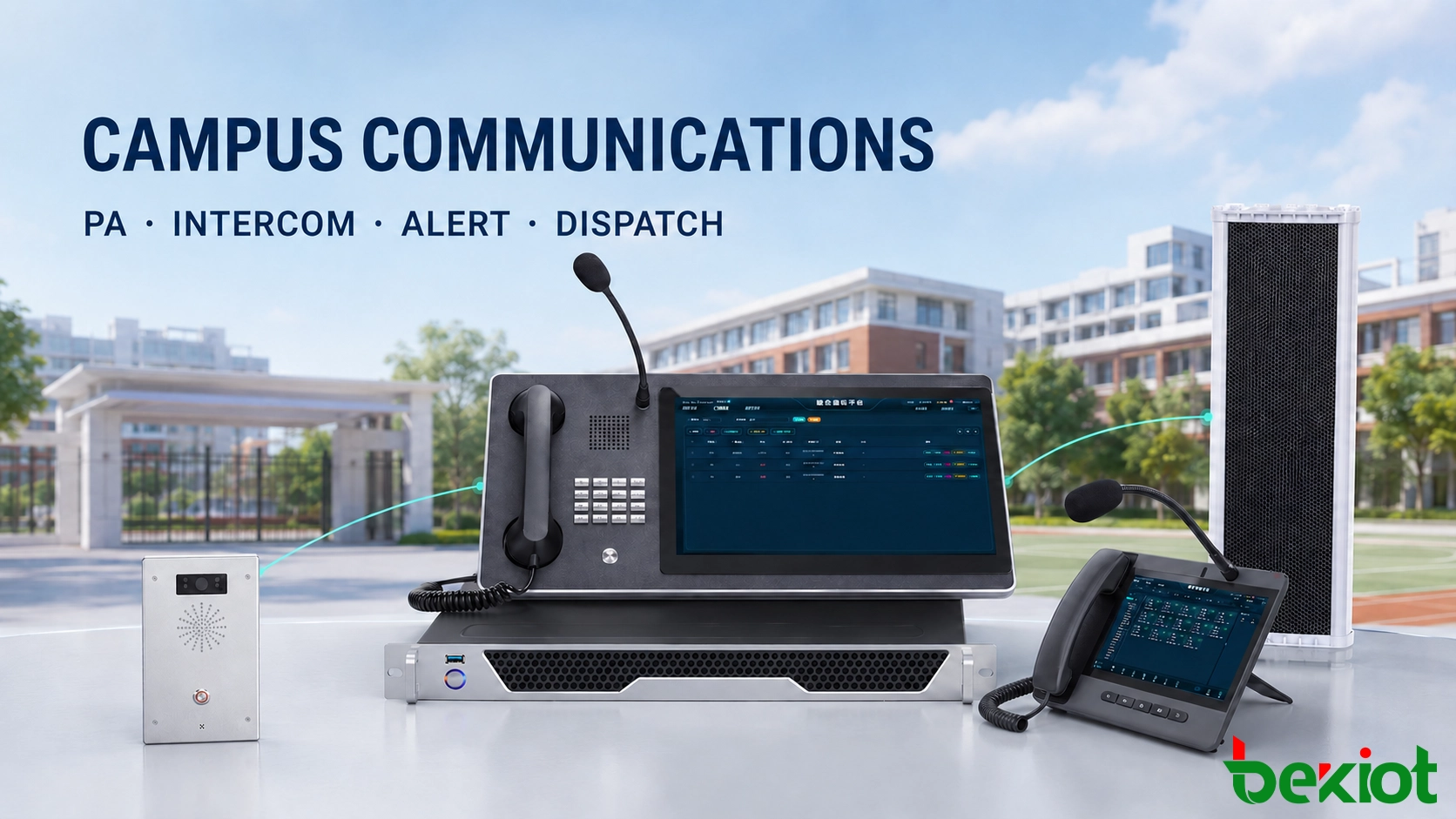
Large sites depend on many connected elements, so resilience must be designed across the whole communication path instead of a single endpoint.
Reducing Risk in High-Stakes Environments
Single-path systems are easier to break and easier to lose during a fault. Emergency designs are stronger when they include fallback options such as fixed help points, IP endpoints, radio coordination, mobile access, alternate network routes, and backup power. Redundancy does not remove every risk, but it lowers the chance that one damaged device or one failed link will stop the entire reporting process.
Continuous monitoring is equally important. Emergency communication should not be tested only after a failure. Organizations benefit from supervision of device status, link availability, power condition, alarm reporting, and event history. With better visibility, teams can detect abnormal behavior earlier and distinguish between routine faults, misconfiguration, and possible deliberate disruption.
Physical protection and access control also matter. Help points, dispatch consoles, gateways, radio equipment, cabinets, and network interfaces should be protected and administratively controlled. The more open and unmanaged a critical endpoint is, the easier it becomes to disable or misuse. Good practice includes role-based access, configuration control, tamper awareness, and clear procedures for maintenance, incident review, and restoration.
Accurate event logs help reconstruct the sequence of events when a communication issue occurs. They show whether a call was attempted, whether a device went offline, when an alarm changed state, and how operators responded. That record is valuable for troubleshooting, accountability, training, and improving the design of future systems.
The strongest emergency communication systems are designed for clarity, redundancy, supervision, and fast recovery under stress. By treating communication as a critical safety function rather than a background utility, organizations can reduce the impact of both accidental failures and deliberate interference.
Frequently Asked Questions
What are some early signs that emergency communication may be deliberately disrupted?
Repeated device outages without clear cause, unusual access patterns near help points, disabled alarm circuits shortly before an incident, or logs that show configuration changes outside maintenance windows can all suggest intentional interference. Monitoring these signals helps distinguish deliberate acts from ordinary hardware failure.
Are wireless jammers the only form of electronic interference?
No. Electronic interference can also include hacking into communication devices, rerouting calls, injecting false alerts, or exploiting software vulnerabilities. Any action that degrades the availability or accuracy of emergency communication falls under the broader category of interference, even if it does not involve radio jamming.
How should staff respond if they suspect someone is interfering with a help point or emergency phone?
They should immediately report the suspicion to the control room or security team, avoid touching the affected equipment unless trained to do so, and document what they observed. Quick notification allows operators to verify the situation and switch to alternative communication paths if necessary.
Do emergency communication systems require backup power to be considered resilient?
Backup power is one important element, but resilience also depends on redundant network routes, multiple reporting methods, continuous monitoring, and tested recovery procedures. A system with battery backup but no alternate communication path may still fail if a single link is cut.
Can accidental misconfiguration cause the same impact as intentional interference?
Yes. A misconfigured router, a disabled alarm rule, or an incorrect VLAN assignment can block emergency calls just as effectively as a deliberate attack. That is why configuration control, peer review, and event auditing are critical parts of emergency communication management.