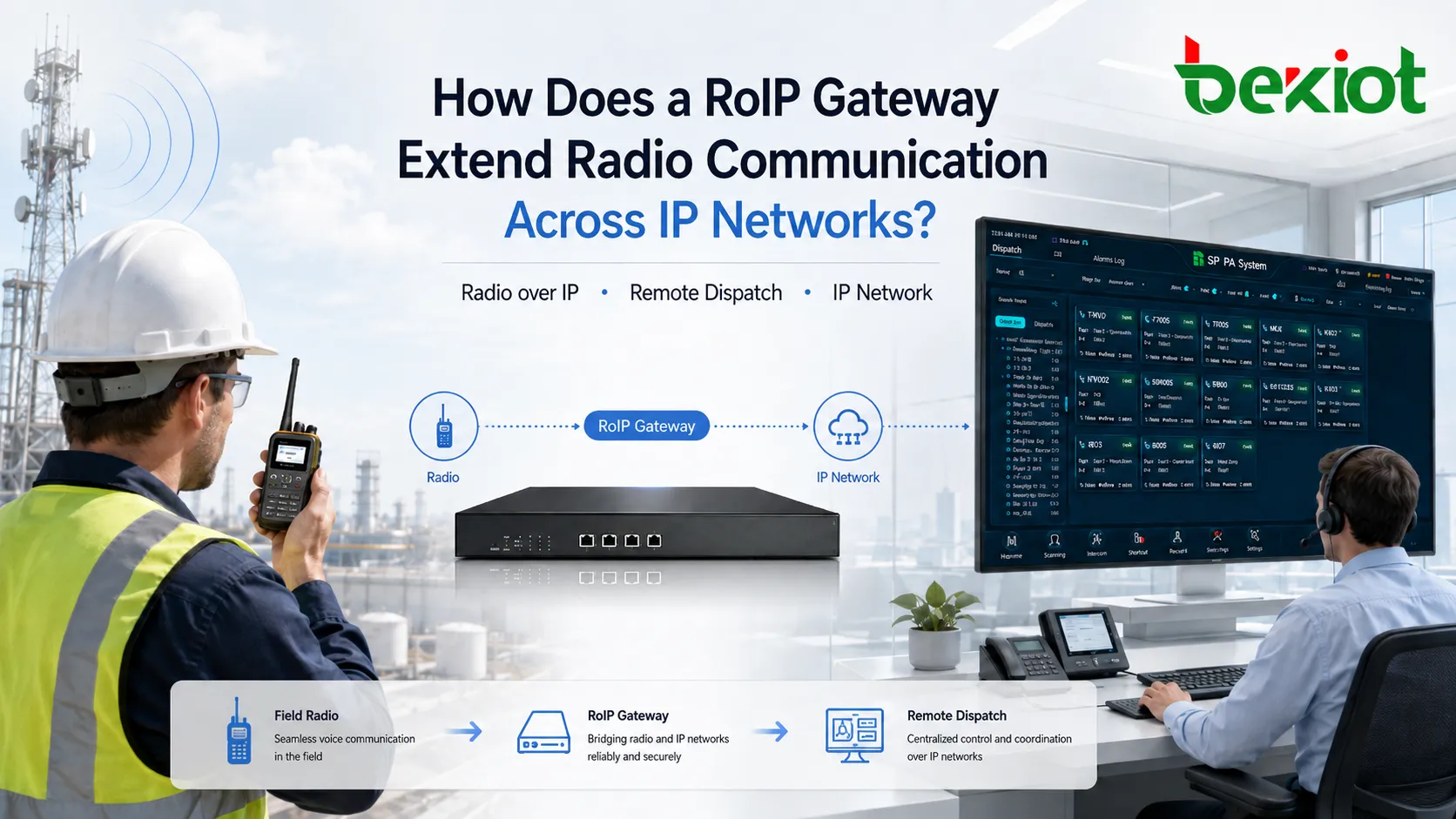
How Does a RoIP Gateway Extend Radio Communication Across IP Networks?
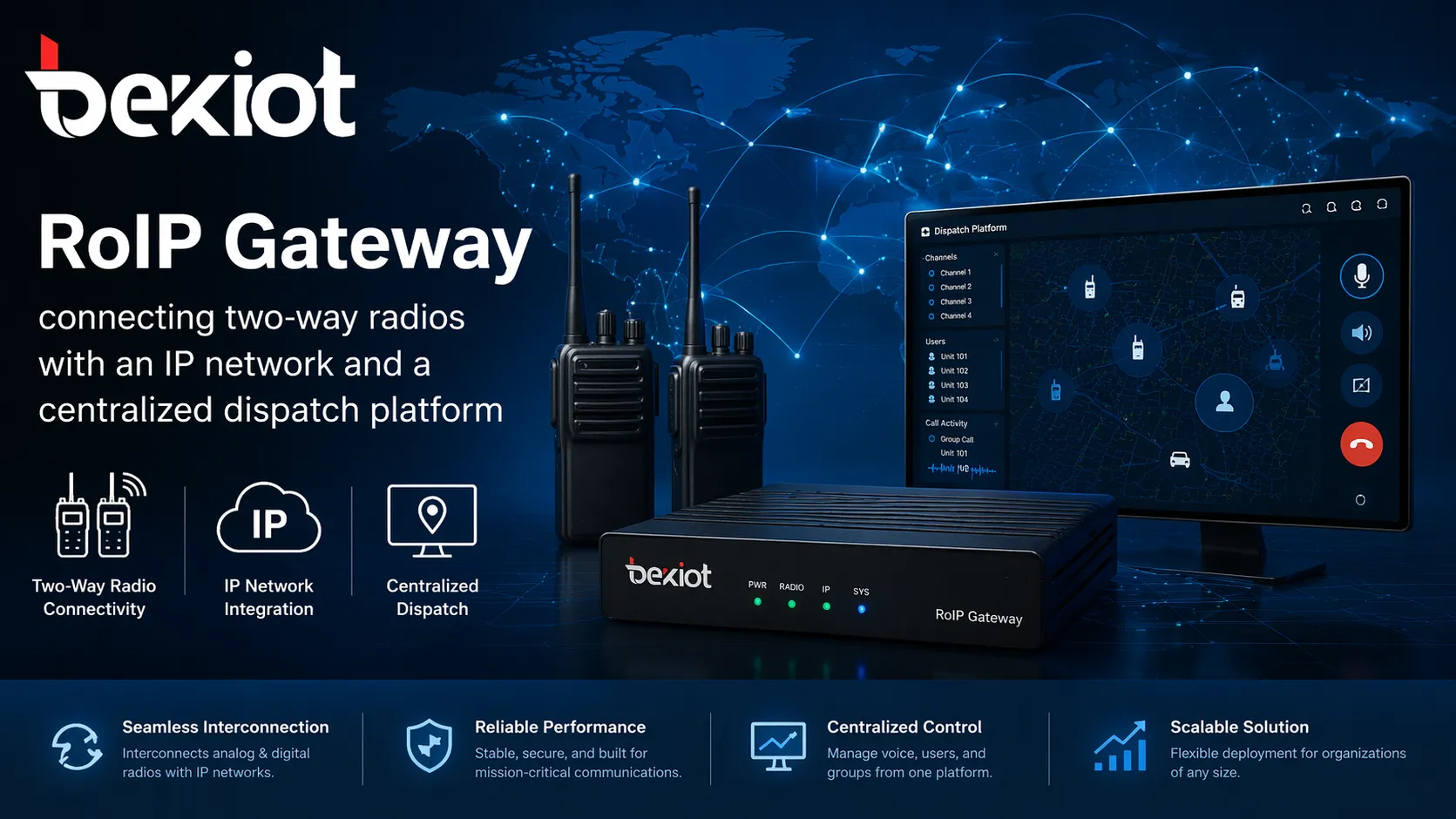
A RoIP gateway bridges two-way radio systems and IP networks, extending coverage beyond local sites, enabling centralized dispatch, and linking remote teams across LAN, WAN, or VPN infrastructure.
Becke Telcom
Walk into any active industrial site, utility yard, or transportation control room, and you will still hear radios. They remain hard to beat for one reason: push a button and you are talking to everyone on the channel, no dialing, no waiting, no dropped app sessions. For field crews working in noisy, fast-moving environments, that simplicity is not a luxury — it is how they stay safe and coordinated.
But the world around those radios has changed. Control rooms now run on IP networks. Dispatch software, recording servers, and monitoring platforms expect voice traffic to travel across LANs, WANs, and VPNs. A radio system that only works within the footprint of its own repeater tower increasingly feels like an island, even when the crews using it still need to talk to people miles away.
This is where a RoIP gateway comes in. Rather than forcing organizations to replace working radio equipment, it connects those radios to the IP layer so voice and control signals can travel wherever the network reaches. The radio stays in the field; the communication becomes part of a modern, networked architecture.
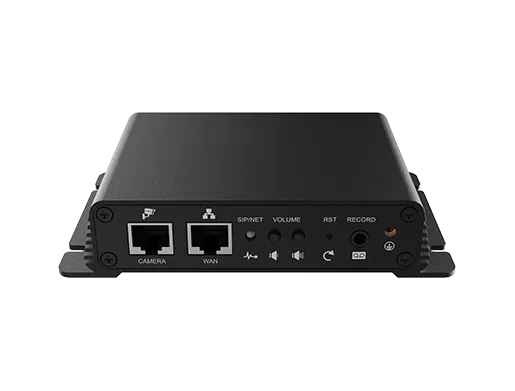
RoIP stands for Radio over IP, and a RoIP gateway is the device that makes the translation happen. On one side, it connects to a base radio, mobile radio, repeater, or another radio terminal. On the other, it plugs into an Ethernet network. Its job is to take the audio coming from radio users — along with control signals like push-to-talk events and channel activity — and package them as IP data that can traverse a local network, a wide area network, a private fiber link, or a secure VPN tunnel.
Think of it as a translator. A radio speaks in analog audio and electrical signaling; an IP network speaks in packets. The gateway sits between the two, converting in both directions so neither side has to change how it works. Field crews keep using their radios exactly as before. Dispatchers and remote operators gain access to those channels through software, IP phones, or other networked endpoints.
It is worth being clear about what a RoIP gateway is not. It is not a handheld radio, a base station, or a repeater. Those are parts of the radio system itself. The gateway is an interface layer — a bridge that links radio channels to networked applications, remote users, and command platforms. Because of that role, it tends to show up in projects where radio communications need to be shared, extended, monitored, or pulled into a broader operational system.
RoIP gateways connect radio systems to IP networks so voice traffic can be transported, extended, and managed beyond traditional radio coverage limits.
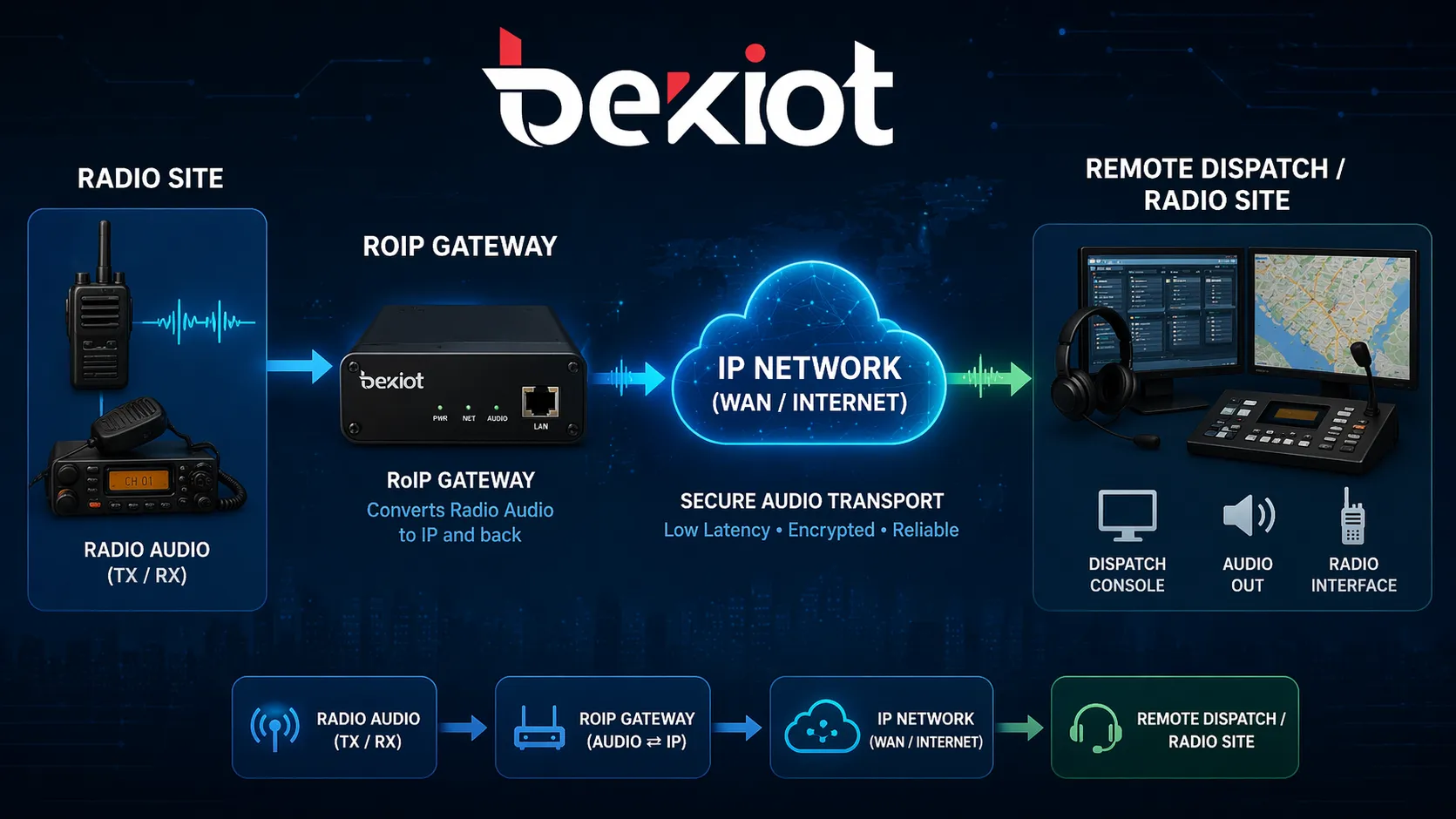
The signal path is straightforward once you see it. Radio audio enters the gateway, gets encoded and packetized, travels across the IP network, and arrives at a remote gateway, dispatch console, or software endpoint. There it is reconstructed into audio the operator can hear — and if the operator needs to transmit back, the same process runs in reverse. A dispatcher sitting in a control room can key a remote radio miles away as if it were on the desk in front of them.
This two-way capability is what turns RoIP from a passive audio feed into an operational tool. It is not just about listening to a remote channel. It is about being able to talk back, coordinate multiple field teams, and connect radio systems that would otherwise have no way to reach each other.
Why Radio Teams Are Moving to IP
Organizations do not typically deploy a RoIP gateway because they are chasing the newest technology. They do it because their existing radio systems have hit a practical wall. A single-site radio setup works fine when everyone operates within a few miles of the same tower. Once operations spread across multiple facilities, cities, or service territories, the limitations start to show. Coverage is bounded by terrain and antenna placement. Connecting separate radio sites or different frequency bands is expensive and complicated. And pulling radio traffic into modern software-based dispatch platforms is often difficult without a network interface.
A RoIP gateway addresses these problems without requiring a rip-and-replace of the radio infrastructure. By placing radio traffic on an IP network, it extends effective coverage to any location with network connectivity. A crew speaking on a radio at one site can be heard at a distant site, a regional dispatch center, or even a backup command location — as long as the network path exists and the system is configured to route the traffic correctly.
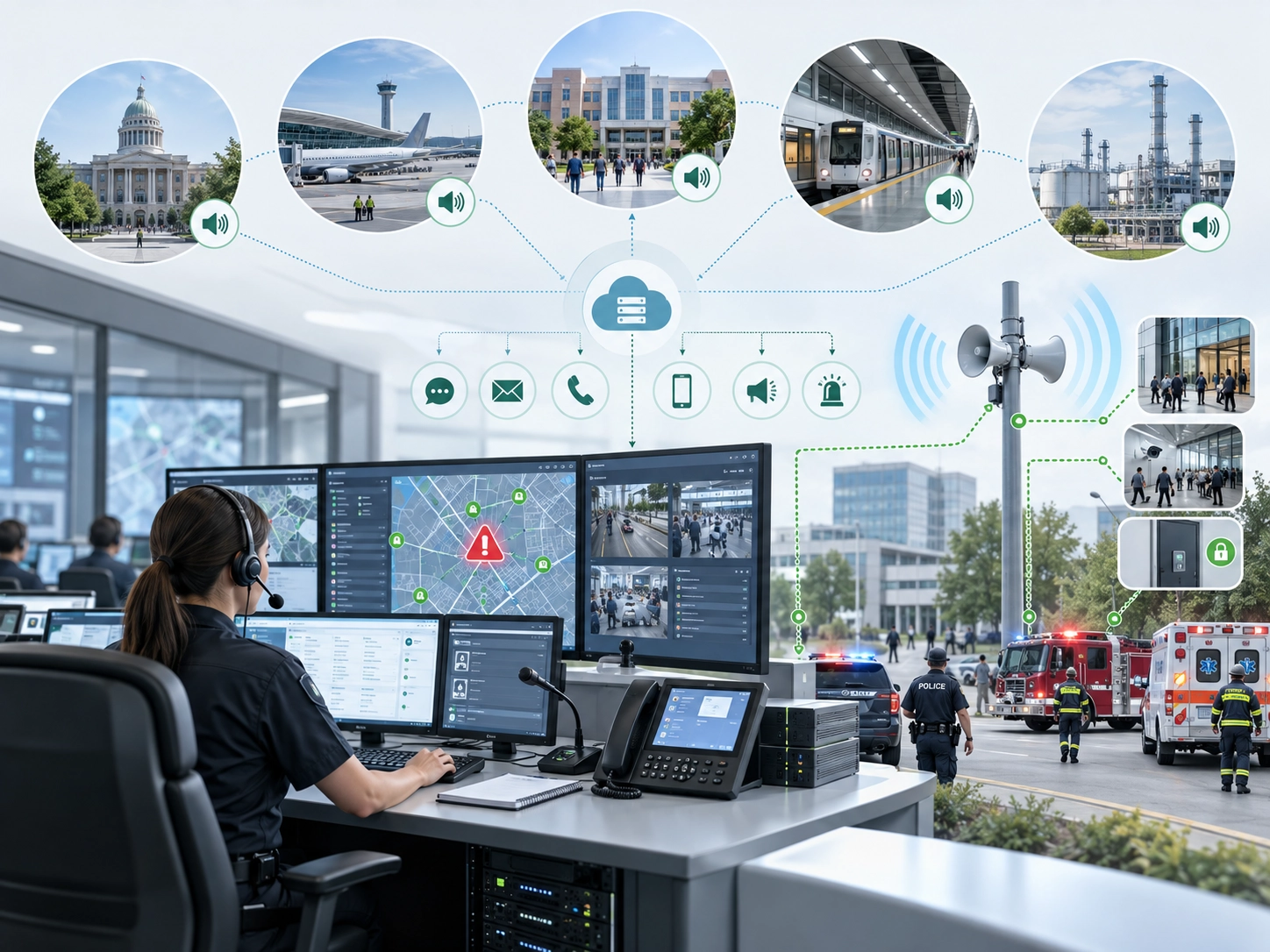
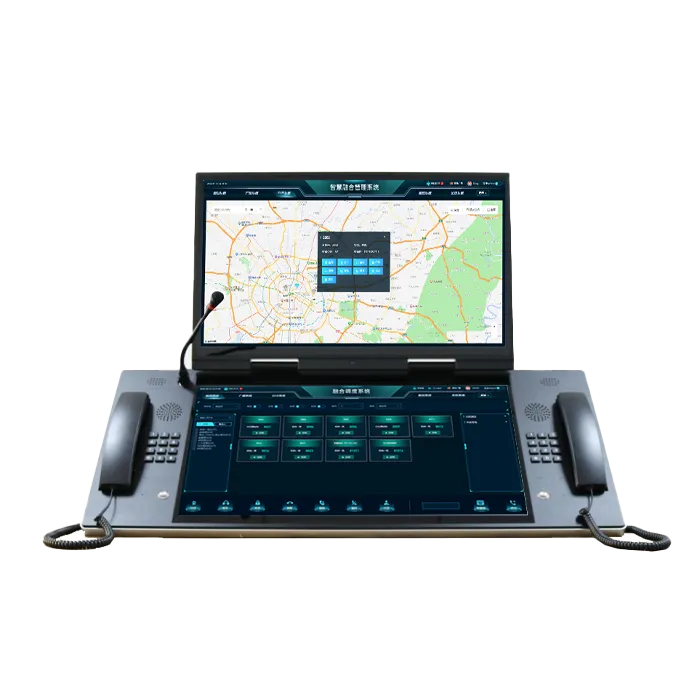
A typical RoIP workflow carries radio audio from the field into the gateway, across the IP network, and out to a remote dispatch position or connected radio site.
Centralized dispatch is another major driver. When radio channels are accessible through the IP layer, a dispatcher in one location can monitor and manage communications from multiple sites, talk groups, or operational areas. They can listen to field channels, communicate with remote users, manage traffic priorities, and coordinate response activities with a clearer real-time picture of what is happening across the operation. Recording, maintenance, network supervision, and event logging also become more consistent when radio resources are reachable through the network rather than locked inside isolated hardware.
The integration story matters too. Modern communication environments rarely rely on a single device type. Field teams use radios, supervisors use dispatch software, and managers work from IP communication platforms. A RoIP gateway can sit alongside SIP telephony environments, voice recording platforms, network management tools, and unified communication or emergency command systems. That interoperability is what allows radio traffic to become part of a broader, more modern communication framework rather than a separate silo.
Scalability is often the deciding factor for organizations planning ahead. Because the IP network provides a flexible transport layer, adding new sites, channels, operator positions, or linked radio resources can usually be done in stages. A system that starts with a few linked radios can grow to support wide-area dispatch, remote access, multi-site coordination, and stronger communication continuity planning — without rebuilding the entire architecture each time.
Where RoIP Fits in Real Operations
RoIP gateways tend to appear wherever operations are geographically spread out, response times matter, and field radio users need to stay connected to a central point or to other sites. The specific use cases vary, but the underlying need is consistent: radio communication must cross distances and organizational boundaries without losing the simplicity that makes radio valuable in the first place.
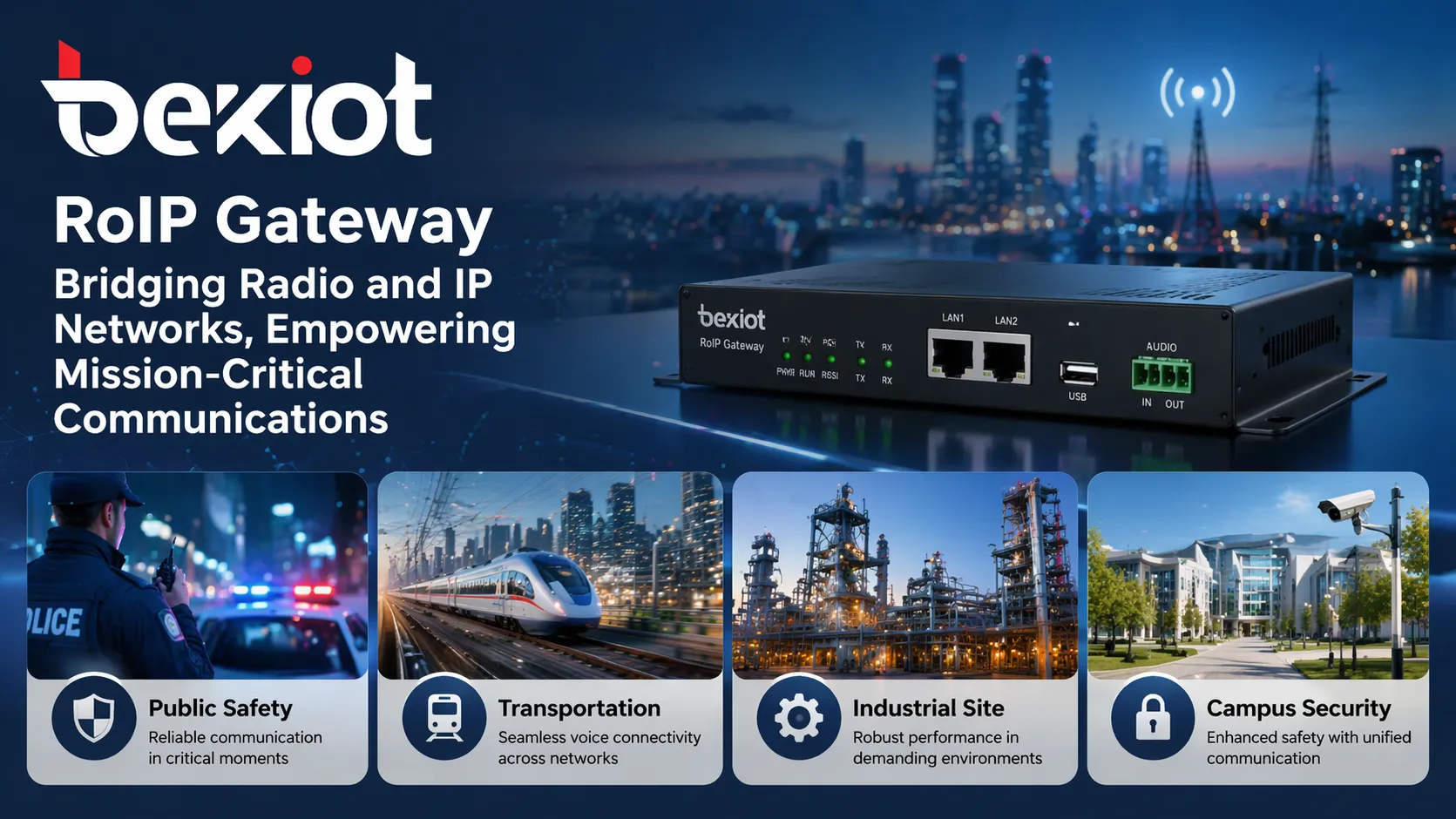
RoIP gateways are widely used in public safety, transportation, industry, utilities, and large-site security environments where remote radio coordination is required.
In public safety and emergency response, police, fire, rescue, and emergency management teams often need to coordinate across multiple operational areas. A major incident may draw units from different jurisdictions, each with its own radio system. RoIP allows those channels to be shared with centralized dispatch centers, mobile command posts, and remote support locations, giving command staff a broader picture and faster coordination paths when seconds count.
Transportation networks — rail transit, metro systems, highways, airports, and ports — cover large and operationally complex areas. Field workers, maintenance teams, security staff, and control center personnel all depend on radio, but they may be spread across stations, corridors, terminals, and control rooms. Linking those field communications to the IP backbone creates a more unified environment that supports both routine operations and emergency incident handling.
Industrial, energy, and mining sites often combine broad production areas, hazardous zones, outdoor operations, and remote facilities where radio remains the most practical method. In oil and gas, power generation, mining, manufacturing, and heavy industry, RoIP connects field radio users with supervisors, dispatchers, and control room teams. For organizations running more than one plant, pit, yard, or operating block, it also helps link separate radio resources into a more manageable networked structure.
Utilities and critical infrastructure — electric power, water treatment, pipeline operations, and municipal maintenance — work across distributed assets by definition. Crews may be dispatched over wide territories while supervisors monitor from central facilities. RoIP gives radio traffic a broader and more controllable transport path over the existing IP backbone or secure network infrastructure, supporting both everyday field coordination and incident response for services that cannot afford long communication gaps.
Even large campuses — universities, hospitals, industrial parks, and commercial complexes — find value in RoIP, though the driver is less about extreme distance and more about organized communication management. Security patrols, facility response teams, and operations staff stay radio-based in the field, while supervisory staff gain centralized access and better coordination tools through the network.
Choosing the Right RoIP Gateway
Not every RoIP gateway is the same, and the right choice depends heavily on the environment it will serve. The first thing to evaluate is compatibility with the radio systems already in use. Different radio environments use different signaling methods, interface types, and channel structures. A gateway that works cleanly with one brand or model may require significant adaptation with another, so matching the gateway to the existing equipment is usually more important than chasing headline specifications.
Beyond compatibility, several practical factors deserve attention. Network reliability determines whether radio traffic will arrive consistently across the IP path. Audio quality and latency control affect how natural and responsive the communication feels — a delay of even a fraction of a second can make push-to-talk conversations awkward in fast-moving field situations. Remote maintenance capability matters because gateways are often deployed at unmanned or hard-to-reach sites. And the ability to integrate with dispatch consoles, recording platforms, SIP telephony, or management systems determines whether the gateway becomes a seamless part of the operation or a standalone piece of hardware that creates its own management burden.
In most real-world projects, the best gateway is not simply the one that moves audio. It is the one that fits the operational workflow, security requirements, and expansion plan of the organization deploying it.
Conclusion
A RoIP gateway is, at its core, a practical bridge. It takes the radio systems that field teams already know and trust and connects them to the IP networks that modern control rooms and command platforms depend on. By converting radio audio and control signals into network-transmissible data, it allows communications to travel farther, be managed more centrally, and become part of a wider operational framework — all without asking field crews to abandon the simplicity of push-to-talk.
For public safety agencies, transportation operators, industrial sites, utilities, and large security operations, RoIP supports a more flexible and scalable communication architecture. It preserves what makes radio indispensable — instant group calling, reliable field coordination, and no-nonsense operation — while adding the reach, control, and integration advantages of IP networking. In environments where coordination across distance is essential, a RoIP gateway is often less an optional add-on and more a foundational piece of a modern communication solution.
FAQ
Does deploying a RoIP gateway require replacing existing radios?
No. A RoIP gateway is designed to work alongside the radio equipment you already have. It connects to base stations, mobiles, or repeaters and translates their signals for the IP network, so field crews can continue using their existing radios without changes.
How is RoIP different from VoIP?
VoIP (Voice over IP) generally refers to telephone-style calls over an IP network, often between individual users. RoIP specifically carries radio traffic — including push-to-talk control, group calling, and channel behavior — across IP networks, preserving the operational characteristics of radio communication rather than replicating a phone call.
Can RoIP work over the public internet?
Technically yes, but most mission-critical deployments prefer private networks, dedicated WAN links, or VPN tunnels for security, predictable latency, and reliability. Public internet may be acceptable for non-critical or backup use cases depending on the organization's risk tolerance.
What happens if the IP network goes down?
The local radio system continues to function independently within its own coverage area. RoIP extends radio communication across the network, but it does not replace the underlying radio infrastructure. Organizations with strict continuity requirements often design redundant network paths and fallback procedures to minimize disruption.
How many radio channels can a single RoIP gateway support?
Channel capacity varies by product model and configuration. Some gateways handle a single channel, while others support multiple channels or talk groups simultaneously. The right capacity depends on the number of radio channels you need to bring onto the network and the dispatch architecture you are building.