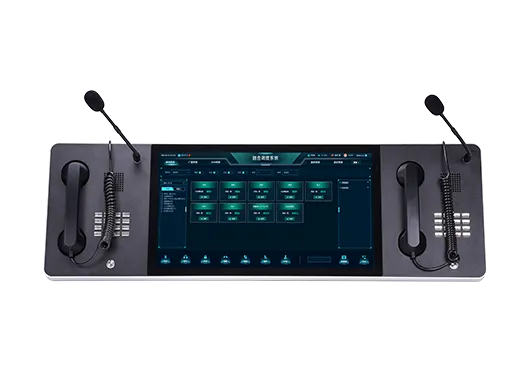
Class I, Division 1 explained for hazardous gas and vapor areas, covering location meaning, OSHA and NEC context, gas groups, temperature codes, protection methods, IP/NEMA limits, equipment selection and industrial applications.
Becke Telcom
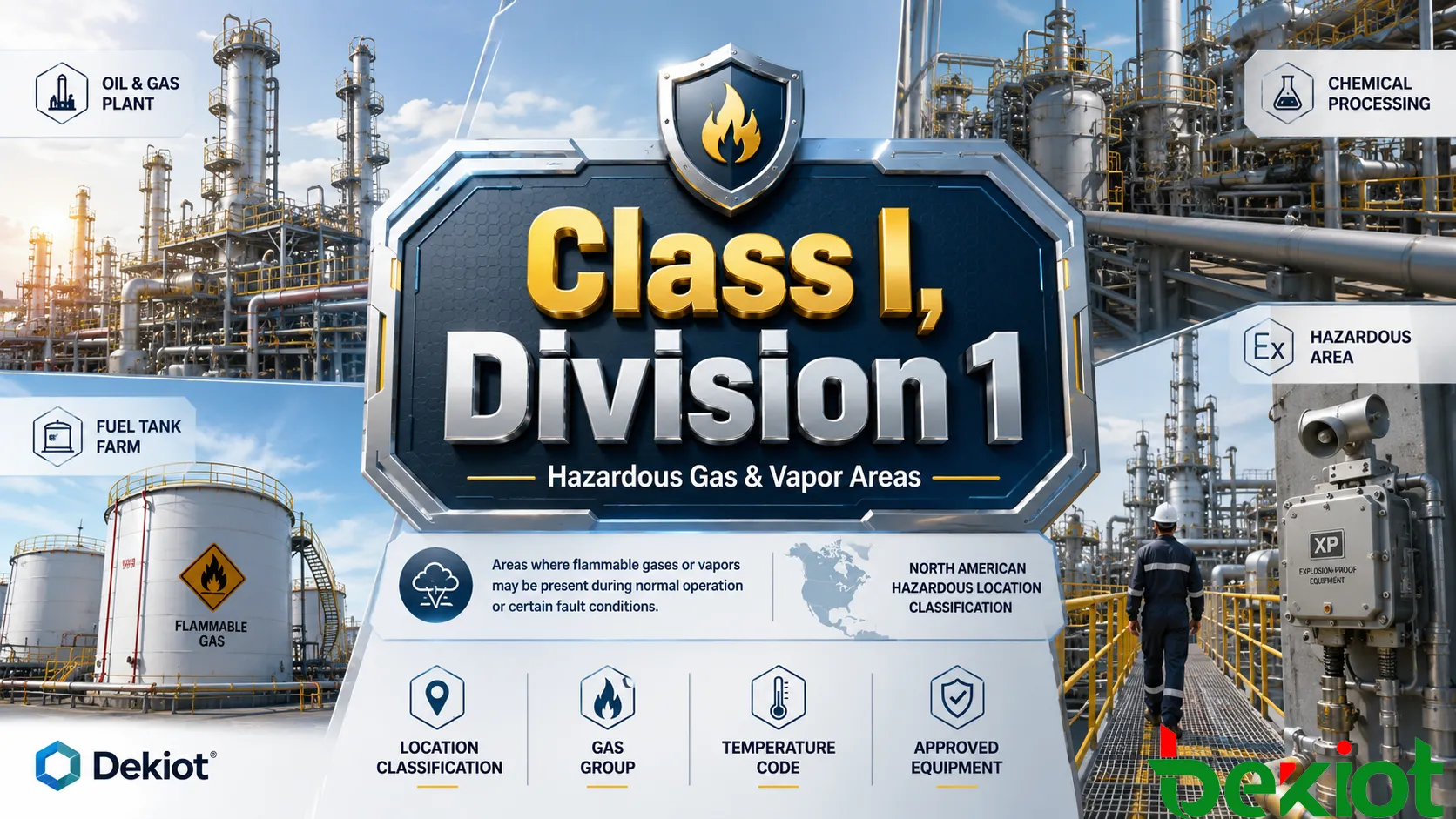
Class I, Division 1 is a North American hazardous location classification used for areas where flammable gases or vapors may be present in ignitable concentrations during normal operation, frequent maintenance, leakage, or certain fault conditions. In simple terms, it describes one of the more demanding gas-and-vapor hazardous area categories used in industrial electrical safety.
The term is often shortened to Class I, Div 1 or C1D1. It appears in project specifications, hazardous area drawings, product nameplates, electrical schedules, control panel documents, and procurement requirements for oil and gas, chemical processing, fuel handling, solvent use, spray finishing, and similar industrial environments.
The most important point is this: Class I, Division 1 is a location classification, not a product certification by itself. The area is classified first. Then the electrical equipment installed in that area must be approved, listed, or certified for the exact hazardous conditions involved, including the class, division, gas group, temperature code, and protection method.
Class I, Division 1 applies to locations where ignitable flammable gas or vapor concentrations may occur during normal operation or frequent release-related conditions.
Why the label matters
Class I, Division 1 affects more than the wording on a drawing. It influences equipment selection, wiring method, cable entry design, sealing practice, inspection routine, maintenance planning, and approval review. A standard industrial device may work well in a normal outdoor location, but it may become an ignition risk if installed in a gas-vapor hazardous area without the right approval.
For engineers and buyers, this classification is also a procurement filter. A product described as rugged, waterproof, stainless steel, corrosion-resistant, or heavy-duty is not automatically acceptable for Class I, Division 1. The full hazardous location marking must be checked before selection.
This is why shorthand descriptions can be risky. A device should not be selected only because a catalog says “explosionproof” or “hazardous area.” The actual marking must match the classified area and the gas or vapor present at the site.
How the term breaks down
The wording has two main parts. Class I identifies the hazard type. It means the location involves flammable gases, flammable liquid-produced vapors, or combustible liquid-produced vapors. Division 1 identifies the likelihood of that hazard being present in an ignitable concentration.
Division 1 means the hazardous atmosphere may exist during normal operation, may occur frequently because of maintenance or leakage, or may appear when equipment breakdown releases flammable vapor and creates a possible ignition source at the same time.
This is more severe than Class I, Division 2. In Division 2, ignitable concentrations are not normally expected during standard operation. In Division 1, the release possibility is part of the normal or frequently expected risk picture of the process area.
Which rules shape it
In the United States, OSHA hazardous location rules provide the regulatory foundation for hazardous area classification and equipment use. In practical design and installation work, the Class/Division system is closely associated with the National Electrical Code, also known as NFPA 70.
The NEC hazardous location articles guide how areas are classified, how wiring methods are selected, and how electrical equipment should be used in classified locations. For many industrial projects, the hazardous area drawing, equipment nameplate, and installation practice are reviewed against this code environment.
Product standards also matter. UL 1203 is widely associated with explosionproof and dust-ignitionproof electrical equipment for hazardous locations. UL 913 is widely associated with intrinsically safe apparatus and associated apparatus for use in Division 1 hazardous locations.
How markings are checked
A complete hazardous location marking contains more than “Class I, Division 1.” The marking should identify whether the equipment is approved for the correct class, division, gas group, and temperature range. It may also show the protection method or approval basis.
This matters because different gases and vapors have different ignition characteristics. A product that is acceptable for one gas group may not be acceptable for another. A product with the wrong temperature code may also be unsuitable, even if the enclosure looks strong.
Marking Item
What It Shows
Why It Matters
Class
Type of hazard, such as flammable gas or vapor.
Confirms that the product is intended for the correct hazard category.
Division
Likelihood of the hazardous atmosphere being present.
Separates normal or frequent hazard conditions from abnormal-only conditions.
Group
Gas or vapor family.
Ensures the product matches the ignition characteristics of the material.
Temperature code
Maximum permitted surface temperature.
Helps prevent hot surfaces from igniting the atmosphere.
Protection method
Explosionproof, intrinsic safety, or another approved method.
Explains how the equipment controls ignition risk.
Gas groups guide selection
In Class I locations, gases and vapors are divided into Groups A, B, C, and D. These groups help define how demanding the atmosphere is and what equipment construction is required.
Group A: acetylene.
Group B: hydrogen and similar high-risk gases.
Group C: ethylene and similar gases or vapors.
Group D: propane and similar gases or vapors.
From a buying perspective, the gas group is not a minor detail. A device suitable for Group D service is not automatically suitable for Group B. If a project involves hydrogen-rich areas, acetylene, or other demanding atmospheres, the selection requirement becomes more restrictive.
Temperature codes prevent ignition
Hazardous location safety is not only about sparks or arcs. A hot surface can also ignite a flammable atmosphere if the surface temperature is high enough. That is why temperature classification is included in hazardous location markings.
Temperature codes, often written as T1, T2, T3, T4, T5, or T6, indicate the maximum surface temperature limit of the equipment. The selected equipment must remain below the autoignition temperature of the hazardous gas or vapor present.
This creates a practical selection question: is the equipment’s marked temperature code suitable for the actual atmosphere in the classified area? If the answer is no, the product may not be compliant even if it is otherwise rugged and explosionproof.
Protection methods differ
Class I, Division 1 equipment can use different protection methods. Two of the most common are explosionproof construction and intrinsic safety. Both can be valid, but they control ignition risk in different ways.
Explosionproof construction
Explosionproof equipment uses an enclosure designed to contain an internal ignition event and prevent flame propagation to the surrounding hazardous atmosphere. This method is often associated with heavy-duty enclosures, control devices, junction boxes, lighting fixtures, and field communication devices in process areas.
Intrinsic safety
Intrinsic safety takes a different approach. Instead of containing an internal explosion, the circuit is designed so it does not release enough electrical or thermal energy to ignite the hazardous atmosphere under defined fault conditions.
Intrinsic safety is commonly used for instrumentation loops, sensors, low-power communication circuits, handheld equipment, and control signals. It can reduce the need for heavy enclosures, but it requires proper system design, barriers, associated apparatus, and installation discipline.
Equipment for Class I, Division 1 service must be checked by the full marking set, including class, division, gas group, temperature code, and approval method.
Zone 1 is not identical
Class I, Division 1 is not exactly the same as Zone 1. They belong to different hazardous area classification systems. Class I, Division 1 comes from the traditional North American Class/Division method, while Zone 1 belongs to the Zone system used internationally and also recognized in some North American contexts.
In many projects, products may carry dual markings or be available in versions for both systems. That does not mean the two terms can be swapped freely in every specification. The correct approach is to follow the classification method used in the project documentation and the requirements of the authority having jurisdiction.
Where it often appears
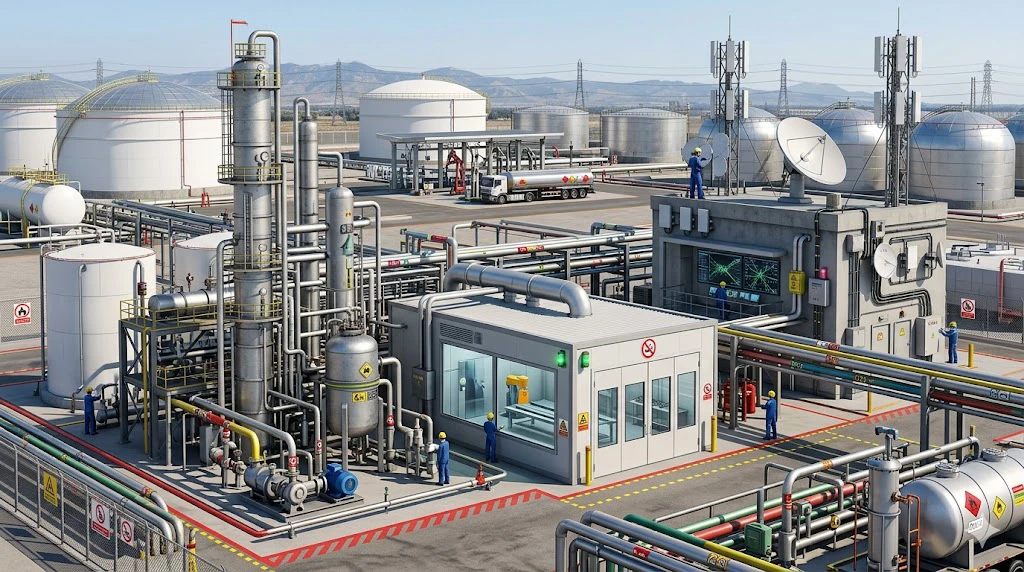
Class I, Division 1 conditions are commonly found near release sources where flammable gases or vapors may be present during routine work or frequent process-related activity. These areas are usually identified through a hazardous area classification study rather than by assumption.
Typical examples include volatile liquid transfer points, spray finishing areas using solvents, open tanks or vats containing flammable liquids, solvent drying rooms, gas generator rooms, inadequately ventilated pump rooms, and similar process zones.
Oil and gas areas
Well sites, production skids, separator areas, tank farms, loading racks, analyzer shelters, and hydrocarbon handling points may include Class I, Division 1 areas depending on release sources and ventilation conditions.
Chemical plants
Reactor zones, solvent transfer stations, blending sections, drum filling points, pumping bays, and process vessels can require Division 1 analysis where flammable vapor release is expected or frequent.
Paint and coating lines
Spray booths and nearby finishing zones remain classic examples because atomized or evaporated solvents can create ignitable atmospheres during normal operations.
Industrial communication points
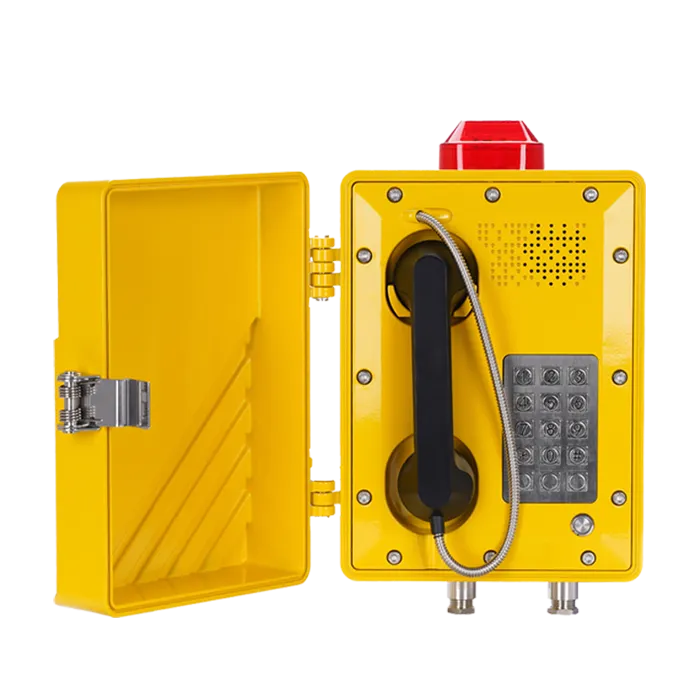
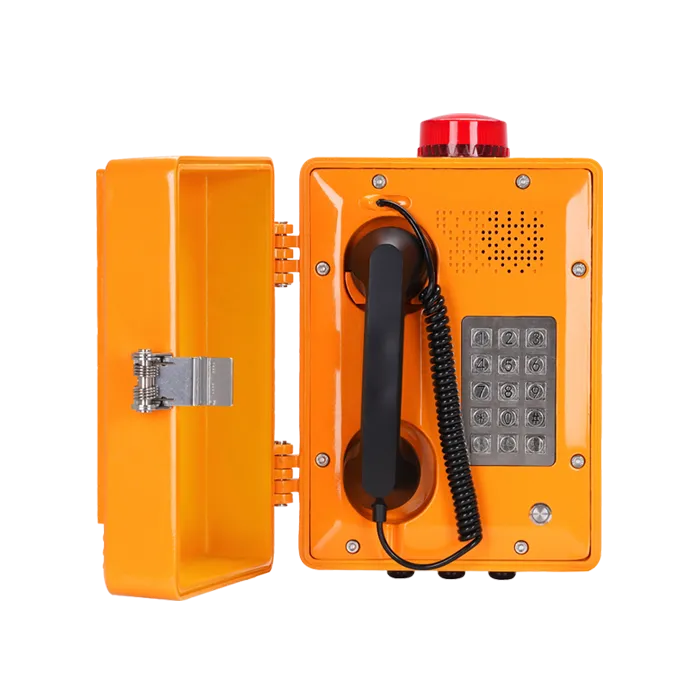
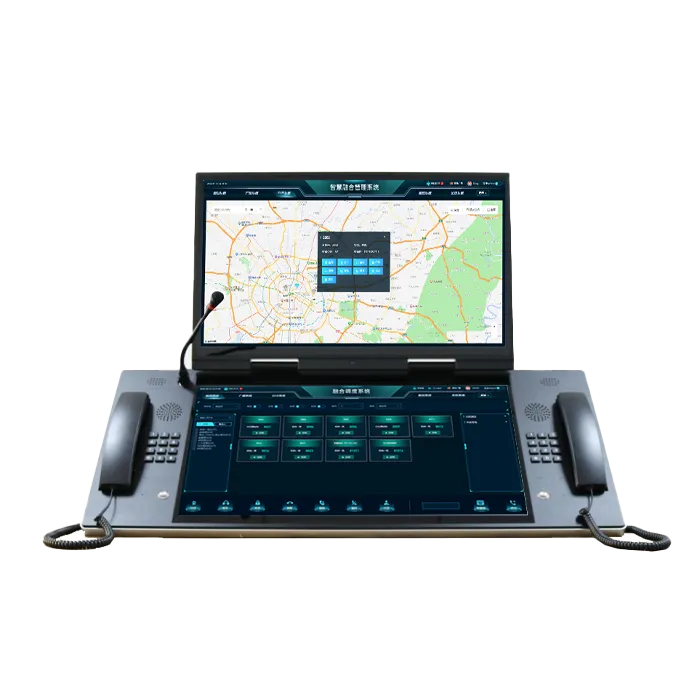
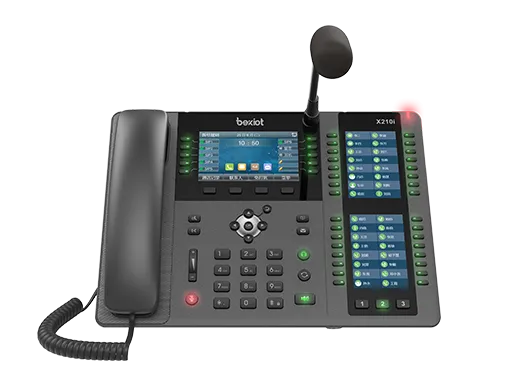
Explosionproof telephones, emergency call stations, warning lights, alarm sounders, paging terminals, and field intercoms may be required where personnel must communicate inside gas-vapor hazardous process areas.
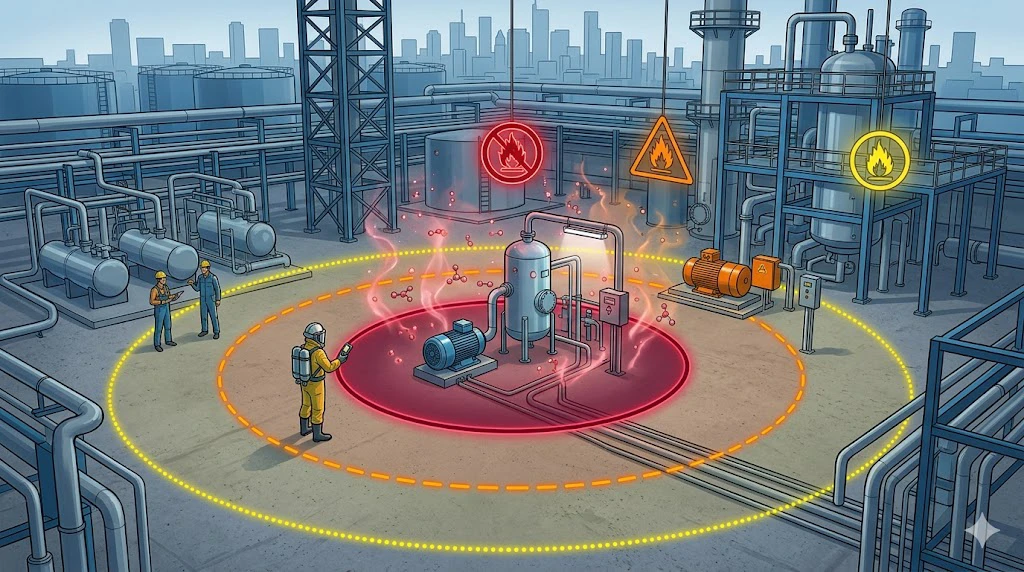
Hazardous locations are classified area by area according to release sources, ventilation, process layout, and the likelihood of ignitable gas or vapor concentration.
Environmental ratings are separate
Many buyers confuse hazardous location approval with environmental enclosure ratings. A device may be IP66, IP67, NEMA 4X, corrosion-resistant, or impact-resistant and still not be suitable for Class I, Division 1.
IP and NEMA ratings describe enclosure performance against water, dust, corrosion-related exposure, or general environmental conditions. A Class I, Division 1 approval addresses whether the product has been evaluated so it will not become an ignition source in the specified hazardous atmosphere.
In real installations, both may matter. An outdoor chemical area may require a device that is Class I, Division 1 approved and also weather-resistant, corrosion-resistant, and suitable for washdown. These ratings solve different problems and should be checked separately.
How selection should start
Equipment selection should begin with the classified area drawing and the actual hazardous material. Do not assume an entire facility is Class I, Division 1 simply because one part of the process handles flammable materials.
Confirm the exact classified area and boundary.
Identify the gas or vapor group.
Check the required temperature code.
Review the protection method and approval basis.
Verify installation details such as glands, seals, barriers, cable entries, and wiring methods.
Check environmental needs such as IP, NEMA, corrosion, UV, impact, and washdown exposure.
Read the full equipment label instead of relying on marketing shorthand.
Division levels should match
Equipment approved for Division 1 may generally be used in a Division 2 area of the same class and gas group. This is one reason some operators standardize certain critical products at the higher approval level for spare-parts convenience or operational consistency.
However, this does not mean every project should automatically choose Division 1 hardware everywhere. Division 1 equipment can be larger, heavier, more expensive, or more restrictive in installation and maintenance. Good engineering still starts with correct area classification.
Common mistakes matter
Misunderstanding
Why It Is Wrong
Better Practice
Class I, Division 1 means explosionproof only.
Intrinsic safety can also be used when approved for the application.
Check the approved protection method, not only the enclosure style.
Waterproof means suitable for C1D1.
Ingress protection does not prove ignition safety.
Check hazardous approval and environmental ratings separately.
The area classification is the certification.
The area is classified; equipment is approved for that classification.
Match the product marking to the classified area.
One approval covers every gas.
Gas group and temperature code still matter.
Confirm group and T-code for the actual material present.
Final selection logic
Class I, Division 1 is one of the most important hazardous location classifications in North American industrial practice because it covers gas and vapor atmospheres that may become ignitable during normal operation or frequent release-related conditions.
The safest selection habit is straightforward: classify the area correctly, identify the actual gas or vapor, check the group and temperature code, confirm the protection method, and then verify the full equipment marking. That process leads to better safety, cleaner compliance, and more reliable long-term operation than relying on shorthand labels or rugged enclosure claims alone.
FAQ
What is the difference between Class I, Division 1 and Division 2?
Class I, Division 1 covers areas where ignitable gas or vapor concentrations may exist during normal operation, frequent maintenance, leakage, or certain fault-related release conditions. Division 2 normally applies where the hazard is not expected during ordinary operation.
Is Class I, Division 1 the same as ATEX Zone 1?
No. They come from different classification systems. They may overlap in practical intent in some situations, and some products carry dual markings, but the terms are not automatically interchangeable.
Can intrinsically safe equipment be used in Class I, Division 1?
Yes. Intrinsically safe equipment approved for the relevant hazardous location can be used in Class I, Division 1 applications when the full system design and installation requirements are followed.
Does Class I, Division 1 include all required selection details?
No. You still need the gas group, temperature code, protection method, installation requirements, and often supplemental enclosure or environmental information.
Do IP or NEMA ratings replace hazardous approval?
No. IP and NEMA ratings describe environmental enclosure performance. Hazardous approval addresses ignition risk in a classified atmosphere. Many real projects require both.