What Does FCC Certification Mean for RF Devices in the U.S. Market?
FCC equipment authorization explained for U.S. market access, covering Certification, SDoC, RF device classification, Part 15, Part 18, testing, FCC ID labeling, RF exposure, wireless modules and compliance limits.
Becke Telcom
“FCC certification” is a common business phrase used when people discuss wireless devices, electronic products, routers, radio modules, IoT equipment, and industrial communication terminals for the United States market. In formal compliance language, the broader concept is FCC equipment authorization. Depending on the product, the path may be Certification or Supplier’s Declaration of Conformity, often shortened to SDoC.
The purpose is not to prove that a product is premium quality, waterproof, explosion-proof, corrosion-resistant, or suitable for every industrial environment. The main focus is radio-frequency behavior: emissions, spectrum use, interference control, labeling, user information, and, for certain products, RF exposure evaluation.
For manufacturers, importers, engineers, and buyers, the practical question is not only “Does this product have FCC?” The better question is: which rule parts apply, what authorization path was used, does the label match the grant or compliance statement, and has the final product been checked in the configuration that will actually be sold or installed?
Equipment authorization helps confirm that qualifying RF devices meet applicable U.S. technical and administrative requirements before marketing, importation, or use.
Why the U.S. approval path matters
Radio-frequency devices can affect other equipment and services around them. A poorly designed transmitter, noisy digital circuit, unsuitable antenna, unstable oscillator, or incorrect firmware power setting may create interference outside the intended operating range. In serious cases, interference can affect licensed communications, aviation-related systems, public safety channels, industrial networks, or nearby electronic equipment.
The FCC framework creates a legal and technical process for controlling these risks before products enter the U.S. market. It gives manufacturers a route to demonstrate compliance, gives importers and distributors a basis for market access review, and gives enforcement authorities a way to check whether a device was properly authorized.
For engineering teams, compliance can influence antenna selection, PCB layout, shielding, enclosure design, power control, firmware locks, user documentation, and product labeling. For procurement teams, it becomes a gate before a wireless or electronic product can be legally sold, imported, or deployed in many U.S. applications.
Scope starts with the type of device
The first step is device classification. Not every electronic product follows the same path. A product may be an intentional radiator, an unintentional radiator, or industrial, scientific, and medical RF equipment. Some products include multiple functions and may need more than one compliance review.
An intentional radiator deliberately generates and emits RF energy for communication or control. Examples include Wi-Fi routers, Bluetooth devices, cellular terminals, RFID readers, remote controls, wireless sensors, and radio modules. These products are often subject to more detailed authorization because they transmit radio signals intentionally.
An unintentional radiator does not transmit radio signals for communication, but it can still generate RF emissions as a by-product of digital operation. Computers, monitors, embedded controllers, industrial electronics, and digital peripherals may fall into this category. They may not need a transmitter grant, but they still need to meet applicable emission requirements.
ISM equipment uses RF energy for industrial, scientific, medical, or similar non-communication purposes. Examples may include RF heating, processing, treatment, or certain industrial energy applications. These products are often handled under a different rule focus from normal communication transmitters.
Main rule areas to review
Equipment authorization is built on Title 47 of the Code of Federal Regulations. The exact rule parts depend on the device type, frequency band, transmitter function, and intended use. In many everyday product reviews, the most common areas include authorization procedures, unlicensed RF devices, ISM equipment, labeling, RF exposure, and device-specific guidance.
Rule or Review Area
What It Usually Covers
Why It Matters
Part 2 Subpart J
Equipment authorization procedures, including Certification and SDoC
Defines the basic approval route and responsible-party obligations
Part 15
Unlicensed intentional and unintentional radiators
Applies to many wireless, digital, and consumer/industrial electronic devices
Part 18
Industrial, scientific, and medical RF equipment
Applies where RF energy is used for non-communication purposes
RF Exposure
SAR, MPE, mobile or portable use conditions
Important for devices used near the body or installed close to people
Connects the physical product with its authorization record and user conditions
KDB Guidance and Test Methods
FCC guidance, ANSI C63.4, C63.10, and related procedures
Helps define how products are tested and documented
Two authorization routes
The two main routes are Certification and Supplier’s Declaration of Conformity. They are not interchangeable marketing terms. The correct route depends on the equipment type, applicable rules, transmitter function, and risk profile.
Certification
Certification is the formal grant-based route. The product is tested, documentation is prepared, and an application is reviewed by the FCC or a Telecommunication Certification Body. If accepted, the equipment receives an FCC ID, which is shown on the product label or e-label.
This route is commonly used for many intentional radiators, wireless modules, cellular devices, Wi-Fi and Bluetooth transmitters, and other equipment that requires formal authorization before marketing. The grant helps identify the approved configuration, technical parameters, and conditions under which the equipment was authorized.
Supplier’s Declaration of Conformity
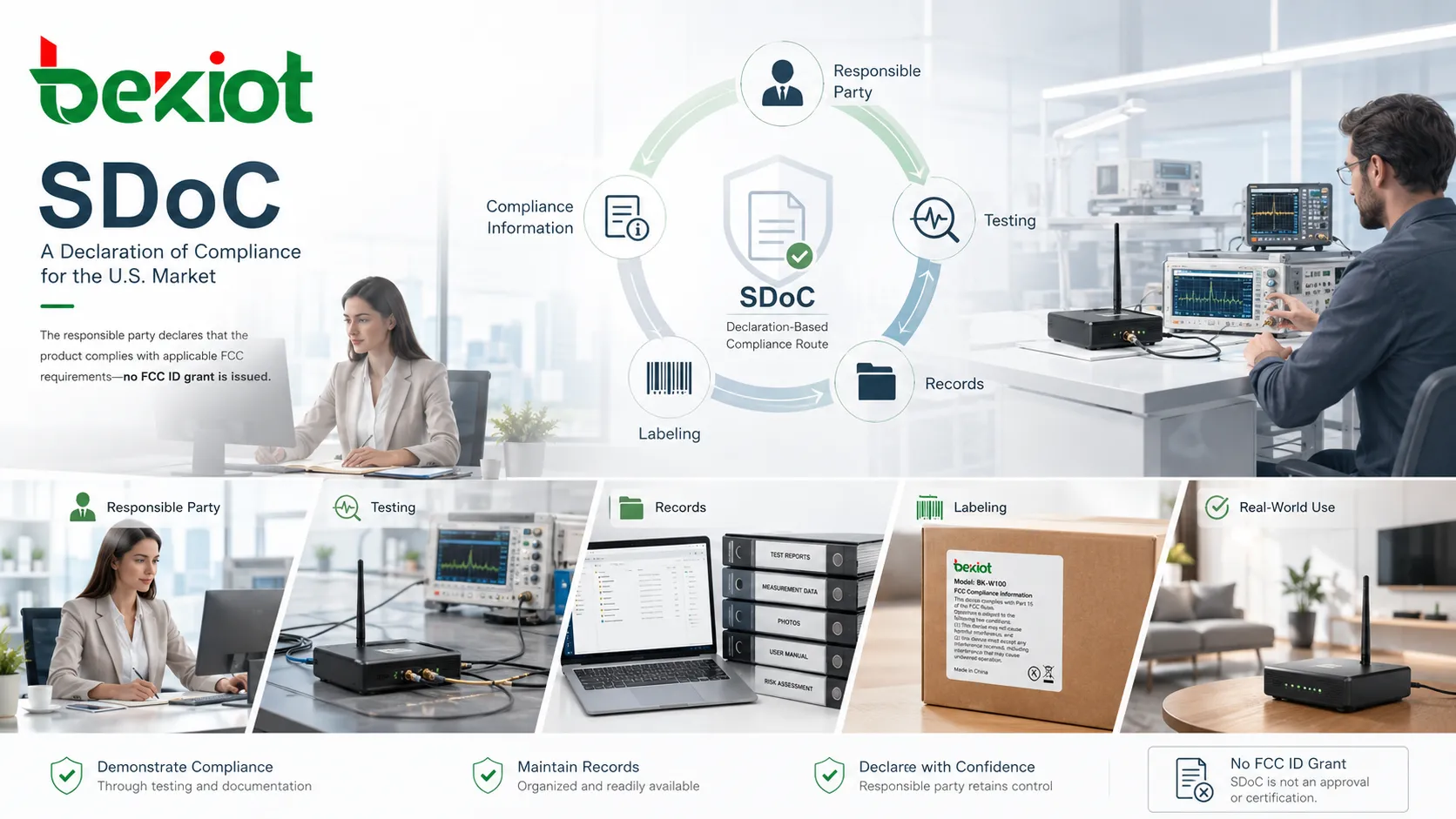
SDoC is a responsible-party declaration route. The responsible party ensures that the equipment has been tested and shown to comply with the applicable rules, maintains the required records, and provides compliance information. It does not normally result in an FCC ID grant.
SDoC is often used for certain unintentional radiators and other products where the rules allow this path. Although it may sound simpler, it still requires proper testing, records, labeling information, and responsible-party control.
Item
Certification
SDoC
Approval style
Formal grant issued after application review
Responsible party declares conformity and keeps records
FCC ID
Required for equipment authorized under Certification
Not normally assigned through SDoC
Common use
Many intentional radiators and radio transmitters
Many unintentional radiators where permitted
Documentation
Test report, technical exhibits, photos, manuals, labeling, application materials
Test records, compliance information, responsible-party details, user information
Key risk
Approved configuration may not match final marketed product
Responsible party may underestimate recordkeeping and testing obligations
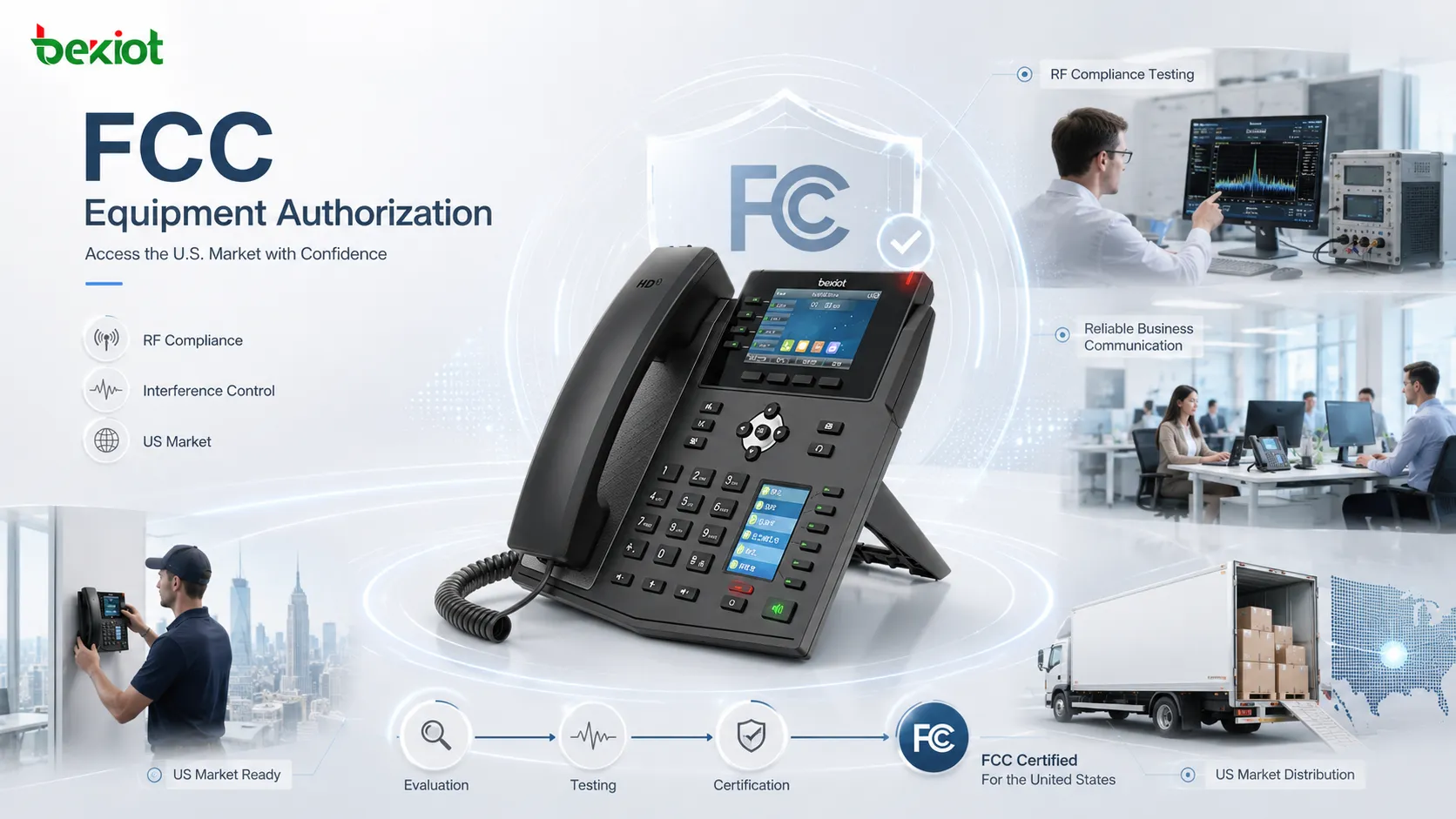
A typical compliance pathway starts with device classification and rule selection, then moves through testing, documentation, authorization, labeling, and market entry.
How the review works in practice
A practical compliance process starts before testing. The engineering team first confirms whether the product is an RF device subject to FCC authorization. Then it identifies the applicable rule parts, operating bands, transmitter functions, antenna configuration, power levels, and intended installation conditions.
Testing may include radiated emissions, conducted emissions, output power, occupied bandwidth, spurious emissions, band-edge behavior, frequency stability, receiver or digital device emissions, and other measurements required by the rule part. For mobile or portable devices, RF exposure evaluation may also be needed.
Documentation is then prepared. For a Certification path, this may include test reports, operational descriptions, block diagrams, schematics, internal and external photos, label information, user manuals, RF exposure documents, and confidentiality requests where allowed. For SDoC, the responsible party must keep appropriate compliance records and provide the required user information.
Classify the product and confirm whether equipment authorization is required.
Identify the applicable rule parts, frequency bands, and authorization route.
Perform required RF, EMC, emission, and RF exposure testing where applicable.
Prepare test reports, product photos, labeling details, manuals, and technical exhibits.
Submit through the Certification path when a grant is required, or keep SDoC records when that path is permitted.
Apply the correct label, FCC ID, compliance statement, or e-label information.
Maintain records and control product changes after market release.
Modules, antennas, and host products
Wireless modules are one of the most common sources of misunderstanding. A pre-certified module can reduce the compliance workload, but it does not automatically authorize every final product that contains it. The final host product must still follow the conditions of the module grant.
Antenna type, antenna gain, separation distance, enclosure material, installation position, power supply noise, firmware settings, and co-located transmitters can all affect the final compliance result. A module tested with one antenna inside a plastic enclosure may behave differently when installed with another antenna inside a metal industrial housing.
Co-location is also important. If a product combines Wi-Fi, Bluetooth, cellular, GNSS, RFID, or other transmitters, the final configuration may create RF exposure or emission conditions that were not covered by the original module approval. In that case, additional testing, permissive change review, or new Certification may be needed.
A pre-certified radio module simplifies the work, but the final product still needs host-level verification against the module conditions, antenna configuration, enclosure, firmware, and co-located transmitters.
What laboratories and reviewers check
The test scope depends on the device, but the review generally focuses on whether the product stays within its authorized technical limits and avoids harmful interference. For transmitters, this includes power, bandwidth, frequency behavior, unwanted emissions, and antenna-related conditions. For digital devices, it includes conducted and radiated emissions from circuits that may generate RF noise.
RF exposure is another important topic. Portable devices used close to the body may need SAR evaluation. Mobile or fixed devices may require MPE assessment based on output power, antenna gain, distance from people, and installation conditions. The evaluation should match how the product will actually be used.
User documentation and labeling are also part of the review. A device may require warnings, installation instructions, antenna limitations, compliance statements, operating conditions, or separation-distance information. These details are not optional decorations. They help keep the marketed product within the authorized use conditions.
What the label proves and what it does not
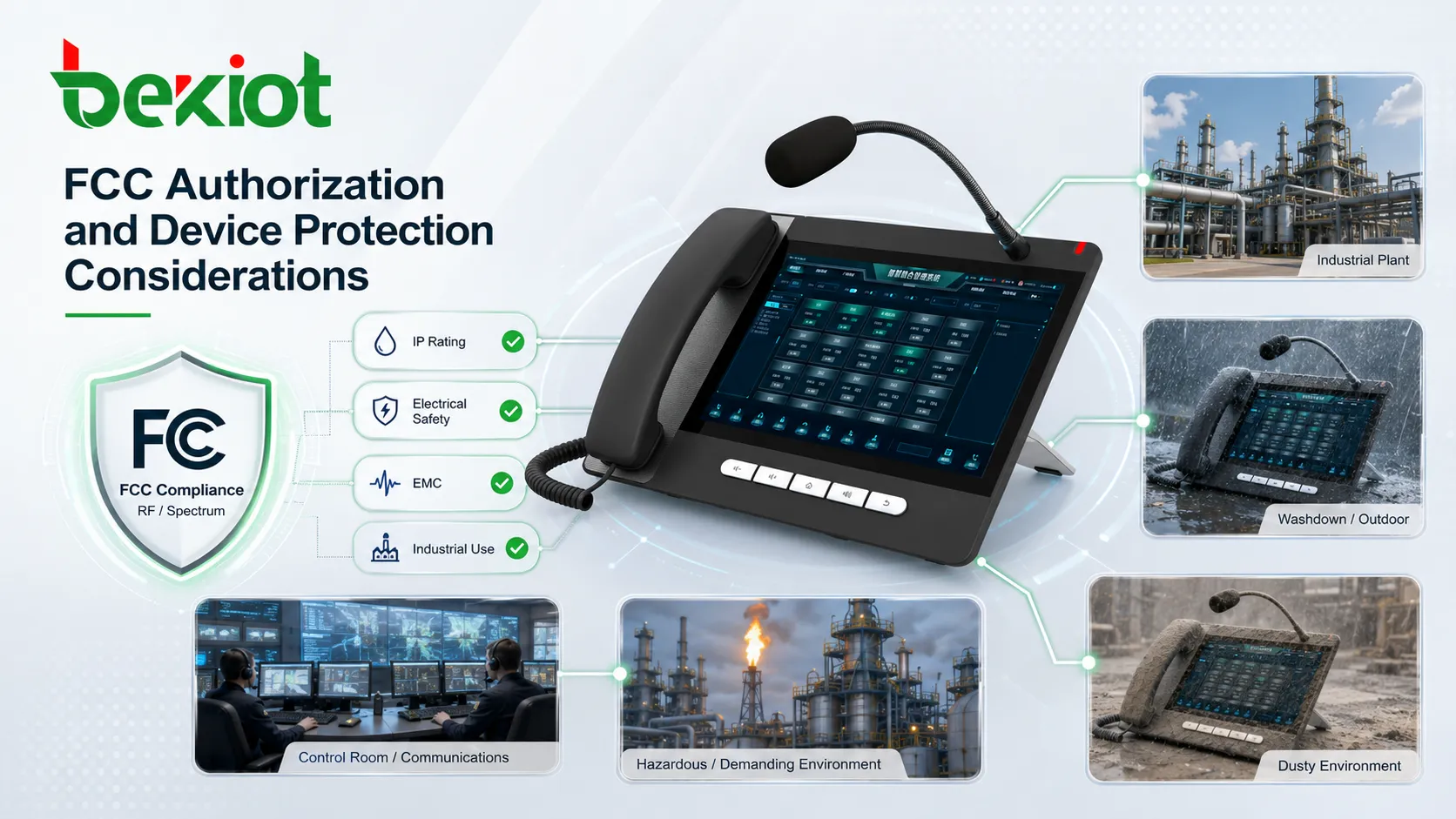
FCC authorization is mainly an RF and spectrum compliance mechanism. It helps show that a covered device followed the appropriate U.S. authorization route for its radio-frequency behavior. It does not prove environmental durability, electrical safety in every application, hazardous-location suitability, corrosion resistance, waterproofing, impact resistance, or industrial reliability.
This distinction matters in industrial procurement. A wireless terminal may be compliant for U.S. RF rules but still need a separate IP rating for rain or washdown, a safety approval for electrical hazards, ATEX or HazLoc approval for explosive atmospheres, or additional testing for railway, marine, offshore, mining, or heavy-industry use.
FCC Authorization Can Indicate
It Does Not Automatically Indicate
The RF device followed an applicable U.S. authorization route.
The product is waterproof, explosion-proof, or corrosion-resistant.
Emissions, output power, bandwidth, or other RF parameters were assessed as required.
The product is suitable for every industrial, outdoor, marine, or hazardous environment.
The product may require an FCC ID, compliance statement, or user information.
The product has UL, ATEX, IECEx, HazLoc, IP, IK, or safety approval.
The final configuration should match the tested or declared configuration.
Any antenna, enclosure, firmware, or module combination can be used freely.
In product selection, U.S. RF authorization should be reviewed together with environmental, safety, and application-specific ratings.
Where compliant products are used
Many products entering the U.S. market need some form of RF or digital device compliance review. The requirement depends on device function, operating frequency, transmitter type, and rule part.
Wireless consumer electronics
Smartphones, tablets, wearables, routers, Bluetooth accessories, drones, remote controls, and smart home devices often require review for transmitter behavior, emissions, labeling, and RF exposure.
Telecom and networking equipment
Access points, cellular routers, repeaters, gateways, radio modules, and networked communication terminals require careful review of antenna configuration, firmware power control, operating bands, co-location, and user documentation.
Industrial and IoT devices
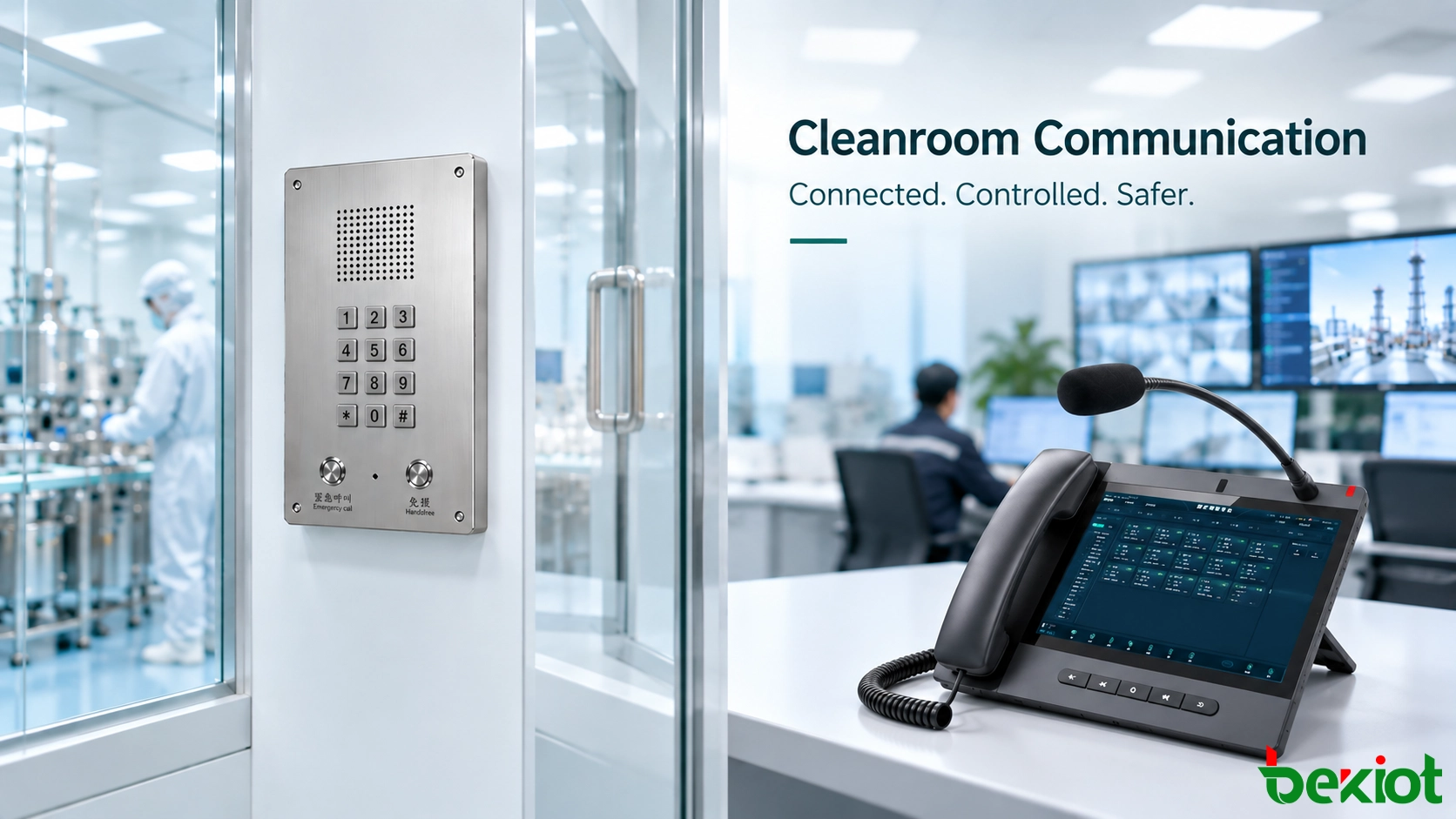
Wireless sensors, handheld terminals, RFID readers, remote monitoring nodes, industrial gateways, smart meters, and field communication devices may need RF compliance review together with IP rating, EMC design, cybersecurity requirements, and system-level integration checks.
Computing and digital peripherals
PCs, monitors, embedded controllers, digital boards, and peripherals may be unintentional radiators even if they do not contain a radio transmitter. These products can still generate RF emissions and may need the appropriate conformity route.
ISM RF energy equipment
Industrial heating systems, medical treatment equipment, RF processing devices, and similar products may fall under ISM equipment requirements. Their compliance focus can differ from normal communication transmitters because the RF energy is used for processing or treatment rather than data transmission.
Other approvals still need review
For real-world deployment, U.S. RF compliance is often only one part of the product approval picture. A device used outdoors may need an ingress protection rating. A device installed in a hazardous area may need HazLoc, ATEX, IECEx, or another explosion-protection approval. A product connected to mains power may require safety evaluation. A rugged terminal may need impact, vibration, temperature, or corrosion testing.
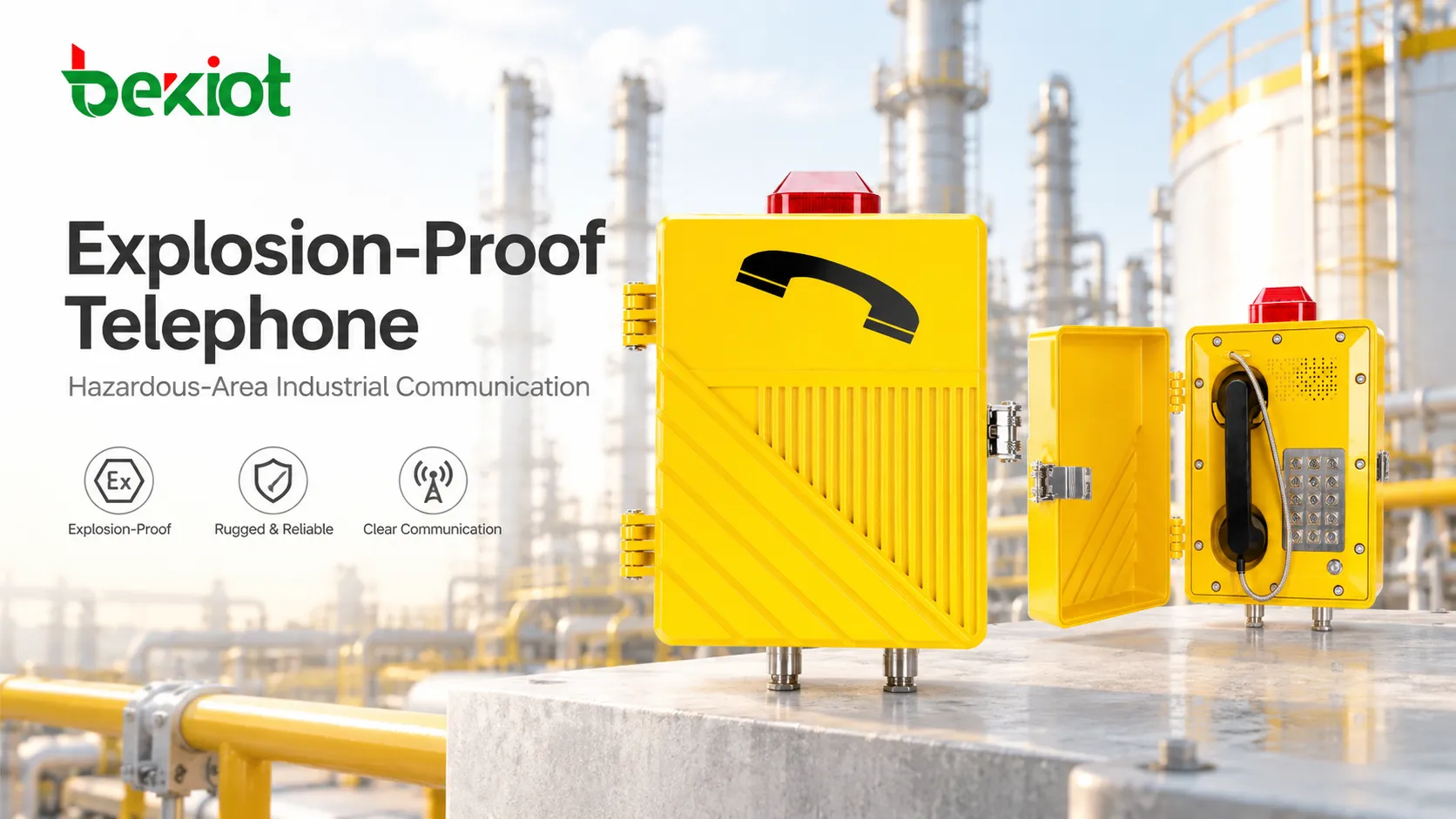
This is especially important for industrial communication products. A wireless intercom, gateway, router, or handheld terminal may be legally marketable from an RF perspective, but still unsuitable for a refinery, offshore platform, tunnel, mine, chemical plant, or outdoor utility site unless the environmental and safety ratings also match the application.
Common mistakes and better fixes
Mistake
Why It Is a Problem
Better Fix
Assuming all electronics need the same approval route
Products may be intentional radiators, unintentional radiators, ISM equipment, exempt devices, or SDoC devices.
Classify the device first and identify the applicable rule parts.
Treating the label as a durability rating
RF authorization does not prove waterproofing, impact resistance, or hazardous-location suitability.
Check IP, IK, safety, HazLoc, ATEX, IECEx, or other application-specific approvals separately.
Relying only on a pre-certified module
Antenna changes, enclosure effects, firmware settings, and co-location may change compliance.
Verify the final host product against module grant conditions and test where required.
Ignoring RF exposure
Portable or mobile devices may need SAR or MPE evaluation.
Evaluate RF exposure based on real use distance, antenna gain, and power level.
Changing antenna or firmware after approval
Output power, gain, operating band, or emission behavior may no longer match the authorized configuration.
Control product changes and review whether permissive change or re-certification is required.
Forgetting manuals and user statements
Missing instructions or compliance notices can create labeling and market surveillance issues.
Prepare user information, operating conditions, and compliance statements as part of the release package.
How to judge market readiness
A product is not ready for U.S. market entry simply because it powers on, passes internal testing, or contains a radio module with an FCC ID. The first check is classification. The team should know whether the product is an intentional radiator, unintentional radiator, ISM device, or a mixed-function product.
The second check is configuration control. The tested antenna, enclosure, firmware, power setting, module, and user instructions should match the version that will be shipped. If the marketed product is different from the tested configuration, the compliance basis may need to be reviewed.
The third check is documentation. For Certification, the grant, FCC ID, test reports, label, user manual, RF exposure documents, and technical exhibits should align. For SDoC, the responsible-party information, test records, compliance statement, and user documentation should be complete and traceable.
The final check is application fit. If the product will be used in an industrial, outdoor, hazardous, marine, mining, transportation, or high-vibration environment, RF authorization should be reviewed together with safety, enclosure, environmental, and industry-specific requirements.
Final view
FCC equipment authorization, often called FCC certification in business discussions, is a legal and technical requirement for many RF devices entering the United States market. It helps manage interference, control spectrum use, support labeling consistency, and create a lawful route for marketing and importation.
It should not be treated as a universal safety, durability, or environmental certification. The best compliance strategy is to classify the device early, choose the correct authorization route, test the final configuration, control antennas and firmware, prepare accurate documentation, and review other approvals required by the real installation environment.
FAQ
Is FCC certification the same as equipment authorization?
In everyday language, “FCC certification” often refers to the broader equipment authorization system. Formally, Certification is one route, while Supplier’s Declaration of Conformity is another route used when permitted by the rules.
Do all electronic products need FCC approval?
No. The requirement depends on whether the product is an RF device, how it operates, and which rules apply. Some products may use SDoC, some may require Certification, and some may fall outside the normal authorization requirement.
What is an FCC ID?
An FCC ID is the identifier assigned to equipment authorized under the Certification procedure. It connects the product label or e-label with the grant record and approved configuration.
Does a pre-certified radio module cover the final product?
Not automatically. The final product must follow the module grant conditions. Antenna changes, metal enclosures, co-located transmitters, firmware power control, and installation distance can all affect the compliance result.
Does this approval mean a product is waterproof or explosion-proof?
No. It focuses on RF and spectrum compliance. Waterproofing, explosion protection, corrosion resistance, impact protection, and electrical safety must be verified through separate ratings or approvals.
What is the difference between Certification and SDoC?
Certification requires application review and a formal grant, usually with an FCC ID. SDoC is a responsible-party declaration route that still requires testing, records, labeling information, and compliance responsibility.