What Is FXS Gateway? Definition, How It Works, Features, and Applications
An FXS gateway connects analog phones, fax machines, and other legacy endpoints to a SIP or IP PBX system. Learn what an FXS gateway is, how it works, its features, and common deployment applications.
Becke Telcom
An FXS gateway connects analog endpoint devices to a SIP, VoIP, IP PBX, hosted PBX, or unified communications system. It is mainly used when a business wants to keep existing analog devices while moving the core voice platform to IP.
An FXS gateway allows analog subscriber devices to work inside a SIP or IP PBX environment.
What Is an FXS Gateway?
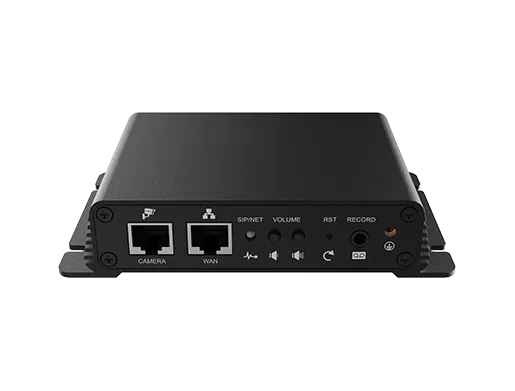
FXS stands for Foreign Exchange Station. An FXS gateway is a voice gateway with one or more FXS ports. Each port connects directly to an analog endpoint through an RJ11 or similar analog interface, while the gateway connects to the IP network through Ethernet.
The FXS side behaves like the telephone line provider. It supplies line power, dial tone, ringing voltage, and line supervision to the connected analog device. From the phone or fax machine’s point of view, the gateway works like the line it used to plug into.
On the IP side, the gateway communicates with a SIP server, IP PBX, softswitch, or cloud telephony platform. It converts analog voice into RTP media and translates user actions such as dialing, answering, and hanging up into SIP signaling.
FXS Gateway and ATA: Are They the Same?
The terms overlap, but they are not always identical. An ATA, or analog telephone adapter, is usually a small device with one or two FXS ports. An FXS gateway is the broader category and can also include larger multi-port or rack-mounted devices.
How an FXS Gateway Works
An FXS gateway sits between analog telephony and IP voice networking. On one side, it handles electrical line behavior for analog devices. On the other side, it uses SIP signaling and packet-based voice media to communicate with the IP voice platform.
When a user lifts an analog handset, the gateway detects the off-hook state because the loop current changes. It then provides or relays dial tone, collects dialed digits, applies the configured dial plan, and sends a SIP call request to the IP PBX, SIP server, or hosted voice platform.
For an incoming call, the process runs in reverse. The SIP platform sends a call request to the gateway. The gateway applies ringing voltage to the correct FXS port, sends caller ID if supported, and waits for the user to answer. Once the analog device goes off-hook, the gateway opens the voice path and converts media between analog audio and RTP packets.
Basic Call Flow
The analog endpoint goes off-hook or receives an incoming ring.
The FXS gateway detects the line state and handles the call event.
For outbound calls, it provides dial tone, collects digits, and matches the number against the dial plan.
On the IP side, it exchanges SIP signaling with the PBX, SIP server, or softswitch.
The DSP converts voice between analog audio and RTP media streams.
When the call ends, the gateway clears both call legs and restores the idle line state.
What the FXS Port Provides
The FXS port is not just a socket for an analog cable. It must create the subscriber-side telephone environment. That includes battery feed, ringing current, dial tone, busy tone, caller ID delivery, impedance matching, and disconnect supervision.
This is why port quality matters in real projects. A standard desk phone may work with simple settings, but elevator phones, emergency handsets, analog intercoms, fax machines, modems, and paging adapters can be more sensitive. Ring load, loop current, DTMF method, caller ID format, and fax handling should be checked before deployment.
The gateway converts analog user actions such as off-hook, dialing, answer, and hang-up into SIP signaling and RTP media sessions.
FXS Gateway vs FXO Gateway
FXS and FXO are often mentioned together because they are two sides of analog telephony. They are not interchangeable. An FXS gateway connects analog endpoint devices to an IP system. An FXO gateway connects analog lines, PSTN trunks, or legacy PBX trunk interfaces to an IP system.
A practical way to remember the difference is to look at what the port connects to. If the cable goes to an analog phone, fax machine, room phone, hotline phone, or intercom station, the IP side usually needs an FXS port. If the cable goes to a telephone company line or analog trunk from another PBX, the IP side usually needs an FXO port.
Item
FXS Gateway
FXO Gateway
Main purpose
Connect analog endpoint devices to an IP voice system
Connect analog telephone lines or trunks to an IP voice system
Port behavior
Provides battery, dial tone, ringing, and line supervision
Receives battery and ringing from the far-end line
Typical connection
Analog phone, fax machine, intercom, modem, speakerphone, room phone
PSTN line, central office line, analog PBX trunk, external line interface
Common use case
Keep analog endpoints during SIP or IP PBX migration
Keep analog outside lines during SIP or IP PBX migration
Easy selection rule
Choose FXS when you are connecting the endpoint
Choose FXO when you are connecting the line
Key Features of an FXS Gateway
The feature set depends on the model, port density, and target deployment, but most modern FXS gateways combine analog line functions, SIP interoperability, voice processing, remote management, and service continuity features.
1. Analog Endpoint Integration
The main job of an FXS gateway is to keep analog endpoints working in an IP voice system. Common connected devices include desk phones, wall phones, fax machines, lobby phones, hotel room phones, elevator phones, emergency phones, analog intercoms, paging interfaces, modems, and specialty terminals.
2. SIP and IP PBX Interoperability
Most FXS gateways are built for SIP-based networks. They may register directly to a SIP server, connect to an IP PBX, work with a hosted PBX platform, or operate in peer-to-peer mode. In migration projects, this interoperability helps organizations move to IP without replacing every field device at once.
3. Traditional Calling Features
Many gateways support caller ID, call waiting, call transfer, call forwarding, hold, do-not-disturb, three-way calling, hotline dialing, flexible dial plans, and message waiting indication. These features help analog users keep familiar phone behavior while gaining PBX-style call control.
4. Fax and Modem Support
Fax is still used in healthcare, logistics, procurement, administration, and compliance workflows. A capable FXS gateway may support T.38 fax relay, G.711 pass-through, and fax tuning options. Modem and alarm-panel use cases should be tested carefully because reliability depends on the device, codec policy, packet network, and SIP platform.
5. Voice Quality and DSP Processing
Analog voice can be affected by line conditions, impedance mismatch, gain levels, echo, packet delay, and jitter. FXS gateways commonly include DSP features such as echo cancellation, jitter buffer control, gain adjustment, tone generation, silence handling, and impedance tuning to keep calls stable.
6. Provisioning and Security
Enterprise and service-provider deployments often require remote provisioning, centralized configuration, and secure signaling. Depending on the model, an FXS gateway may support HTTPS provisioning, TR-069, SIP over TLS, SRTP, VLANs, access control, configuration backup, and remote monitoring.
7. Survivability and Continuity
Some FXS gateways include fallback or survivability features to keep selected phones working during WAN failure, SIP server interruption, or platform maintenance. This is useful for branch offices, emergency phones, industrial help points, security rooms, and other locations where basic voice access must remain available.
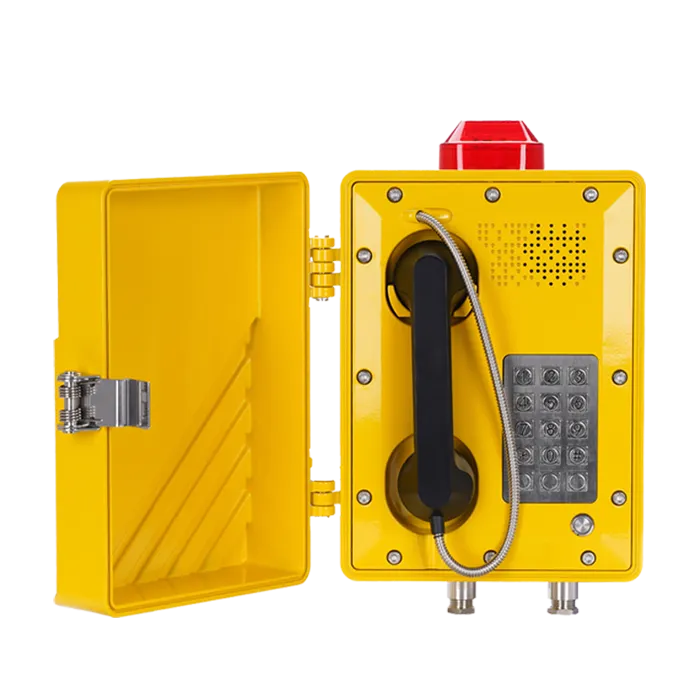
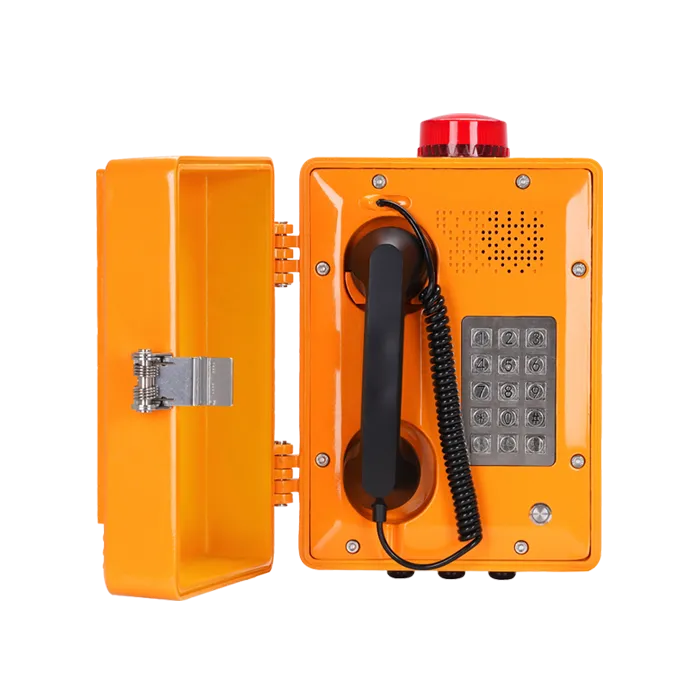
FXS gateways are often used to retain analog endpoints in hospitality, industrial, healthcare, branch office, and emergency communication scenarios.
Common Applications and Benefits
FXS gateways are useful when analog devices still have value, but the main communication platform is moving toward SIP or all-IP architecture. They are especially suitable when replacing every endpoint would be expensive, slow, or unnecessary.
Branch Office Analog Device Retention
Branch offices often keep analog fax machines, lobby phones, warehouse phones, or low-cost handsets. An FXS gateway allows these devices to remain in service while call routing, extension management, voicemail, and recording are handled by a central IP PBX or hosted voice platform.
Hotel, Campus, and Multi-Room Telephony
Hotels, campuses, dormitories, hospitals, and multi-building sites may already have many room phones or corridor phones installed. FXS gateways can connect those analog endpoints to a central SIP platform while keeping the user experience simple.
Industrial and Emergency Communication
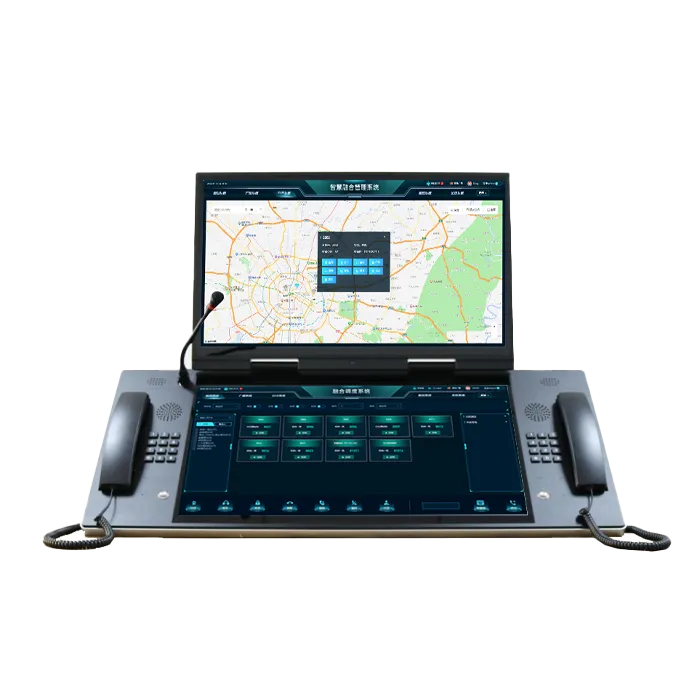
Industrial sites, tunnels, utilities, warehouses, ports, transport hubs, and control rooms may use rugged analog handsets, emergency phones, help points, or hotline stations. An FXS gateway helps bring those endpoints into a wider dispatch, PBX, or unified communications system without changing the field device interface.
Fax Migration
Many organizations still need fax for forms, orders, records, and regulated workflows. Instead of maintaining a separate legacy PBX only for fax machines, an FXS gateway can connect fax devices to the IP voice system. For best results, the fax method, codec, network quality, and SIP platform settings should be validated together.
Paging and Door Entry Integration
Some paging amplifiers, analog door phones, access-control intercoms, and legacy entry systems still use subscriber-style analog interfaces. With an FXS gateway, these devices can be registered or routed through the SIP system and become part of the wider communication workflow.
Main Benefits
Lower migration cost: existing analog endpoints can remain in use while the call-control platform moves to IP.
Less disruption: users can keep familiar devices during a phased upgrade.
Mixed-device flexibility: analog phones, SIP phones, softphones, fax devices, and special terminals can coexist under one routing plan.
Operational continuity: critical analog devices can remain available while the organization modernizes the wider voice network.
Centralized management: call routing, numbering, recording, and extension policies can be handled by the IP PBX or SIP platform.
Deployment Considerations and Selection Checklist
Although an FXS gateway is easy to understand, real deployment still needs planning. The right device is not always the one with the highest port count. It should match the endpoint type, SIP platform, network design, management method, and reliability requirements of the site.
Endpoint Type
Start by listing the devices that need to stay in service. A desk phone, fax machine, hotel room phone, elevator phone, paging adapter, and emergency terminal may all have different electrical, signaling, and reliability requirements.
Port Density and Site Topology
Small sites may only need one or two FXS ports through an ATA-style adapter. Larger sites may need 8-port, 16-port, 24-port, or higher-density gateways. Consider cable layout, equipment room space, rack mounting, power supply, and future expansion before choosing the hardware.
SIP Platform Compatibility
The gateway should be tested with the intended SIP server, IP PBX, softswitch, or hosted voice service. Important items include registration mode, authentication, dial plan behavior, DTMF method, codec policy, caller ID standard, fax method, NAT traversal, and failover behavior.
Network and Security Requirements
For managed or distributed deployments, check whether the gateway supports VLANs, QoS, secure provisioning, configuration backup, event logs, remote firmware upgrades, SIP TLS, SRTP, and centralized monitoring. These details save time when the number of sites or ports grows.
Selection Checklist
Count the endpoints: confirm how many analog devices must remain in service.
Classify the devices: separate phones, fax machines, interphones, paging devices, modems, elevator phones, and emergency terminals.
Check electrical compatibility: review ring load, loop current, impedance, caller ID format, and disconnect supervision.
Validate SIP behavior: test registration, codecs, DTMF, dial plan rules, NAT traversal, and call transfer behavior.
Plan fax carefully: choose T.38 or pass-through based on the SIP platform, fax device, and network conditions.
Review survivability: critical phones may need fallback routing or local call handling during network failure.
Leave room for growth: choose port density and management tools that can support future expansion.
Frequently Asked Questions
What does an FXS gateway do?
It connects analog endpoint devices to a SIP or IP PBX system.
What devices can connect to an FXS gateway?
Analog phones, fax machines, intercoms, room phones, emergency phones, paging interfaces, and some specialty terminals.
Is an FXS gateway the same as an ATA?
An ATA is usually a small FXS adapter. An FXS gateway is a broader category that can include larger multi-port devices.
What is the difference between FXS and FXO?
FXS connects analog endpoints. FXO connects analog lines or PSTN trunks.
Can an FXS gateway support fax?
Yes. Many models support T.38 or G.711 pass-through, but fax reliability depends on the network and SIP platform.
Why use an FXS gateway instead of replacing analog phones?
It reduces replacement cost and supports a phased migration to IP voice.
Can FXS gateways be used in industrial or critical communication projects?
Yes. They are often used for emergency phones, hotline stations, paging devices, and rugged field terminals.
Conclusion: An FXS gateway is a practical bridge between analog endpoints and modern IP voice systems. It helps organizations keep useful analog devices while gaining SIP call control, centralized management, and more flexible voice-network integration.