What Are the Standards, Protection Ratings, and Applications for Zone 21?
Zone 21 dust hazardous areas explained for combustible dust handling sites, covering classification, Ex tb markings, dust groups, surface temperature, IP limits, equipment selection, installation checks and common mistakes.
Becke Telcom
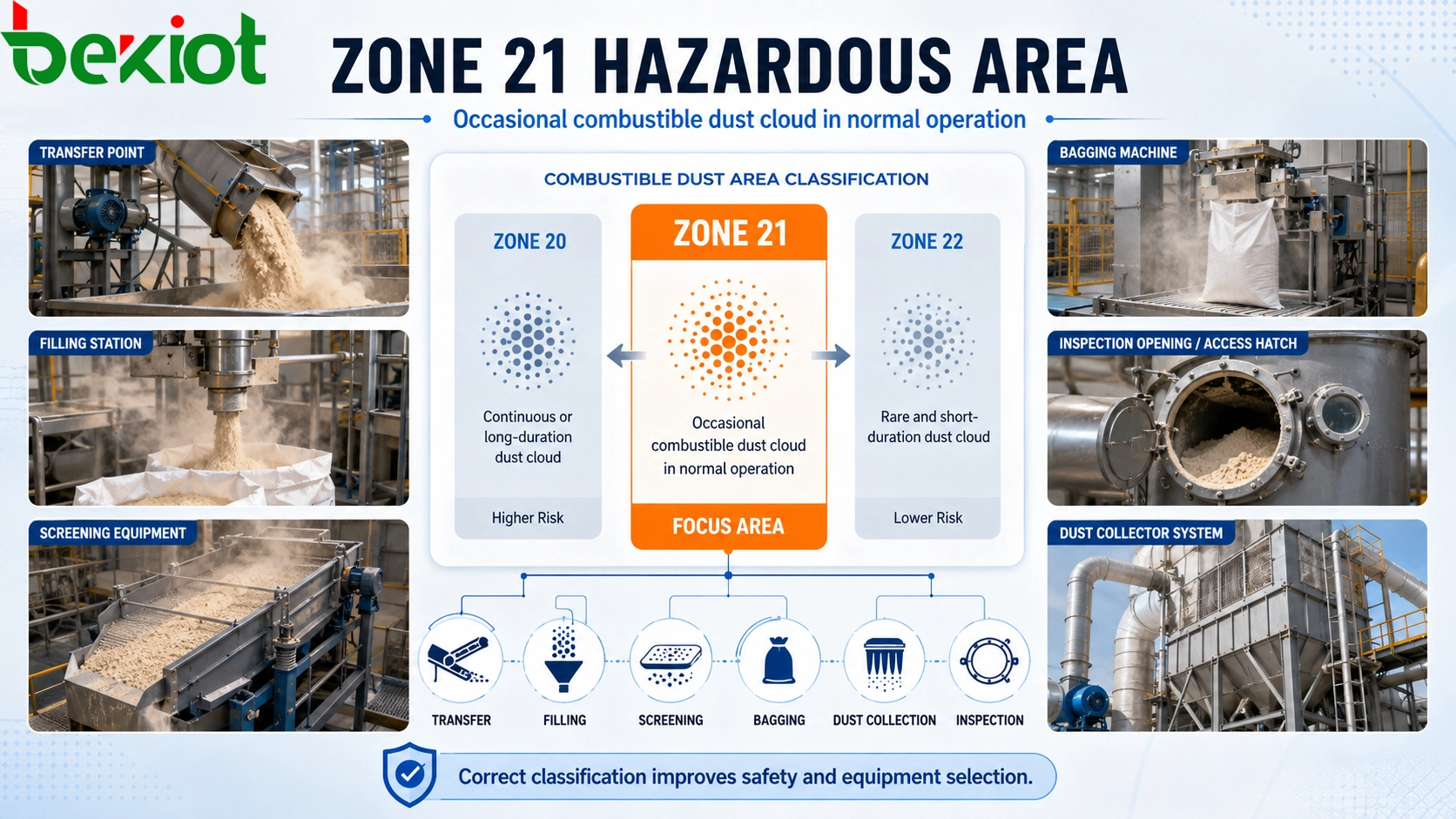
Zone 21 is a hazardous area classification used for locations where a combustible dust cloud is likely to occur occasionally during normal operation. It is commonly found near transfer points, filling stations, screening equipment, bagging machines, inspection openings, dust collectors, and other process areas where powders, fibers, granules, or fine particles may be released into the air.
Compared with Zone 20 and Zone 22, Zone 21 represents an intermediate dust hazard. The explosive dust atmosphere is not present continuously, but it is expected often enough that equipment selection, installation, inspection, housekeeping, and maintenance must be treated as part of the explosion protection strategy.
This is why Zone 21 should not be understood as a simple dustproof label. A device may look rugged, sealed, or industrial, but that does not automatically make it suitable for an explosive dust atmosphere. Engineers need to check the full Ex marking, dust group, maximum surface temperature, equipment protection level, certificate conditions, cable entries, and the actual operating environment.
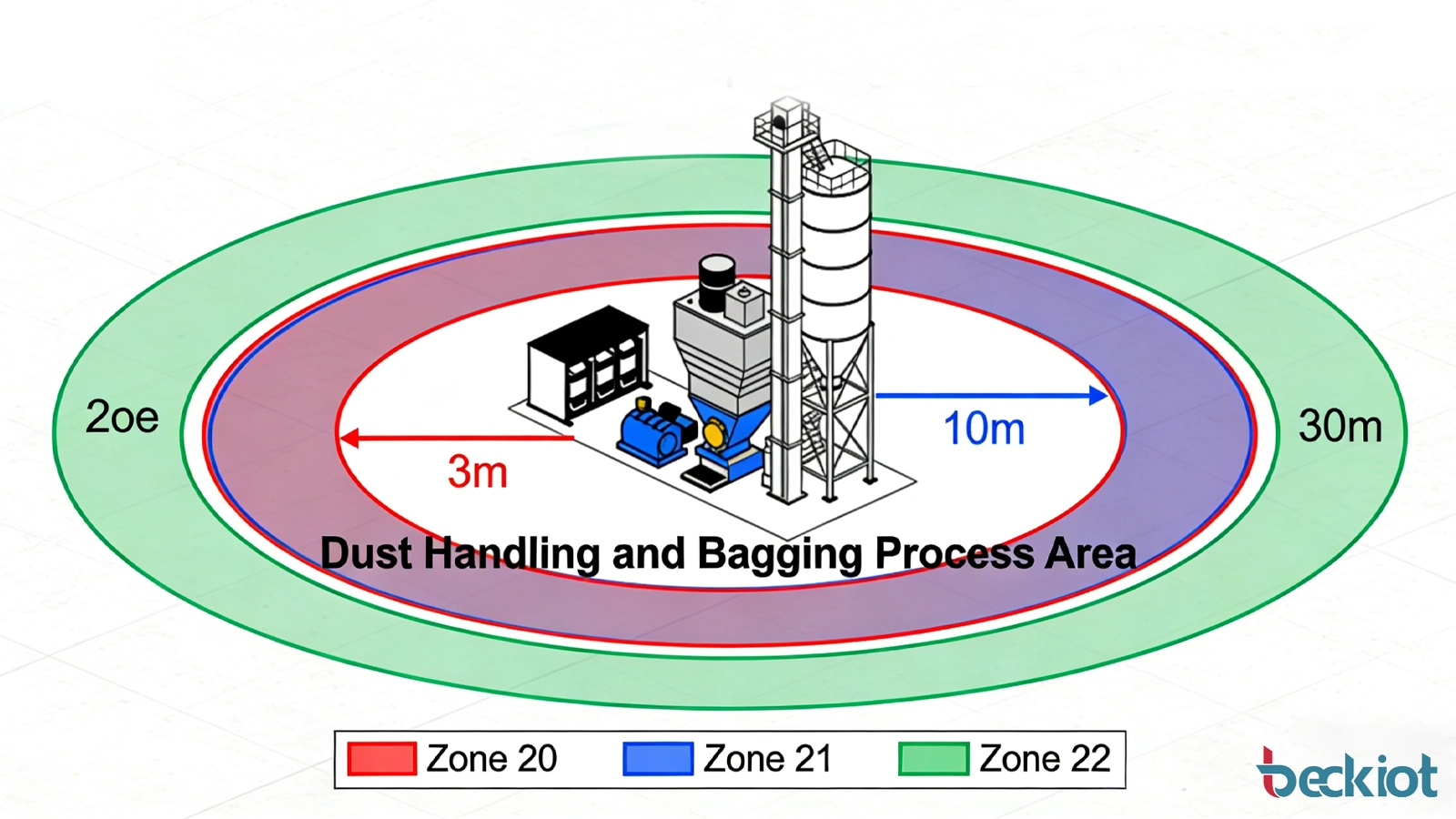
Zone 21 is typically found around process points where combustible dust can be released occasionally during normal operation, such as filling, transfer, screening, or bagging positions.
What Zone 21 Means
A Zone 21 dust hazardous area is a location where a combustible dust cloud is likely to appear from time to time during normal industrial activity. The phrase “normal operation” is important. It does not mean only perfect or fault-free production. It includes regular activities such as filling, emptying, conveying, mixing, screening, milling, packaging, inspection, and routine cleaning.
If these activities can release enough combustible dust to form an ignitable cloud, the surrounding area may need to be classified as Zone 21. The classification is based on the likelihood of a hazardous dust atmosphere, not simply on whether dust is visible on the floor or equipment surface.
Typical Zone 21 locations include bag dump stations, bucket elevator discharge points, conveyor transfer areas, mixers, mills, sifters, cyclones, packaging machines, and access points on dust-handling equipment. In food plants, this may involve flour, sugar, starch, milk powder, cocoa, or feed dust. In wood processing, it may involve sanding, cutting, extraction, or pellet handling dust. In chemical and pharmaceutical plants, fine organic powders, additives, and intermediates may create similar risks.
Some metallic powders can also create explosive dust atmospheres under the right conditions. This matters because conductive dust may require more demanding equipment marking than ordinary non-conductive dust. For this reason, Zone 21 classification should always begin with the dust properties and process behavior, not with a general industry assumption.
How Zone 21 Is Evaluated
Zone 21 classification is normally determined through a dust hazardous area classification study. Engineers review the source of release, the amount of dust that can escape, how easily the dust can disperse, the probability of cloud formation, the effect of ventilation or extraction, and the expected duration of the explosive atmosphere.
Dust layers are also important. Settled dust may not look as immediate as a visible cloud, but it can be lifted into the air by vibration, airflow, mechanical disturbance, maintenance work, or cleaning activity. Dust layers can also insulate hot surfaces and increase ignition risk. A good assessment considers both suspended dust clouds and layer accumulation.
The assessment should reflect how the plant actually operates. A transfer point that releases dust briefly during every batch cycle may still justify Zone 21 classification. A hopper inspection opening that is used frequently during production may also create an occasional but expected release. Good extraction and housekeeping can reduce the size or extent of the hazardous zone, but they do not remove the need for proper classification if combustible dust release remains credible.
Assessment Factor
What Engineers Check
Why It Matters
Dust combustibility
Whether the powder, fiber, granule, or fine particle can ignite when dispersed
Only combustible dust creates a dust explosion hazard
Release source
Filling points, transfer equipment, bagging machines, mixers, mills, and inspection openings
Defines where a dust cloud may form during normal operation
Release frequency
How often dust is released during production, cleaning, loading, or inspection
Helps distinguish Zone 21 from Zone 20 and Zone 22
Ventilation and extraction
Whether dust is removed, diluted, or allowed to accumulate
Affects the extent and persistence of the hazardous area
Dust layers
Surface build-up near hot equipment, cable trays, motors, and enclosures
Dust layers can be re-dispersed or increase thermal ignition risk
Dust group
Whether the dust is combustible flying, non-conductive dust, or conductive dust
Determines the required Group III equipment suitability
Standards and Certification Frameworks
Zone 21 projects are normally guided by recognized hazardous-area standards and certification systems. The exact framework depends on the region, industry, project specification, and approval route, but IEC and ATEX references are commonly used in international dust hazardous area work.
The IEC 60079 series provides a major technical framework. IEC 60079-10-2 is used for the classification of areas where explosive dust atmospheres may occur. It helps determine whether a location should be classified as Zone 20, Zone 21, or Zone 22.
For equipment design and marking, IEC 60079-0 sets general requirements for Ex equipment, while IEC 60079-31 covers protection by enclosure “t” for explosive dust atmospheres. IEC 60079-14 is commonly used for design, selection, and installation of electrical equipment in explosive atmospheres. IEC 60079-17 addresses inspection and maintenance during the equipment lifecycle.
In the European market, ATEX is also important. Directive 1999/92/EC relates to workplace safety and hazardous area classification, while Directive 2014/34/EU covers equipment and protective systems intended for use in potentially explosive atmospheres. Under ATEX, Zone 21 normally requires equipment suitable for Category 2D applications, meaning the equipment must provide a high level of protection for dust hazards.
In practice, these documents are used together. The area classification defines the hazard level. Product standards define how equipment is designed, tested, and marked. Installation and maintenance standards help ensure that the certified protection concept remains valid after the equipment is installed.
How to Read Zone 21 Ex Markings
Equipment used in Zone 21 must be suitable for explosive dust atmospheres. Ordinary industrial dustproof performance is not enough. Engineers need to review the complete Ex marking, protection concept, equipment protection level, dust group, maximum surface temperature, certificate conditions, cable entries, and installation requirements.
Equipment protection level and ATEX category
Zone 21 commonly aligns with Equipment Protection Level Db in the IEC system and Category 2D in the ATEX framework. This indicates equipment intended for locations where an explosive dust atmosphere is likely to occur occasionally during normal operation. The product must provide a high level of protection against ignition in dust hazardous areas.
Protection by enclosure “t”
Many electrical products for dust hazardous areas use protection by enclosure, identified as Ex t. For Zone 21 applications, the marking often appears as Ex tb. This protection concept focuses on limiting dust ingress into the enclosure and controlling surface temperature so that surrounding dust clouds or dust layers are not ignited.
Dust groups IIIA, IIIB, and IIIC
Dust atmospheres are divided into Group III categories. IIIA covers combustible flyings, IIIB covers non-conductive dust, and IIIC covers conductive dust. Conductive dust is generally more demanding from an equipment design perspective.
A product marked for Group IIIC can normally cover less demanding IIIA and IIIB applications, but equipment marked only for IIIA or IIIB should not be assumed suitable for conductive dust. This is especially important in projects involving metallic powders, carbon dust, or other dusts with conductive behavior.
Maximum surface temperature
Temperature control is critical in dust hazardous areas. Equipment markings may include a maximum surface temperature such as T85°C or T120°C. The selected product must remain below the ignition characteristics of the actual dust present, with a suitable engineering margin.
Dust layers require particular attention because they can insulate heat-generating surfaces. A surface that appears acceptable under clean test conditions may become riskier if dust layers are allowed to build up. This is why surface temperature, housekeeping, and inspection routines should be evaluated together.
IP protection and enclosure integrity
IP protection still matters because dust ingress can affect the protection concept, especially for equipment using enclosure protection. In many Zone 21 applications, engineers look for dust-tight enclosures such as IP6X. However, the IP rating should be treated as part of the environmental and enclosure assessment, not as proof of explosion protection by itself.
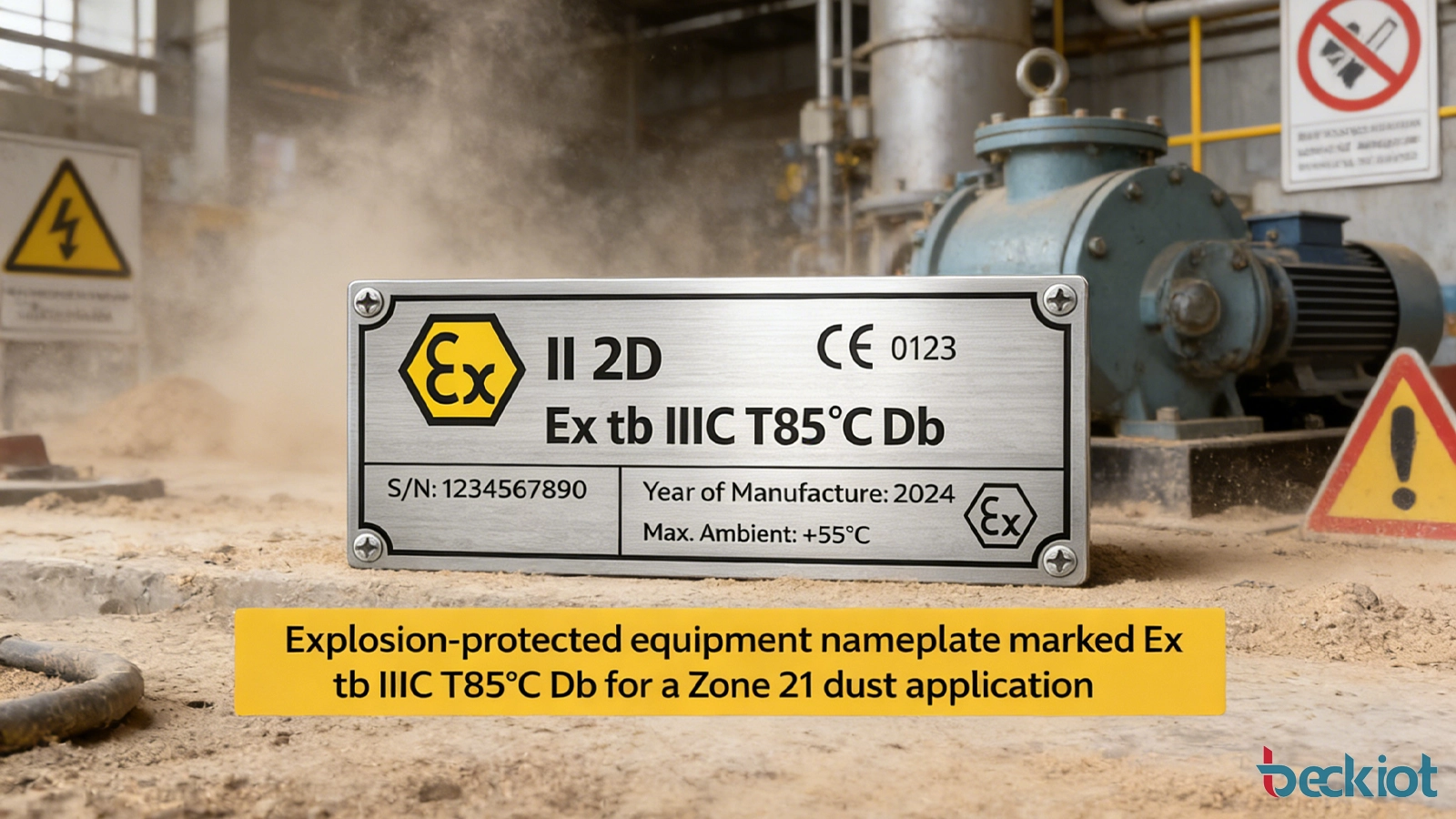
Zone 21 equipment is commonly identified through Ex markings that indicate the protection concept, dust group, maximum surface temperature, and equipment protection level.
What a Typical Zone 21 Marking Shows
A typical marking for a Zone 21 dust application may look like this:
Ex tb IIIC T85°C Db
Ex identifies explosion-protected equipment.
tb indicates protection by enclosure “t” at the required dust protection level.
IIIC identifies suitability for conductive dust, the most demanding Group III dust category.
T85°C states the maximum permitted surface temperature.
Db identifies the equipment protection level commonly associated with Zone 21 use.
This marking must still be checked against the product certificate and installation instructions. The marking gives a compact summary, but the certificate explains the approved conditions, ambient temperature range, cable entry requirements, special conditions of use, and any limitations that affect the installation.
Why IP Rating and Ex Rating Are Different
An IP66 or IP67 enclosure may be suitable for dusty or wet industrial environments, but it is not automatically suitable for Zone 21. The IP code describes protection against ingress of solids and water under defined test conditions. It does not prove that the equipment has been designed, assessed, and certified to avoid ignition in an explosive dust atmosphere.
Ex rating addresses ignition risk. It considers enclosure construction, dust ingress resistance, thermal behavior, materials, surface temperature, fault conditions, marking, certification, and conditions of use. For Zone 21, both IP protection and Ex certification may be required, but they are not interchangeable.
This distinction is one of the most common sources of wrong selection. A weatherproof industrial enclosure may keep dust out under normal industrial conditions, but that does not mean it has been evaluated as explosion-protected equipment. Zone 21 equipment must have the correct Ex design, marking, certification, and installation conditions.
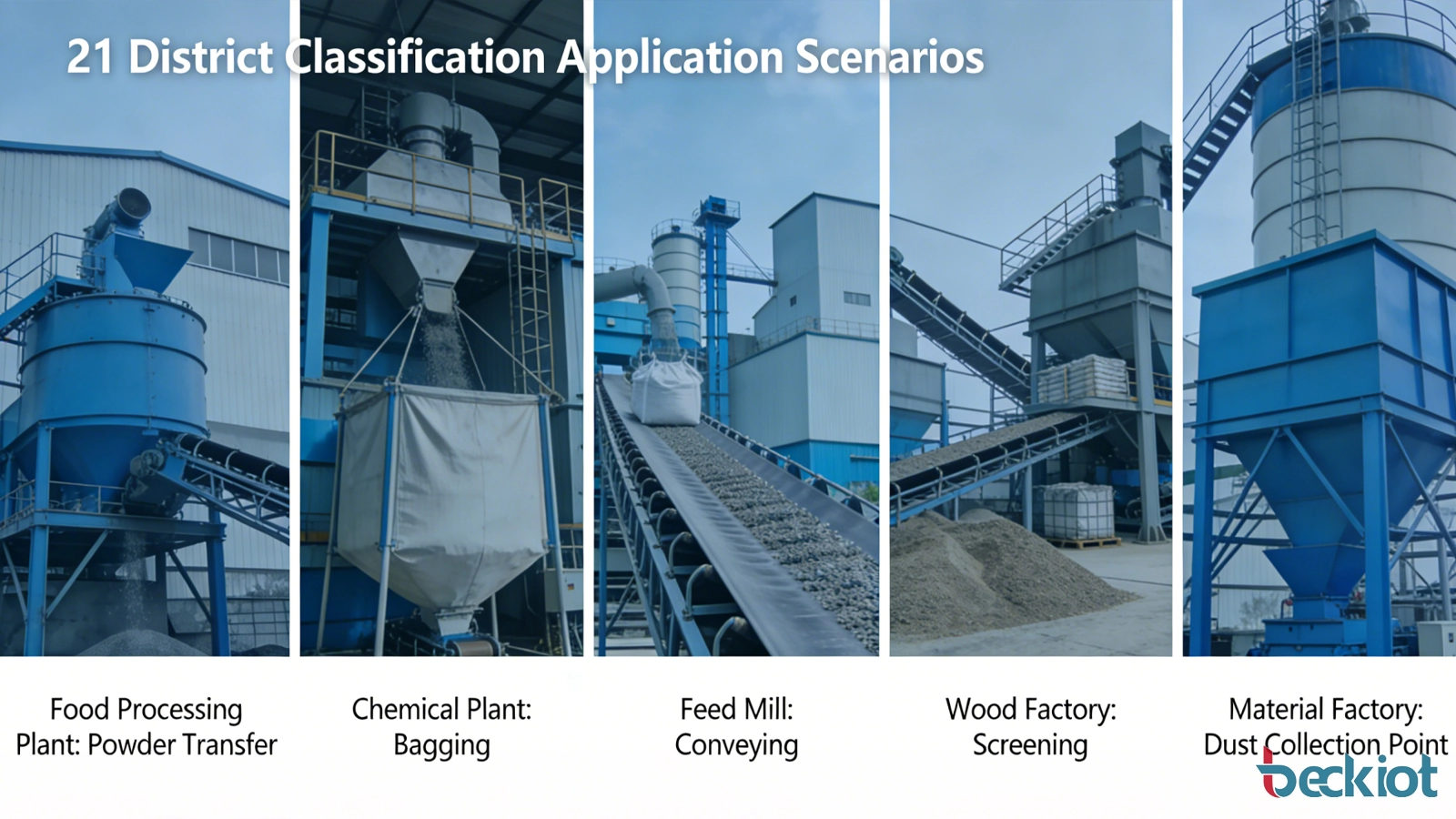
Zone 21 classifications are common around powder transfer, bagging, conveying, screening, and dust collection points in food, chemical, feed, wood, and materials processing plants.
Typical Zone 21 Applications
Zone 21 equipment is used in industries where combustible dust can be released during routine production or material handling. The exact classification should always come from a project-specific assessment, but several sectors commonly include Zone 21 areas.
Food and grain processing
Flour mills, feed mills, sugar handling systems, starch processing lines, cereal transfer points, and milk powder packaging areas can create combustible dust clouds during normal operation. Bagging, conveying, screening, and transfer equipment are common locations for Zone 21 review.
Wood processing
Sawmills, sanding lines, woodworking extraction systems, pellet plants, and panel manufacturing facilities can release combustible wood dust. Dust collection points, extraction ducts, and processing equipment openings may require certified devices depending on the classification result.
Chemical and pharmaceutical production
Fine organic powders, additives, intermediates, and batch material transfer points can create dust explosion risks. In pharmaceutical and fine chemical plants, equipment selection may also need to consider cleanability, washdown, corrosion resistance, and process continuity.
Metals and advanced materials
Selected fine metallic powders, carbon dust, and specialty material handling systems may require more demanding dust group suitability. Conductive dust can influence equipment marking requirements, enclosure design, and installation methods.
Recycling and bulk solids handling
Transfer points, separators, shredding lines, dosing systems, dust collection interfaces, and packaging areas may require Zone 21 equipment when combustible dust release is credible during normal operation.
Typical Equipment Used in Zone 21
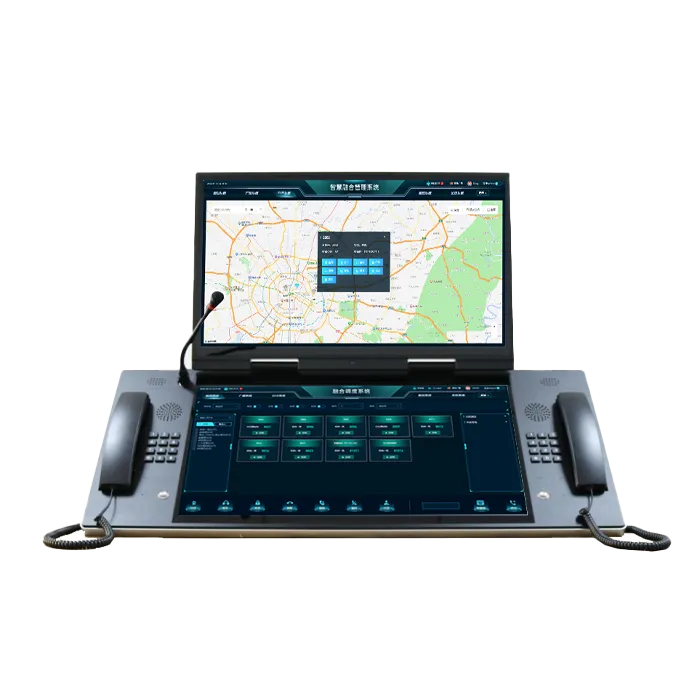
Products used in Zone 21 areas may include much more than lighting and junction boxes. Modern dust-handling sites often require certified communication, alarm, control, monitoring, and field operation equipment.
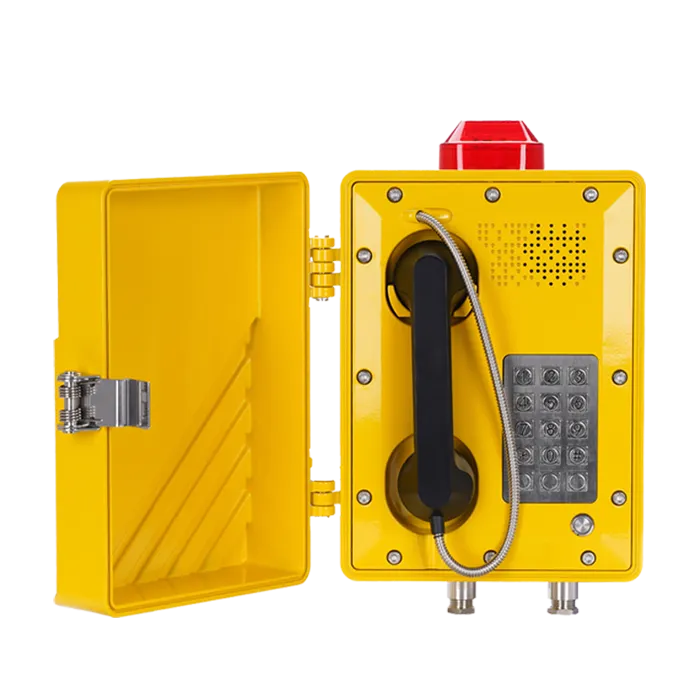
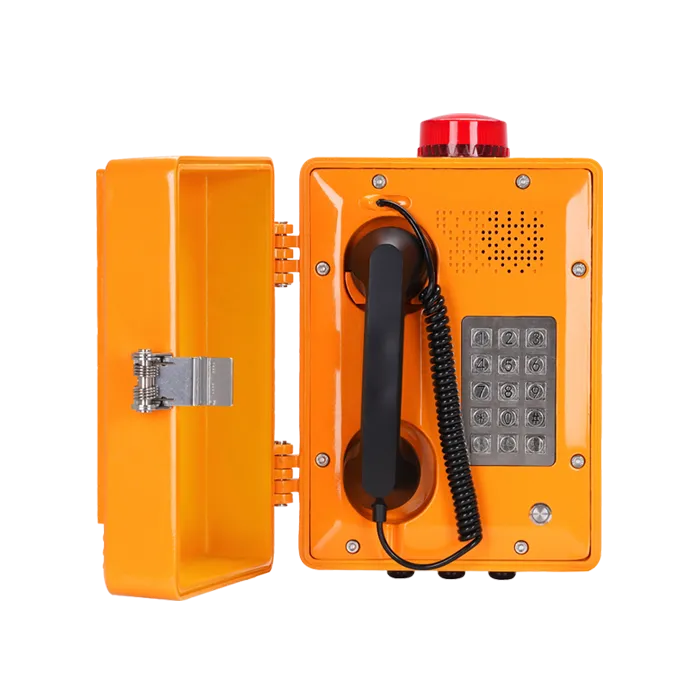
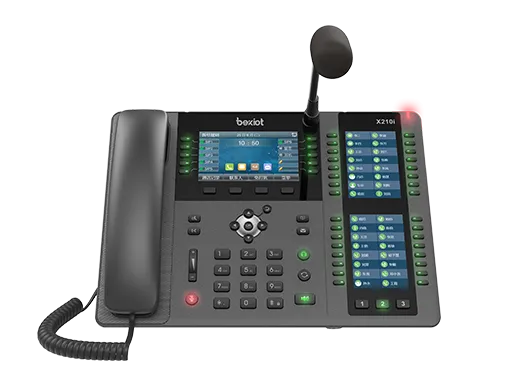
Explosion-protected industrial telephones and intercom stations
Local control stations, push buttons, and emergency stop stations
Junction boxes, terminal boxes, and cable glands
Lighting, beacons, horns, and alarm devices
Loudspeakers for public address and general alarm systems
Sensors, transmitters, motors, and instrumentation devices
Camera housings and monitoring equipment
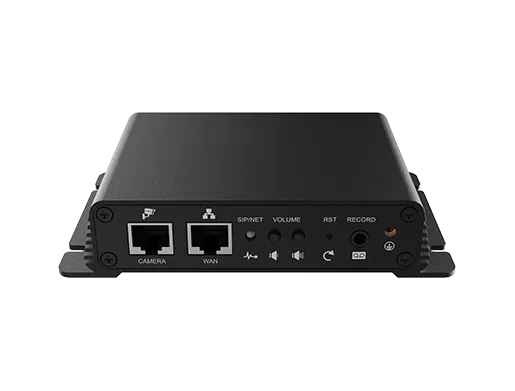
Network or control enclosures used near dust-handling process areas
Each product must be correctly certified, marked, installed, inspected, and maintained for the specific dust hazardous area. A certified field device is only one part of the protection chain. Accessories, cable entries, installation practice, cleaning routines, and inspection records all affect long-term compliance.
Selection and Installation Considerations
Selecting Zone 21 equipment is not only a purchasing decision. The installation must preserve the certified protection concept. Cable glands, blanking plugs, stopping elements, seals, mounting methods, accessories, and maintenance access should all match the certificate and installation instructions.
Engineers should verify the dust properties at the site, including particle behavior, layer formation, ignition characteristics, and conductivity where relevant. A device suitable for one powder handling line may not be suitable for another if the dust group, ignition temperature, surface temperature requirement, cleaning method, or environmental exposure is different.
Dust accumulation around heat-generating equipment should be considered during layout. Equipment that is safe when clean may become more difficult to manage if dust layers accumulate on enclosures, motors, lighting, power supplies, or control cabinets. Housekeeping should therefore be treated as part of the explosion protection plan, not only as a cleanliness issue.
Maintenance is also part of compliance. If a certified enclosure is opened incorrectly, repaired with non-approved parts, fitted with incompatible glands, or covered by dust layers for long periods, the original protection concept may no longer be reliable. Inspection and maintenance procedures should be defined before the system is put into service.
Selection Point
What to Check
Why It Matters
Area classification
Confirm whether the location is Zone 21, not Zone 20 or Zone 22
Defines the required equipment protection level
Dust group
Check whether the dust is IIIA, IIIB, or IIIC
Conductive dust may require more demanding equipment suitability
Surface temperature
Compare equipment temperature marking with dust ignition characteristics
Prevents ignition from hot surfaces and dust layers
Ex marking
Review Ex tb, Db, dust group, and full certificate details
Confirms the protection concept and approved conditions
Ingress protection
Check dust-tight enclosure performance where required
Supports the enclosure protection concept and reliability
Accessories
Verify cable glands, plugs, seals, and entries
Incorrect accessories can break compliance
Housekeeping
Control dust layer build-up around equipment
Dust layers can create re-dispersion and thermal risks
Common Mistakes and Better Fixes
Mistake
Typical Risk
Better Fix
Assuming ordinary dustproof equipment is suitable for Zone 21
The device may not be certified for explosive dust atmospheres
Check the Ex marking, certificate, EPL, dust group, and temperature limit
Selecting equipment by IP rating alone
IP protection does not prove ignition protection
Use IP rating as an enclosure factor, not as a substitute for Ex certification
Ignoring conductive dust
Equipment suitable for IIIB may not be acceptable for IIIC dust
Confirm the dust group before selecting the product
Forgetting dust layer build-up
Dust can insulate hot surfaces or become re-dispersed into the air
Include housekeeping, inspection, and surface temperature review in the design
Using incompatible cable glands or plugs
The certified enclosure protection concept may be compromised
Use accessories that match the certificate and installation instructions
Treating classification as paperwork only
The real release behavior of the process may be missed
Base classification on actual process operation, dust release, and accumulation risk
How to Judge Whether the Selection Is Correct
A correct Zone 21 equipment selection should begin with the hazardous area classification study. The engineer should confirm that the location is truly Zone 21 and that the dust is combustible, dispersible, and credible as a release source during normal operation.
The second check is the product marking. The equipment should carry a dust-suitable Ex protection concept, the correct Equipment Protection Level, the correct dust group, and an appropriate maximum surface temperature. These details must match the dust properties and the site classification.
The third check is installation compatibility. Cable glands, blanking plugs, seals, mounting methods, accessories, and cable entries should preserve the certified protection concept. A correctly marked device can still become non-compliant if installed with unsuitable accessories or modified in the field.
The final check is lifecycle management. Zone 21 protection depends on inspection, cleaning, maintenance, and continued control of dust layers. If the equipment is not kept in the condition assumed by its certification and installation instructions, the original selection may no longer provide reliable protection.
Final View
Zone 21 applies to areas where combustible dust clouds can occur occasionally during normal operation. It is commonly found around powder transfer, filling, screening, bagging, conveying, dust collection, and bulk material handling processes. The classification is based on process release behavior, dust properties, ventilation, housekeeping, and the likelihood of cloud formation.
Correct equipment selection requires more than a rugged enclosure or a high IP rating. Engineers must review Ex marking, protection concept, Equipment Protection Level, dust group, maximum surface temperature, enclosure integrity, certificate conditions, accessories, installation method, and maintenance practice.
When these factors are evaluated together, Zone 21 protection becomes a clear engineering process rather than a guess based on appearance or generic dustproof claims. The goal is to prevent ignition, maintain reliable operation, and keep the installed equipment compliant throughout its service life.
FAQ
Is Zone 21 more dangerous than Zone 22?
Yes. Zone 21 means an explosive dust atmosphere is likely to occur occasionally during normal operation. Zone 22 means it is not likely during normal operation and, if it does occur, is expected to last only for a short time.
What type of equipment is typically used in Zone 21?
Zone 21 equipment is usually marked with a dust-suitable Ex protection concept, such as Ex tb, and an Equipment Protection Level such as Db. The final selection depends on the dust group, maximum surface temperature, enclosure design, certificate conditions, and installation environment.
Is IP65 enough for Zone 21?
No. IP65 may indicate a level of dust and water ingress protection, but it does not prove suitability for explosive dust atmospheres. Zone 21 equipment must have the correct Ex design, marking, certification, and installation conditions.
What is the difference between Zone 20 and Zone 21?
Zone 20 applies where an explosive dust atmosphere is present continuously, for long periods, or frequently. Zone 21 applies where an explosive dust atmosphere is likely to occur occasionally during normal operation.
Can dust layers be hazardous without a visible dust cloud?
Yes. Dust layers can be disturbed and dispersed into the air, creating a dust cloud. They can also insulate hot surfaces and increase ignition risk. This is why housekeeping, surface temperature control, and inspection routines are important in dust hazardous areas.
Does Zone 21 only apply indoors?
No. Although many dust hazardous areas are indoors, Zone 21 can also exist outdoors where combustible dust is released, settles, and can be dispersed during normal operating conditions.